Using Coconut Oil for Gastritis
When you buy through links on our site, we may earn an affiliate commission at no additional cost to you (learn more)
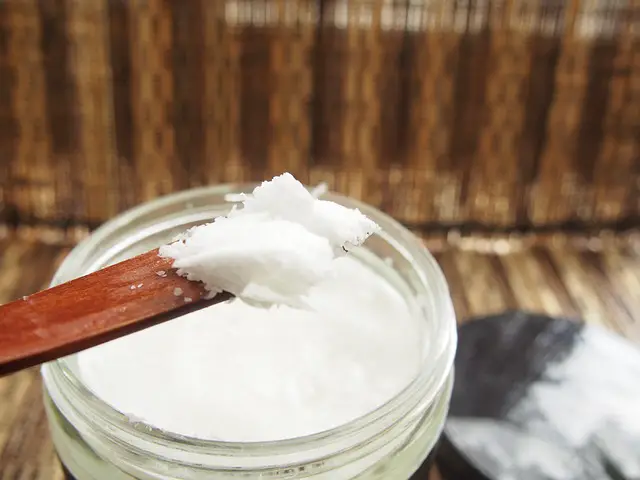
Coconut oil is a common cooking fat that also has been used in traditional medicine for many years. It contains medium-chain fatty acids, such as lauric acid, that studies suggest have antimicrobial and anti-inflammatory properties. This post explains how coconut oil might help with gastritis, how to use it safely, and what the science says.
What is Gastritis?
Gastritis means inflammation of the stomach lining. When the lining is irritated, people may feel burning, pain, nausea, or fullness after eating. Causes include infection with Helicobacter pylori bacteria, regular use of nonsteroidal anti-inflammatory drugs (NSAIDs), alcohol, and stress from illness.
- Common causes: H. pylori infection, NSAIDs, excess alcohol, and age-related thinning of the stomach lining.
- Common symptoms: upper abdominal pain, nausea, vomiting, belching, loss of appetite, and feeling full quickly.
How Coconut Oil Might Help
Coconut oil contains medium-chain triglycerides (MCTs). MCTs are fats that the body absorbs and uses differently from long-chain fats. Some studies suggest MCTs can have mild antimicrobial effects and may be easier to digest for some people.
Lauric acid, a component of coconut oil, is converted in the body to a compound called monolaurin. Lab studies show monolaurin can reduce the growth of certain bacteria and fungi. This is why people say coconut oil has “antimicrobial” properties. However, most evidence comes from test-tube or animal studies, not large human trials for gastritis.
Coconut oil also has anti-inflammatory effects in some laboratory and animal studies. Reducing inflammation could theoretically help the irritated stomach lining heal faster. Still, clinical research directly showing coconut oil treats gastritis in humans is limited.
Practical Ways to Add Coconut Oil
If you want to try coconut oil for mild digestive symptoms, start slowly and watch how your body responds. Use small amounts first to see if it causes bloating or diarrhea.
- Cooking: Use 1 teaspoon to 1 tablespoon for sautéing or baking in place of other fats.
- In drinks: Add 1 teaspoon to coffee or smoothies as a creamer replacement.
- Toppings: Stir into oatmeal or yogurt, or melt on popcorn instead of butter.
For most adults, 1–2 tablespoons per day is a reasonable starting point. Do not exceed your daily calorie needs; coconut oil is calorie-dense like other fats.
Safety and Precautions
Coconut oil is high in saturated fat. While it contains MCTs, it still raises calorie and saturated fat intake. Current dietary guidelines recommend limiting saturated fat to lower heart disease risk. Talk with your healthcare provider if you have high cholesterol, heart disease, or other risk factors.
If your gastritis symptoms are severe or persistent, see a doctor. Gastritis from H. pylori infection or serious stomach bleeding needs medical treatment, not just dietary changes.
- Stop NSAIDs and alcohol if they may be causing symptoms, after checking with your doctor.
- Watch for side effects: some people experience diarrhea, stomach cramps, or nausea when they first try coconut oil.
- If you are allergic to coconuts, do not use coconut oil.
What the Science and Experts Say
Laboratory studies suggest components of coconut oil have antimicrobial and anti-inflammatory effects. Small human studies and clinical trials are limited, so we cannot conclusively say coconut oil cures gastritis. Studies suggest it may support gut health in some people, but more research is needed.
Standard medical treatment for gastritis depends on the cause. For H. pylori infection, doctors use antibiotics. For NSAID-related gastritis, stopping the drug and giving acid-reducing medication helps. Coconut oil can be a complementary dietary choice but should not replace prescribed treatments.
Tips for Using Coconut Oil Wisely
- Use extra-virgin or unrefined coconut oil to avoid added processing and chemicals.
- Start with small amounts (1 teaspoon) and increase slowly if tolerated.
- Combine with an overall gut-friendly diet: avoid spicy foods, reduce alcohol, and eat regular, balanced meals.
- Keep other internal and external links intact for more resources, such as our guide on essential oils for gastritis.
Our Recommended Coconut Oil
Viva coconut oil is made from organic, non-GMO coconuts and can be used for cooking and skin care. It is sustainably harvested without harsh chemicals.