Using Aloe for Diaper Rash

When you buy through links on our site, we may earn an affiliate commission at no additional cost to you (learn more)
Diaper rash is a common skin irritation on a baby’s bottom that causes redness, soreness, and discomfort. It most often appears when skin is exposed to prolonged moisture from urine or stool, friction from diapers, or irritation from new foods, detergents, or skincare products.
Many parents look for safe, gentle options to soothe this irritation. Aloe vera is one plant-based option people try because it contains compounds with anti-inflammatory and moisturizing properties. Studies suggest components such as polysaccharides, antioxidants, and plant sterols can calm irritated skin and support barrier repair.
How Aloe Vera May Help
Aloe vera gel is mostly water but includes bioactive compounds that can affect skin. Polysaccharides are long-chain sugars that help hydrate skin and support repair of the skin barrier. Antioxidants and vitamins, including vitamins C and E, protect skin cells from further damage and help healing.
Plant sterols and other anti-inflammatory molecules in aloe are known for reducing redness and swelling in mild irritation. These properties do not cure the underlying cause of a diaper rash, but they can reduce burning and help the skin feel more comfortable while it recovers.
Safe Ways to Use Aloe for Diaper Rash
Use aloe carefully and follow gentle skin-care principles. Start by cleaning the area with plain warm water and a soft cloth, then pat the skin dry. Avoid vigorous rubbing, which can worsen irritation.
- Choose a pure aloe vera gel or plant-extracted gel with few additives. Products labeled for sensitive skin are preferable. Aloe vera product if you prefer a ready-made option.
- If using a commercial product, check the ingredient list for fragrances, alcohol, or harsh preservatives; these can irritate baby skin.
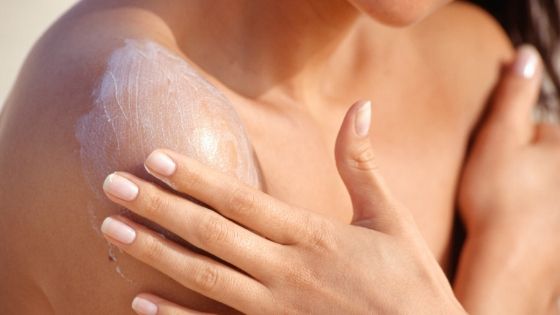
- Apply a thin layer of gel to intact, mildly irritated skin once or twice daily. A thin layer reduces the chance of trapping moisture under the diaper.
- Change diapers frequently and allow short diaper-free periods so the skin can breathe.
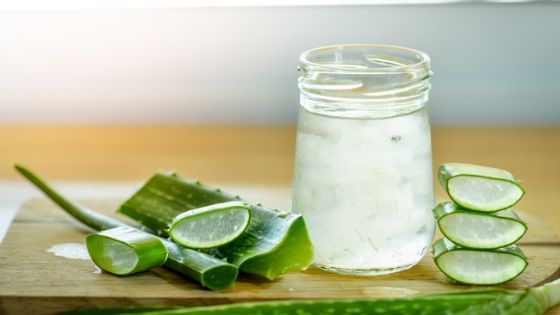
If you make gel from a fresh aloe leaf, remove the outer leaf skin and wash the inner gel thoroughly to remove any yellow latex. The latex is a sticky yellow substance beneath the leaf skin that can irritate sensitive skin.
Steps to prepare fresh aloe gel:
- Cut a mature aloe leaf near the base and rinse it under running water.
- Slice away the flat outer skin and scoop out the clear inner gel with a spoon.
- Rinse the gel pieces under cool water to remove residual latex and then blend to a smooth consistency.
- Store in a clean container in the refrigerator and use within a few days.
When Aloe Is a Good Choice
Aloe can be helpful for mild irritation caused by chafing, prolonged wetness, or minor contact irritation. It is most appropriate when the skin is intact and the rash looks like simple redness and mild soreness without open sores.
Small studies and clinical reports suggest aloe may shorten healing time and reduce discomfort compared with no treatment in some types of mild skin irritation. Because it is generally non-greasy and well tolerated, many caregivers prefer it for short-term symptom relief.
When NOT to Use Aloe (Red Flags)
Do not rely on aloe as the only treatment if any of the following are present, since these signs suggest infection or a more serious condition:
- Open, oozing sores or bleeding skin.
- Large blisters or rapidly worsening swelling.
- Fever, unusual sleepiness, or other signs of systemic illness.
- Signs of infection such as pus, spreading redness, warmth, or increased pain.
- A rash that does not begin to improve after 48 to 72 hours of consistent care.
Yeast (Candida) infections are a common cause of persistent diaper rash. In those cases, antifungal creams recommended by a pediatrician are usually more effective than aloe alone.
Tips to Prevent Diaper Rash
- Change diapers promptly after they become wet or soiled.
- Use a barrier ointment with zinc oxide at bedtime or during long stretches between changes.
- Avoid wipes or soaps with alcohol or strong fragrances that can strip natural oils.
- Allow short diaper-free periods during the day to let skin air out.
- When introducing new foods, watch for changes in stool consistency or frequency that may increase irritation.
Safety Precautions and Patch Testing
Always patch-test any new product on a small area of the baby’s skin, for example the inner forearm, and wait 24 hours to check for redness or irritation. If any redness or swelling appears, stop using the product.
Choose commercial aloe products that list few ingredients and are marked for sensitive skin. Avoid products high in alcohol, fragrances, or harsh preservatives. If you use fresh gel, avoid the yellow latex and rinse well.
If your family has a history of plant allergies or contact dermatitis, discuss use of aloe with your pediatrician before applying it to larger areas.
When to See a Pediatrician
Contact your pediatrician if the rash is severe, spreading, or accompanied by fever. Seek medical advice if you suspect a yeast infection, allergic reaction, or if the rash persists despite consistent care for 48 to 72 hours.
Your pediatrician can recommend targeted treatments such as topical antifungals, mild steroid creams in select cases, or testing for food-related causes when appropriate.
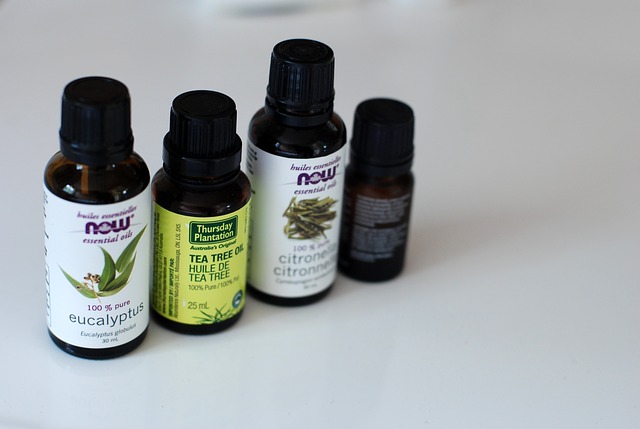
For more gentle baby care tips, see this related post: Essential Oils for Stuffy Nose Baby.
Summary
Aloe vera can be a useful, gentle option to soothe mild diaper rash when the skin is intact. It offers hydration and mild anti-inflammatory effects that may ease redness and discomfort.
Use pure, low-additive products or properly cleaned fresh gel, apply sparingly, and monitor the skin closely. Do not use aloe for open sores or if infection is suspected, and contact a pediatrician for worsening or persistent rashes.