When you buy through links on our site, we may earn an affiliate commission at no additional cost to you (learn more)
Hair loss has many causes: genetics, hormonal changes, inflammation, nutritional gaps, certain illnesses, and stress. Turmeric is a root related to ginger that contains curcumin, a compound known for antioxidant and anti-inflammatory effects. These properties make turmeric an ingredient of interest when people look for natural ways to support scalp and hair health.
Below we summarize what studies suggest, how turmeric might help, safe ways to use it, and practical tips you can try. This is not medical advice. If you have significant hair loss or a medical condition, consult your healthcare provider.
How turmeric and curcumin may affect hair
Curcumin is the main active compound in turmeric. Studies suggest it can reduce inflammation and oxidative stress, two processes that can damage hair follicles over time. Less inflammation around the scalp may help hair follicles remain healthy and support normal hair growth cycles.
Lab and animal studies have also shown that curcumin can influence signaling pathways involved in hair growth. For example, curcumin has been reported to activate certain proteins involved in the hair growth cycle in experimental models. These findings are promising but do not prove the same effects occur in people.
What the research says
Human research specifically testing turmeric or curcumin for hair loss is limited. Most evidence comes from laboratory and animal studies or small clinical reports looking at related conditions, such as inflammatory scalp disorders.
Studies suggest curcumin has antioxidant and anti-inflammatory effects that could protect scalp tissue from damage caused by free radicals and chronic inflammation.
Some experimental studies report that curcumin can activate proteins involved in hair follicle cycling, which could support hair regrowth in certain contexts.
There is preliminary evidence that topical and oral anti-inflammatory agents can improve hair outcomes for people whose hair loss is driven by inflammation or scalp disease.
Because high-quality clinical trials on turmeric for hair growth are lacking, turmeric should be considered a supportive option rather than a proven treatment for pattern hair loss or other major causes.
Practical ways to use turmeric for scalp and hair health
You can use turmeric in several forms. Each has pros and cons for safety, absorption, and convenience.
Diet: Adding turmeric to food is safe for most people and provides general antioxidant support. Curcumin content in food is low compared with supplements, but regular culinary use contributes to overall health.
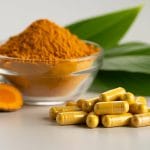
Supplements: Curcumin supplements contain higher, more standardized amounts. Look for formulas that improve curcumin absorption, such as those that include piperine (black pepper extract) or are formulated as phytosome complexes.
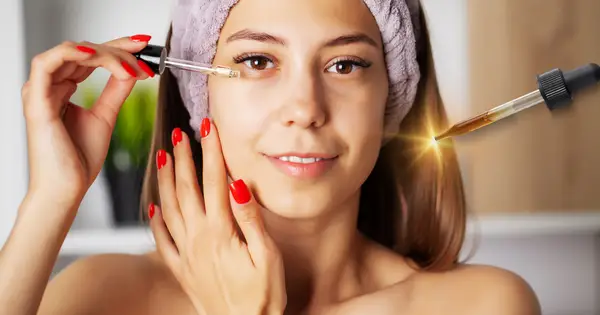
Topical applications: Some people use turmeric in hair masks or scalp treatments. Topical formulations could deliver curcumin directly to the scalp, but commercial topical products vary in quality and concentration.
Suggested approaches and pro tips
Consider these practical tips if you want to try turmeric as a supportive measure:
If using supplements, choose a high-quality product with standardized curcumin and an absorption enhancer. Typical supplement doses in studies range from 500 mg to 2,000 mg of curcumin per day for general anti-inflammatory use, but follow package directions and medical advice.
When adding turmeric to topical masks, mix with a carrier oil (like coconut or jojoba) to protect the scalp and help spread the paste. Do a patch test first to check for staining or irritation.
Combine turmeric use with evidence-based hair-loss strategies: maintain a balanced diet with adequate protein, iron, vitamin D, and biotin when needed; manage stress; avoid tight hairstyles that pull on follicles; and follow medical treatments if you have androgenetic alopecia (pattern hair loss).
Turmeric and curcumin are safe for most people when used in culinary amounts. Supplements and concentrated topical use carry more risk of side effects.
Oral supplements can cause digestive upset in some people and may interact with blood thinners, diabetes medications, and drugs processed by the liver. If you take prescription medicines, check with your healthcare provider before starting curcumin supplements.
Topical turmeric can stain skin, fabrics, and hair temporarily. It can also cause contact irritation or allergic reactions in sensitive individuals. Test a small skin area first and avoid leaving intense pastes on the scalp for long periods.
High doses are not recommended during pregnancy and breastfeeding without medical supervision.
When to seek professional help
See a dermatologist or healthcare provider if you experience sudden, rapid, or large-scale hair loss, scarring on the scalp, signs of infection (pain, pus), or if your hair loss affects your mental health.
A clinician can diagnose the type of hair loss and recommend proven treatments such as topical minoxidil, oral finasteride (for eligible people), corticosteroid injections for certain inflammatory conditions, or other therapies based on the underlying cause.
Overview
Turmeric contains curcumin, which has antioxidant and anti-inflammatory properties that may support scalp health. Laboratory studies suggest mechanisms by which curcumin could influence hair follicle activity, but strong clinical evidence in humans is limited.
Using turmeric in food is safe and may offer general health benefits. Curcumin supplements and topical products are options for targeted support, but they should be used cautiously and in consultation with a healthcare professional when you have medical conditions or take medications.
In short, turmeric can be part of a broader, science-informed approach to hair health, but it should not replace proven medical therapies for significant or progressive hair loss.