Essential Oils for Gastritis

When you buy through links on our site, we may earn an affiliate commission at no additional cost to you (learn more)
Calming the pain, burning, and intestinal distress of gastritis doesn’t always require a trip to the pharmacy. For many people, a few carefully chosen essential oils can help ease symptoms alongside conventional care.
What is Gastritis?
Gastritis means inflammation of the stomach lining. It can come on quickly (acute) or slowly over time (chronic). Common causes include infection with Helicobacter pylori (H. pylori), regular use of pain relievers, excess alcohol, or prolonged stress.
When the stomach’s protective mucus is damaged, stomach acid can irritate the tissue and cause pain, nausea, bloating, indigestion, and heartburn. Left untreated, chronic gastritis can lead to ulcers or raise the risk of stomach cancer, so it’s important to manage symptoms and get medical advice when needed.
Treating Gastritis with Essential Oils
Essential oils are concentrated plant extracts. Some have antibacterial or anti-inflammatory compounds that studies suggest may help reduce stomach inflammation or act against H. pylori when used safely and appropriately.
Below are oils commonly used to support digestive comfort. Each entry links to product options used by readers.
Peppermint Essential Oil
Peppermint contains menthol, which can relax digestive muscles and reduce spasms that cause pain. Studies show peppermint oil can ease nausea and some types of indigestion.
Use diluted topically over the abdomen or add 1 drop to warm tea (only use food-grade oils). Avoid peppermint if you have severe acid reflux, as it can relax the lower esophageal sphincter and worsen heartburn.
Lemongrass Essential Oil
Lemongrass has compounds with antibacterial and antifungal actions. Some research suggests it can inhibit growth of bacteria similar to H. pylori in lab tests.
Dilute for topical massage or use aromatically. Do not rely on it alone to treat confirmed infections—see a clinician for testing and antibiotics when needed.
Cinnamon Bark Essential Oil
Cinnamon bark contains eugenol and cinnamaldehyde, which have anti-inflammatory and antimicrobial effects in studies. Lab work has found cinnamon compounds may help heal or protect stomach tissue.
Cinnamon oil is potent and can irritate skin, so always dilute. It pairs well with milder oils like chamomile for aromatic blends.
Ginger Essential Oil
Ginger is widely studied for digestive support. Trials suggest ginger can reduce nausea and has antibacterial and anti-inflammatory properties that may be helpful for gastritis symptoms.
Ginger can be taken in tea, used aromatically, or applied topically after dilution.
Clove Essential Oil
Clove oil is known for strong antibacterial and anti-inflammatory compounds. It may reduce bloating and help control bacteria in the gut in laboratory studies.
Because clove is strong, use small diluted amounts and avoid internal use unless guided by a trained practitioner.
Carrot Seed Oil
Carrot seed oil is a lesser-known option with antioxidant and mild antibacterial properties. It can support digestion and may help with gas or sluggish bowels.
Use diluted topically or in aromatic blends.
Roman Chamomile Essential Oil
Chamomile is gentle and calming. Its anti-inflammatory effects may ease stomach pain and reduce stress-related digestive upset. Chamomile tea is commonly used; the essential oil is more concentrated and should be diluted.
How to Use Essential Oils for Gastritis
Safe application matters. Choose a method that fits your symptoms and always prioritize dilution and quality.
Common methods:
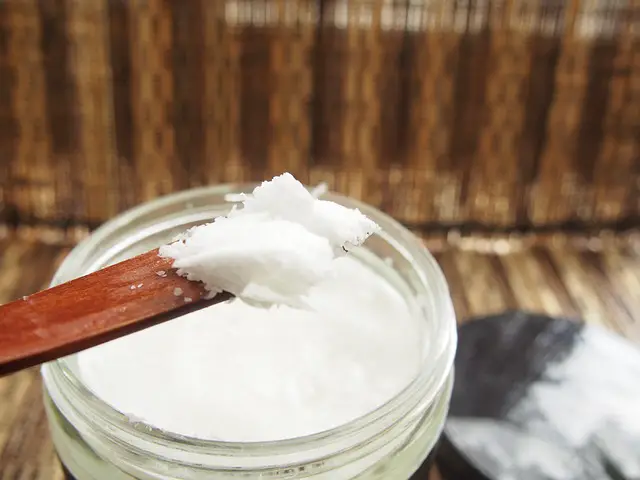
- Dilution with carrier oils: Mix 2–3 drops of essential oil with 1 tablespoon of coconut, olive, or almond oil for abdominal massage.
- Internal use in tea or water: Only use oils labeled food-grade. Add 1 drop to warm tea or water and stir well. Consult a clinician before ingesting oils.
- Topical abdominal massage: Apply diluted oil in gentle circular motions over the stomach 1–3 times daily for relief.
- Aromatic diffusion: Diffuse calming oils like chamomile or peppermint to reduce stress that can trigger or worsen gastritis.
- Capsule method: Some people place 1–2 drops in an empty gelatin capsule and take with food. Do this only after professional guidance.
Best Practices
Combine essential oils with lifestyle changes for better, faster results.
- Start with one oil at a time for 1–2 weeks to track effects and avoid confusion about what helps or harms.
- Use consistently for 2–4 weeks; healing takes time and repeated exposure to anti-inflammatory compounds.
- Avoid triggers such as alcohol, caffeine, spicy foods, and NSAID overuse while treating gastritis.
- Keep a symptom journal to note which oils help, timing of flare-ups, and any side effects.
- For confirmed H. pylori infection, use essential oils only as supportive care alongside medical treatment—not as a replacement.
Safety Considerations
Essential oils are concentrated and can cause harm if misused. Follow basic safety rules.
- Always dilute essential oils before topical use to prevent irritation.
- Perform a 24-hour patch test on a small skin area before broader application.
- Pregnant or nursing people should check with their healthcare provider before using essential oils.
- Children under 6 should not use most essential oils without medical advice.
- Some oils interact with medications, including blood thinners and acid-reducing drugs. Tell your clinician if you plan to use oils.
- If symptoms persist or worsen after 2 weeks, stop use and seek medical evaluation to rule out ulcers or other serious conditions.
- Stay well hydrated; water supports digestion and recovery.
Quick Summary
Some essential oils have anti-inflammatory and antibacterial properties that may ease gastritis symptoms when used safely. Peppermint, ginger, chamomile, lemongrass, cinnamon, clove, and carrot seed are commonly used options.
Use oils as supportive care: dilute, start one at a time, avoid known dietary triggers, and consult a healthcare professional—especially if you have severe symptoms or a confirmed H. pylori infection.
Bartels, E. M., et al. (2015) Meta-analysis: ginger efficacy and safety.
Bergonzelli, G. E., et al. (2003) Essential oils and Helicobacter infection.