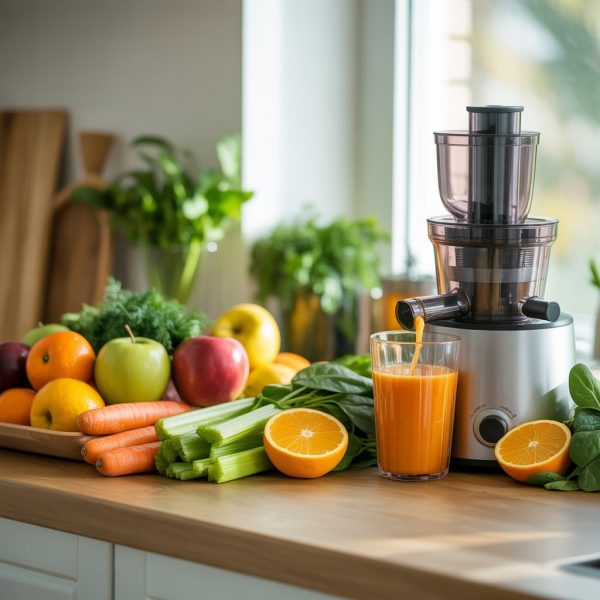
Morning Juicing Recipes to Energize Your Day and Boost Your Health
Table of Contents
When you buy through links on our site, we may earn an affiliate commission at no additional cost to you (learn more)
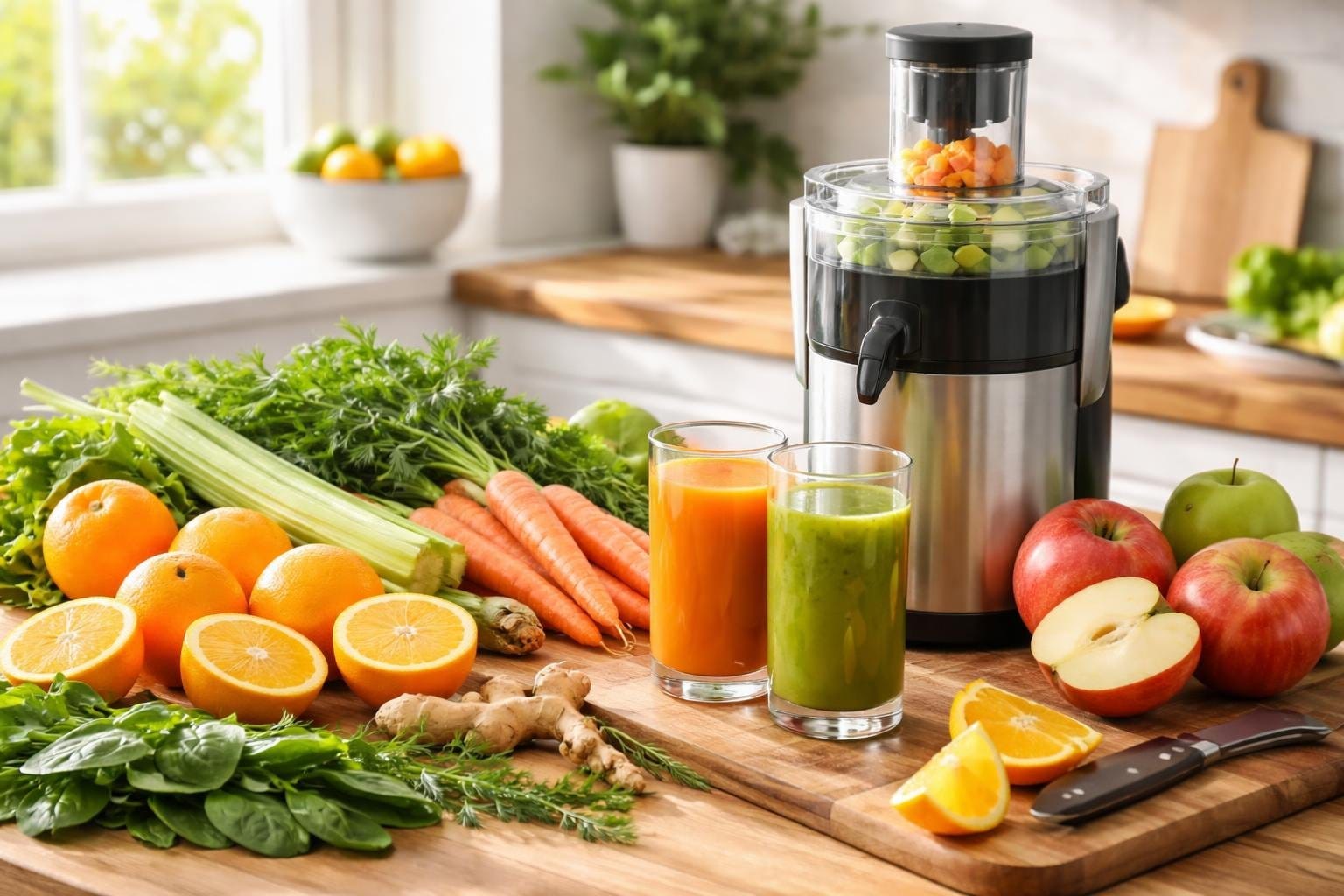
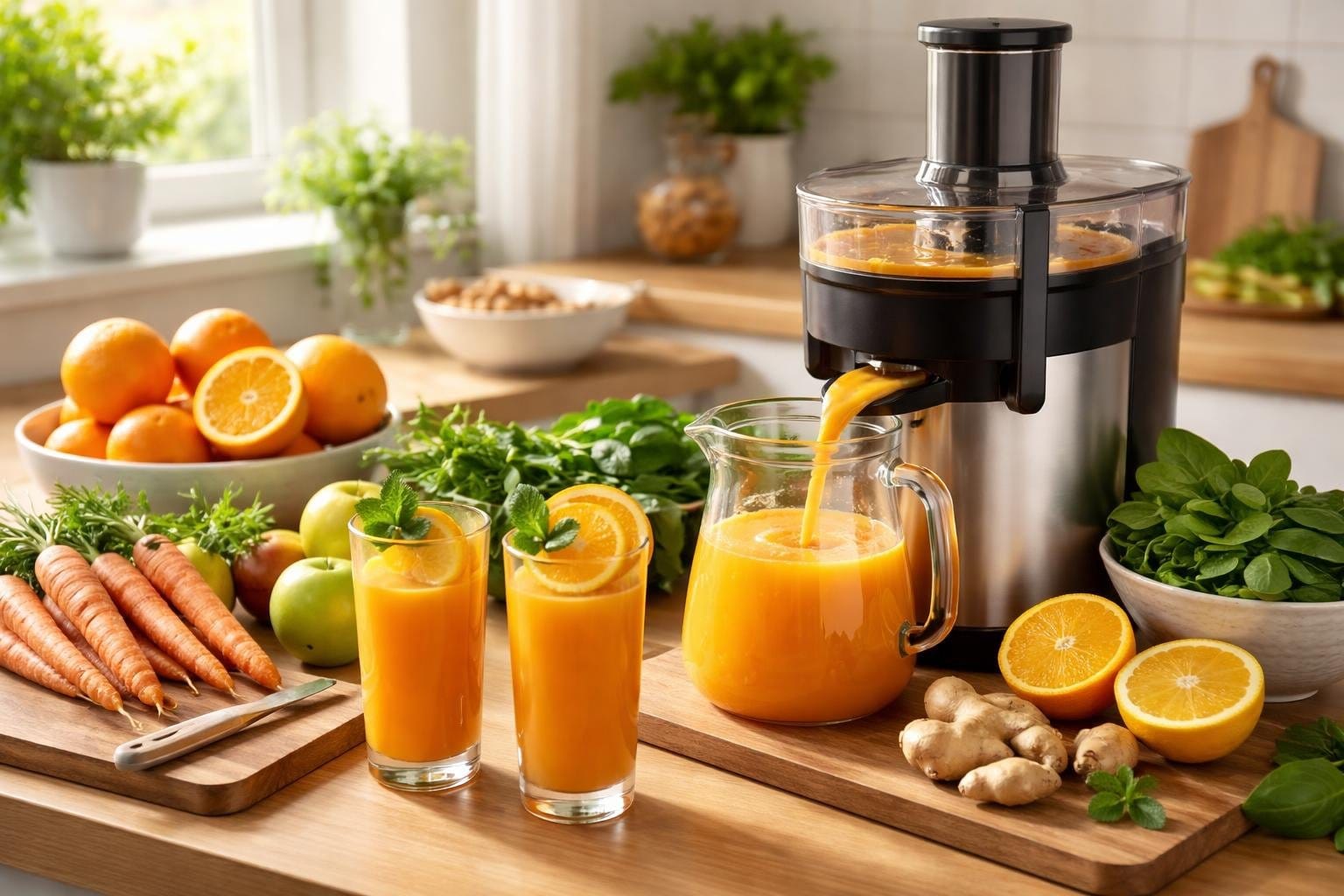
Starting your day with fresh juice gives your body an immediate boost of vitamins, minerals, and natural energy without the heaviness of a full breakfast. Morning juicing recipes combine fruits and vegetables into nutrient-dense drinks that support digestion, hydration, and sustained energy throughout your day.
Whether you prefer sweet citrus blends or green vegetable combinations, the right morning juice can become a simple habit that fits into even the busiest routines.
You don’t need expensive equipment or exotic ingredients to create effective morning juices. Most recipes rely on common produce you can find at any grocery store, and the preparation takes just minutes once you understand basic combinations.
This guide walks you through the essential ingredients that work best for morning juices. It provides specific recipes you can start using immediately and shares practical tips for getting consistent results.
Essential Ingredients for Morning Juicing
Morning juices work best when built from citrus fruits, leafy greens, and nutrient-dense additions that provide sustained energy without causing blood sugar spikes.
Top Fruits for Morning Juices
Citrus fruits form the backbone of most morning juices. Oranges, grapefruits, and lemons provide vitamin C and natural acidity that brightens flavor profiles. A single orange contains about 70mg of vitamin C, meeting most of your daily requirement.
Apples add sweetness and body to juices without overpowering other ingredients. Green apples offer less sugar than red varieties while maintaining crisp flavor. Pears blend well with greens and provide dietary fiber when some pulp remains.
Berries contribute antioxidants and vibrant color. Strawberries, blueberries, and raspberries work in small quantities. You’ll need about a cup of berries to impact flavor noticeably.
Pineapple and mango deliver tropical sweetness and contain enzymes that aid digestion. Half a cup of pineapple adds enough flavor without making your juice too thick.
Best Vegetables to Energize Your Day
Celery provides hydration and a mild, slightly salty taste that balances sweet fruits. Four to five stalks yield approximately one cup of juice. The natural sodium in celery helps with electrolyte balance.
Cucumbers create volume without adding strong flavors. They’re 95% water and blend seamlessly into any juice combination. One medium cucumber produces about one cup of juice.
Carrots add natural sweetness and beta-carotene. Two to three medium carrots balance well with greens. Your body converts beta-carotene into vitamin A, supporting eye health and immune function.
Leafy greens like spinach, kale, and romaine deliver minerals and chlorophyll. Start with one cup of loosely packed greens if you’re new to green juices. Spinach tastes milder than kale and works well for beginners.
Ginger root adds warmth and supports digestion. A one-inch piece provides noticeable flavor. Fresh ginger contains gingerol, a compound with anti-inflammatory properties.
Nutrient-Packed Superfoods to Boost Your Juice
Fresh turmeric root provides curcumin, which supports joint health and reduces inflammation. Use a half-inch piece in your morning juice. Pair it with black pepper to increase absorption by up to 2000%.
Chia seeds thicken juices and add omega-3 fatty acids. One tablespoon contains 5 grams of fiber. Let them sit in your juice for five minutes to develop a gel-like consistency.
Wheatgrass delivers concentrated nutrients in small amounts. One ounce provides iron, calcium, and amino acids. Its strong flavor means you should limit it to one to two ounces per serving.
Spirulina powder adds protein and B vitamins. Start with half a teaspoon as it has a distinct taste. This blue-green algae contains all essential amino acids.
Tips for Choosing Fresh Produce
Look for firm fruits without soft spots or wrinkles. The skin should feel taut and heavy for its size, indicating high water content. Citrus fruits should have thin, smooth skin rather than thick, bumpy rinds.
Buy organic versions of thin-skinned produce like apples, berries, and leafy greens. These items absorb more pesticides than thick-skinned fruits. You can save money by choosing conventional options for pineapples, oranges, and avocados.
Store leafy greens wrapped in damp paper towels inside plastic bags. They’ll stay fresh for five to seven days. Keep fruits at room temperature until ripe, then refrigerate to extend freshness.
Prep your ingredients the night before by washing and cutting them into pieces that fit your juicer. This reduces morning preparation time to under five minutes. Store cut produce in airtight containers to prevent oxidation.
Delicious Morning Juicing Recipes
These recipes combine nutrient-dense fruits and vegetables to deliver vitamins, antioxidants, and natural energy without added sugars or processed ingredients.
Vitamin C Sunrise Blend
This citrus-forward juice provides over 200% of your daily vitamin C requirement in a single serving. The combination supports immune function and collagen production while offering a bright, refreshing taste.
Juice all ingredients together and serve immediately. The ginger adds a warming element that aids digestion and reduces inflammation. You can adjust the ginger amount based on your heat preference.
This blend yields approximately 12-16 ounces and contains natural sugars from the citrus fruits balanced by the carrot’s earthy sweetness.
Energizing Green Power Juice
Green vegetables dominate this recipe, providing iron, calcium, and B vitamins that support sustained energy throughout your morning. The apple adds just enough sweetness to balance the mineral-rich greens.
Core ingredients:
3 cups spinach or kale
2 celery stalks
1 cucumber
1 green apple
1/2 cup parsley
1/2 lemon, peeled
The cucumber provides hydration while celery offers natural sodium to support electrolyte balance. Parsley contributes chlorophyll and vitamin K. Process leafy greens first, followed by harder vegetables for optimal juice extraction.
This recipe produces 10-14 ounces with a mild, vegetable-forward flavor that becomes more palatable as your taste buds adapt to green juices.
Tropical Immune Booster
Pineapple and mango deliver vitamin C and digestive enzymes while turmeric provides powerful anti-inflammatory compounds. This combination supports immune health and reduces oxidative stress.
1/2 teaspoon turmeric powder or 1 inch fresh turmeric root
Pinch of black pepper
The black pepper enhances turmeric absorption by up to 2000%. You should add it directly to the finished juice and stir well.
This tropical blend contains natural bromelain from pineapple, which aids protein digestion and may reduce inflammation. The bright orange color comes from beta-carotene and curcumin.
Low-Sugar Morning Cleanse
This recipe minimizes fruit content while maximizing vegetable nutrition, keeping total sugars under 10 grams per serving. The result supports stable blood sugar levels and provides hydration.
Ingredients:
1 large cucumber
3 celery stalks
1 cup romaine lettuce
1/2 green apple
1/2 lemon, peeled
1 inch ginger root
1/4 cup fresh mint leaves
The cucumber and celery form the base, providing volume and minerals without significant sugar content. Romaine adds folate and vitamin A while maintaining the low-sugar profile. Mint and lemon enhance flavor without calories.
You can remove the apple entirely for an even lower sugar option, though this creates a more savory juice profile. This recipe yields 14-18 ounces of light, refreshing juice ideal for those monitoring carbohydrate intake.
Success with morning juicing depends on achieving the right flavor balance, matching ingredients to your health priorities, and establishing efficient preparation routines.
These elements transform juicing from a time-consuming chore into a sustainable daily habit.
Balancing Flavors and Sweetness
Start with a 3:1 ratio of vegetables to fruits to keep sugar content low while maintaining palatability. Cucumber, celery, and leafy greens form neutral bases that allow other flavors to shine through.
Lemon and lime juice cut through bitterness from vegetables like kale or spinach. Add half a lemon or lime per 16-ounce serving to brighten the overall taste profile.
Use sweeter vegetables like carrots, beets, or bell peppers before reaching for extra fruit. A medium carrot adds natural sweetness without the fructose spike of an apple.
Ginger and mint provide flavor complexity without calories or sugar. A thumbnail-sized piece of ginger or a handful of mint leaves elevates simple juice combinations into more sophisticated drinks.
Juicing for Specific Health Goals
For energy and focus, combine spinach, celery, green apple, and ginger. The iron from spinach pairs with vitamin C from apple to improve absorption.
Immunity support requires vitamin C-rich ingredients like oranges, kale, and red bell peppers. Add turmeric root with black pepper to increase anti-inflammatory benefits.
Digestive health improves with fennel, cucumber, and pineapple combinations. Pineapple contains bromelain, which aids protein digestion when consumed on an empty stomach.
For skin health, prioritize beta-carotene sources like carrots, sweet potatoes, and red peppers. These convert to vitamin A, which supports cell turnover and collagen production.
Time-Saving Prep Strategies
Wash and chop vegetables the night before, storing them in airtight containers in the refrigerator.
Batch your citrus juicing by processing multiple lemons or limes at once. Store fresh citrus juice in ice cube trays for convenient single-serving portions.
Clean your juicer immediately after use by running water and a brush through all parts. This 2-minute task prevents dried pulp buildup that requires 15 minutes of soaking later.
Keep a designated bin in your refrigerator for juicing ingredients only. This visual organization reduces morning decision-making and speeds up the selection process.