Turmeric Benefits For Skin: Natural Ways to Achieve a Healthy Glow
When you buy through links on our site, we may earn an affiliate commission at no additional cost to you (learn more)
Turmeric is a bright yellow spice that can do more than just flavor your food. This natural ingredient has been used for thousands of years to treat skin problems and improve the skin’s appearance. You might have seen it in face masks or skincare products at the store.
Turmeric contains curcumin, a compound that can help reduce redness, fight acne, brighten dark spots, and slow down signs of aging on your skin. These benefits come from the natural properties that work to calm irritated skin and protect it from damage. Many people use turmeric as a gentle, affordable way to care for their skin at home.
You don’t need expensive products to get the benefits of turmeric for your face. There are simple ways to add this spice to your daily skincare routine, whether you want to make your own masks or buy products that already contain it.
Key Benefits Of Turmeric For Skin
Turmeric offers several proven benefits for your skin, from calming redness to helping clear up breakouts. The active compound curcumin works to improve your skin’s appearance in multiple ways.
Anti-Inflammatory Properties
Turmeric contains curcumin, which helps reduce inflammation in your skin. When you apply turmeric, it can calm redness and swelling caused by irritation or skin conditions.
This anti-inflammatory effect works well for conditions like eczema and psoriasis. Your skin may feel less irritated after using turmeric-based products.
The compound works by blocking certain proteins that trigger inflammation in your body. You might notice that puffy areas look calmer after regular use.
Many people with rosacea find relief when they add turmeric to their skincare routine. Your skin’s natural healing process is boosted by these anti-inflammatory properties.
Brightening And Even Skin Tone
Turmeric helps fade dark spots and creates a more uniform complexion. You can see results when the spice reduces melanin production in areas with hyperpigmentation.
Your skin may look brighter because turmeric helps remove dead skin cells. This gentle exfoliating effect reveals fresher skin underneath.
Dark circles under your eyes can appear lighter when you apply turmeric. The brightening effect comes from both reducing pigmentation and improving blood flow.
Sun spots and age spots may fade over time with consistent use. You’ll need patience since natural ingredients work gradually, but many people notice visible changes within 4-6 weeks.
Acne And Blemish Reduction
Turmeric fights acne-causing bacteria on your skin’s surface. Its antibacterial properties help prevent new breakouts from forming.
The spice also controls excess oil production in your pores. You may notice your skin feels less greasy throughout the day.
Curcumin helps reduce the appearance of acne scars by promoting faster healing. Your blemishes may fade quickly when you use turmeric regularly.
The anti-inflammatory effects prevent acne from becoming severe and painful. You can apply turmeric as a spot treatment or mix it into face masks for broader coverage.
Soothing Sensitive Skin
Turmeric works well for sensitive skin because it calms irritation without harsh chemicals. You can use it if your skin reacts badly to other products.
The natural compounds help strengthen your skin’s protective barrier. This makes your skin less reactive to environmental triggers over time.
Your skin may feel more comfortable after using turmeric, as it helps reduce itching and burning sensations. The soothing effect happens quickly, often within minutes of application.
People with reactive skin types appreciate turmeric’s gentle nature. You can combine it with other mild ingredients like honey or yogurt for added benefits.
How To Use Turmeric In Your Skincare Routine
You can add turmeric to your skincare routine through homemade face masks or store-bought products. It’s important to know the right amounts to use and watch for any skin reactions.
DIY Turmeric Face Masks
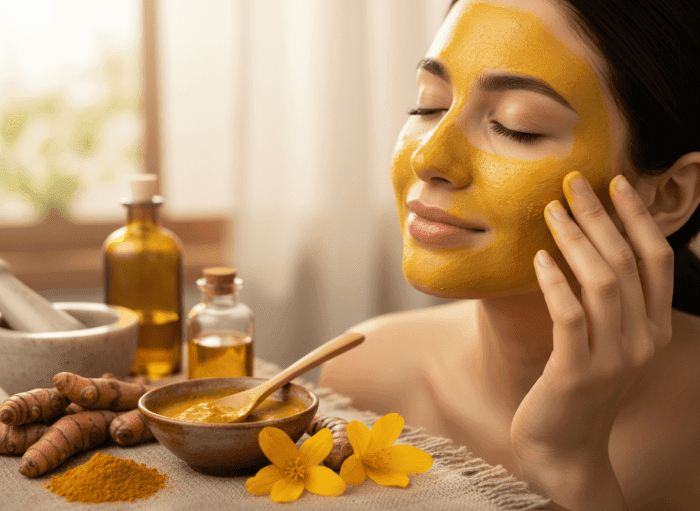
Making your own turmeric face mask at home is easy and affordable. Mix one teaspoon of turmeric powder with two tablespoons of plain yogurt and one teaspoon of honey. This creates a paste that works well for most skin types.
You can also try mixing turmeric with chickpea flour and milk for oily skin. Use equal parts of each ingredient until you get a smooth consistency.
Apply any turmeric mask to clean skin and leave it on for 10-15 minutes. Rinse with warm water and pat your face dry with a soft towel.
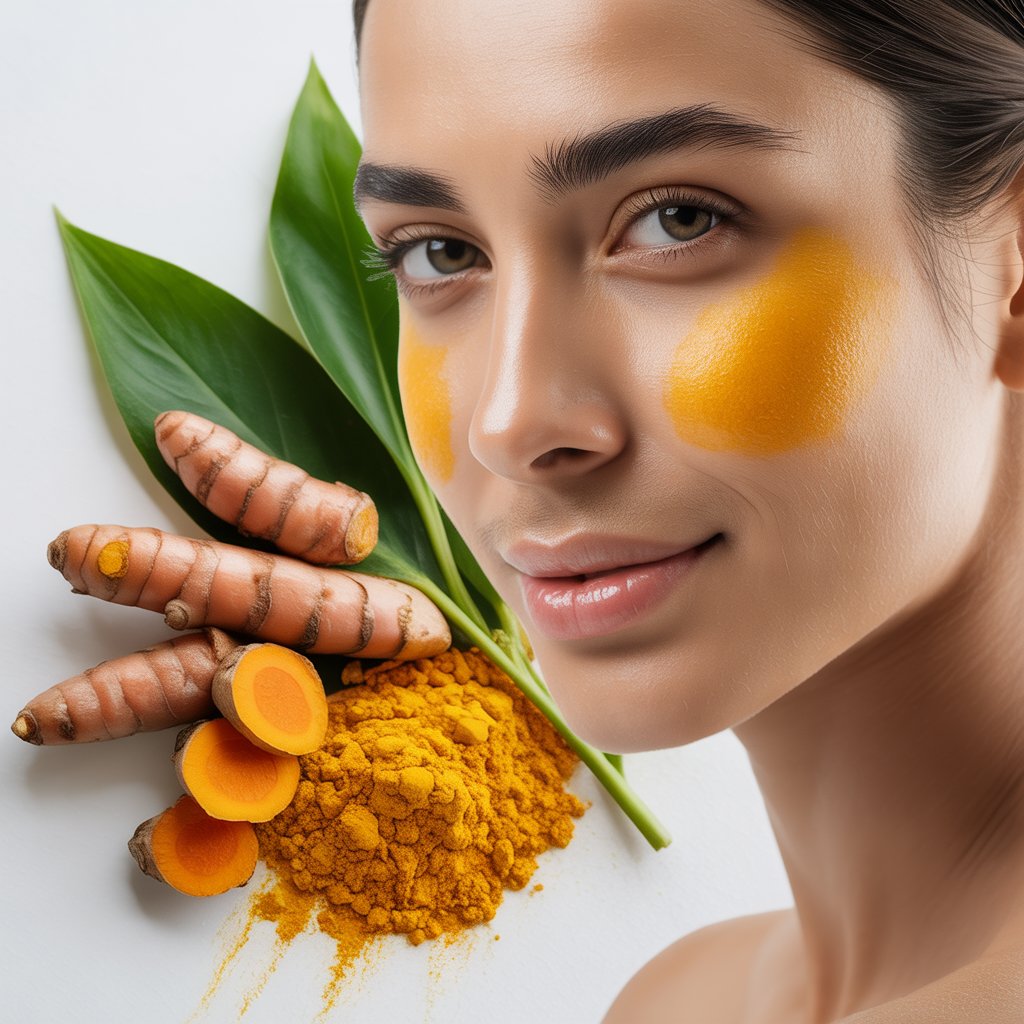
Important tip: Turmeric can temporarily stain your skin yellow. Using a smaller amount of turmeric or washing your face with milk after removing the mask helps reduce staining.
Always do a patch test on your inner arm before putting any new mask on your face. Wait 24 hours to make sure you don’t have a bad reaction.
Choosing The Right Turmeric Products
Look for skincare products that list turmeric or curcumin in the first few ingredients. This means the product contains a good amount of the ingredient.
Many brands now offer turmeric face creams, serums, and cleansers. Check that the products don’t contain harsh chemicals or strong fragrances that might irritate your skin.
Kasturi turmeric (wild turmeric) is better for skincare than regular cooking turmeric. It has less curcumin, which means it won’t stain your skin as much.
You can find turmeric products at drugstores, beauty stores, and online shops. Read reviews from other customers to see if the product worked well for them.
Store your turmeric products in a cool, dry place away from direct sunlight. This keeps them fresh and working properly.
Possible Side Effects And Precautions
Turmeric is safe for most people, but some may have allergic reactions. Stop using it right away if you notice redness, itching, or swelling.
People with sensitive skin should start with a small amount of turmeric.
Turmeric may interact with blood-thinning medications. Talk to your doctor before using turmeric products if you take any prescription medications.
Avoid getting turmeric products in your eyes, as they can cause burning and irritation. If this happens, rinse your eyes with cool water right away.
Don’t use turmeric on broken or damaged skin. Wait until cuts, scrapes, or active breakouts heal before applying turmeric masks or products.