Frankincense Oil for Age Spots — Reduce the Signs of Aging
When you buy through links on our site, we may earn an affiliate commission at no additional cost to you (learn more)
If your skin is starting to reveal your age through fine lines, less supple texture, enlarged pores, or sun damage, there are gentle, science-backed ways to reduce those signs. Frankincense essential oil is one natural option known for skin-rejuvenating properties. Below we explain how it works, how to use it safely, and practical routines to help fade age spots and improve skin texture.
The Benefits of Frankincense
Frankincense essential oil is distilled from the resin of Boswellia trees native to Africa and the Middle East. The oil contains compounds such as boswellic acids, alpha-pinene, and limonene that interact with skin cells in useful ways.
Historically used in traditional medicine and skincare, frankincense has modern laboratory evidence supporting anti-inflammatory and antioxidant activity. These effects can help protect skin from ongoing damage and support gradual repair.
Used consistently and combined with sun protection, frankincense may reduce the visible signs of photoaging, including age spots, rough texture, and fine lines.
How Frankincense Targets Age Spots
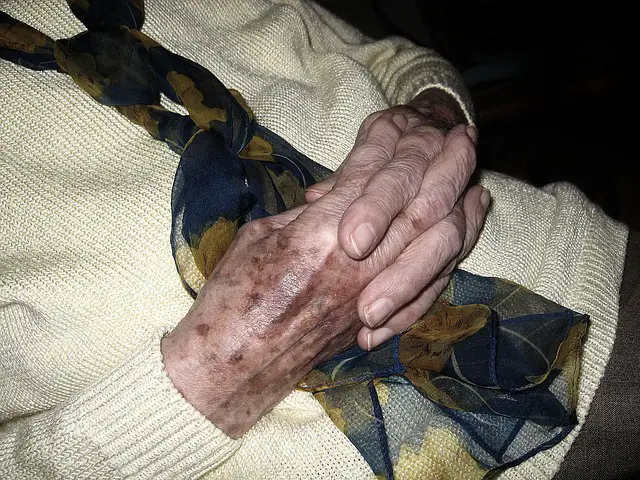
Age spots are areas of increased pigmentation caused mainly by cumulative UV exposure. UV light stimulates melanocytes, the pigment-producing cells, to make excess melanin that becomes concentrated in patches.
Frankincense has been shown to influence melanin production by inhibiting tyrosinase, an enzyme involved in melanin synthesis. By lowering tyrosinase activity, frankincense can help prevent new dark spots and gradually lighten existing ones.
In addition, frankincense’s anti-inflammatory and antioxidant compounds reduce skin stress and support the skin’s natural repair processes that can improve overall tone and texture.
Visible Results and Expectations
Studies and topical-product trials suggest modest improvements in hyperpigmentation and skin texture with regular use of botanicals that affect tyrosinase activity. Expect gradual change over 8–12 weeks rather than immediate results.
Combine frankincense with sun protection and a gentle skincare routine to protect improvements and reduce the chance of new spots forming.
Practical Ways to Use Frankincense
Frankincense can be added to your routine in several safe, easy ways. Always dilute essential oils before applying them to skin to reduce irritation risk.
- Add 1–2 drops of frankincense to your daily moisturizer or serum and apply to target areas each morning or evening.
- Create a simple spot treatment: dilute 1 drop frankincense in 4–5 drops of a carrier oil such as jojoba or sweet almond oil. Apply a small amount to individual age spots once daily at night.
- Weekly mask: mix 2 teaspoons of raw honey with 1 drop frankincense and 1 drop sandalwood. Apply for 10–15 minutes, then rinse. This hydrates and soothes while delivering active compounds.
Safety and Precautions
Essential oils are concentrated and can cause irritation or allergic reactions if used undiluted. Always perform a patch test before using frankincense more broadly.
To patch test: dilute 1 drop of frankincense in 4–5 drops of carrier oil and apply to a small area on your inner forearm. Wait 24–48 hours. If redness, itching, or irritation occurs, discontinue use.
Aim for a safe dilution of around 1% for facial use (about 1 drop of essential oil per teaspoon of carrier or moisturizer). Higher concentrations increase the risk of irritation without adding clear benefit.
If you are pregnant, breastfeeding, have sensitive skin, or are on medications, consult a healthcare professional before using essential oils. Avoid contact with eyes and mucous membranes.
When to See a Professional
If a dark spot changes shape, grows, itches, or bleeds, see a dermatologist promptly. Not all discolorations are benign age spots; some require medical evaluation.
For persistent hyperpigmentation, dermatologists can offer evidence-based treatments such as topical retinoids, azelaic acid, chemical peels, or laser therapies that may be faster or more effective than topical botanicals alone.
Why Frankincense Works — A Quick Science Summary
- Tyrosinase inhibition: reduces melanin production and helps lighten pigmented areas over time.
- Anti-inflammatory action: calms irritated skin and slows collagen and elastin breakdown.
- Antioxidant effects: neutralizes free radicals from UV exposure and pollution, protecting skin cells from additional damage.
Simple Daily Routine to Support Results
Follow a consistent routine for the best chance of improvement. Keep it simple to encourage adherence.
- Mornings: gentle cleanser, antioxidant serum (optional), moisturizer with 1–2 drops frankincense mixed in, broad-spectrum sunscreen SPF 30+.
- Nights: cleanse, apply a diluted frankincense spot treatment to areas of hyperpigmentation, follow with moisturizer.
- Weekly: use the honey + frankincense mask once a week to hydrate and soothe skin.
Final Notes
Frankincense essential oil is a gentle, natural option with plausible mechanisms for reducing age spots and supporting healthier-looking skin. Results are gradual and work best when combined with sun protection and a basic skincare routine.
Use proper dilution, do a patch test, and consult a healthcare provider for persistent or changing lesions. With consistent care and realistic expectations, frankincense can be a useful part of an age-spot–focused regimen.