Almond Oil for Stretch Marks — Naturally Heal Your Skin
When you buy through links on our site, we may earn an affiliate commission at no additional cost to you (learn more)
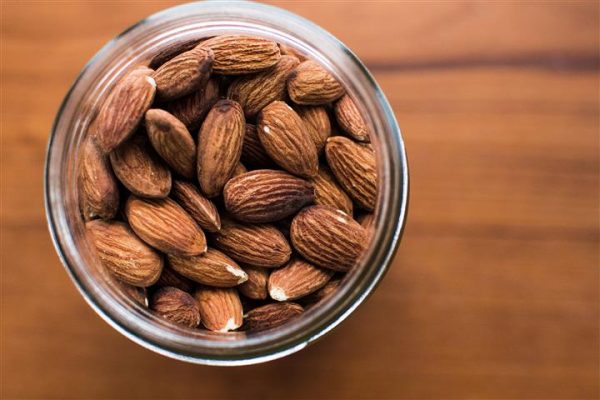
While you may enjoy eating almonds as a snack, you may not know some of the other health benefits this nutritious nut offers, including helping to prevent and reduce the appearance of stretch marks. Many skincare products contain almond oil because of its skin-friendly profile. Using almond oil consistently is a low-risk, low-cost option to support skin elasticity and hydration.
Which Type of Almond Oil Should I Use?
Almonds come in two main varieties: sweet almonds (the edible kind) and bitter almonds (less common, usually used for specific medicinal purposes). For skincare and stretch marks, choose sweet almond oil that’s labeled safe for topical use.
Almond oil is extracted either by refined methods (higher heat and processing) or by cold-pressing (unrefined). Cold-pressed, unrefined almond oil retains more of its natural nutrients, including vitamin E and essential fatty acids, and is preferable for skin care.
Key nutrients in almond oil include vitamin E, monounsaturated fatty acids (oleic acid), linoleic acid, zinc, and small amounts of vitamins A and B. These compounds are known for properties such as antioxidant protection, skin barrier support, and improved hydration.
How Almond Oil Works on Stretch Marks
Stretch marks form when the skin stretches faster than it can adapt, causing the collagen and elastin fibers that give skin structure to break. Almond oil does not “erase” these fibers, but it can help the skin look and feel better in several measurable ways.
- Moisturization: Almond oil is emollient, meaning it helps the skin retain water and prevents drying, which keeps skin more supple.
- Barrier support: Fatty acids in the oil help reinforce the skin’s outer layer, reducing water loss and improving texture.
- Antioxidant protection: Vitamin E is an antioxidant that helps protect skin cells from oxidative stress, which can slow healthy repair.
- Improved elasticity: Regular massage and hydration can improve circulation and may help skin retain some elasticity over time.
Clinical and observational studies suggest that topical oils applied during pregnancy can reduce itchiness and may lower the risk of developing stretch marks. Studies often combine massage with oil application, so the mechanical effect of massage likely contributes to the benefit.
Using Almond Oil for Stretch Marks
Almond oil is easy to incorporate into your skincare routine. Follow these practical steps for best results:
- Apply after showering when skin is slightly damp to lock in moisture.
- Use a small amount (a few drops to a teaspoon) and warm it between your palms.
- Massage into target areas (abdomen, hips, breasts, thighs) using gentle, circular motions for 2–5 minutes.
- Repeat daily, ideally twice a day, for several months to evaluate improvement.
Massaging helps increase blood flow and encourages delivery of nutrients to the skin. Consistency matters: improvements in texture and color can take weeks to months, depending on the age and severity of the marks.
Safety and Precautions
Almond oil is generally safe for most people when used on the skin, but take these precautions:
- If you have a tree-nut allergy, avoid topical almond oil unless cleared by an allergist. Skin contact can still trigger a reaction in sensitive individuals.
- Do a patch test before widespread use: apply a small amount on the inner forearm and wait 24–48 hours for any irritation or redness.
- Pregnant and breastfeeding people can usually use sweet almond oil topically, but consult your healthcare provider if you have concerns.
- Choose cold-pressed, pure almond oil without added fragrance or essential oils if you have sensitive skin.
Avoid bitter almond oil unless it is specifically processed and labeled for cosmetic use, because bitter almonds can contain compounds that are unsafe if not treated properly.
Tips to Maximize Results
- Combine almond oil with a healthy lifestyle: adequate protein, vitamin C, and zinc support collagen production from the inside.
- Consider gentle exfoliation before application (once or twice weekly) to remove dead skin cells and improve oil absorption.
- For added antioxidant benefit, you can alternate or combine almond oil with products containing clinically studied ingredients such as topical retinoids (use only if not pregnant and under medical advice) or centella asiatica extracts.
Realistic Expectations
Almond oil can help hydrate skin, reduce itch, and improve the appearance of early stretch marks, but it will not completely remove deep or long-standing marks. Results depend on individual skin type, age of the stretch marks, and consistency of treatment.
If stretch marks are a major concern, consult a dermatologist. Medical treatments such as microdermabrasion, laser therapy, microneedling, or prescription retinoids have stronger evidence for reducing established stretch marks but come with higher cost and need professional guidance.
Summary
Cold-pressed sweet almond oil is a safe, inexpensive option to help prevent and improve the appearance of stretch marks through moisturization, barrier support, and antioxidant protection. Use it consistently, patch-test first, and pair topical care with good nutrition and gentle skincare habits for best results.