Papaya Benefits for Women: Nature’s Enzyme-Rich Powerhouse
Table of Contents
When you buy through links on our site, we may earn an affiliate commission at no additional cost to you (learn more)
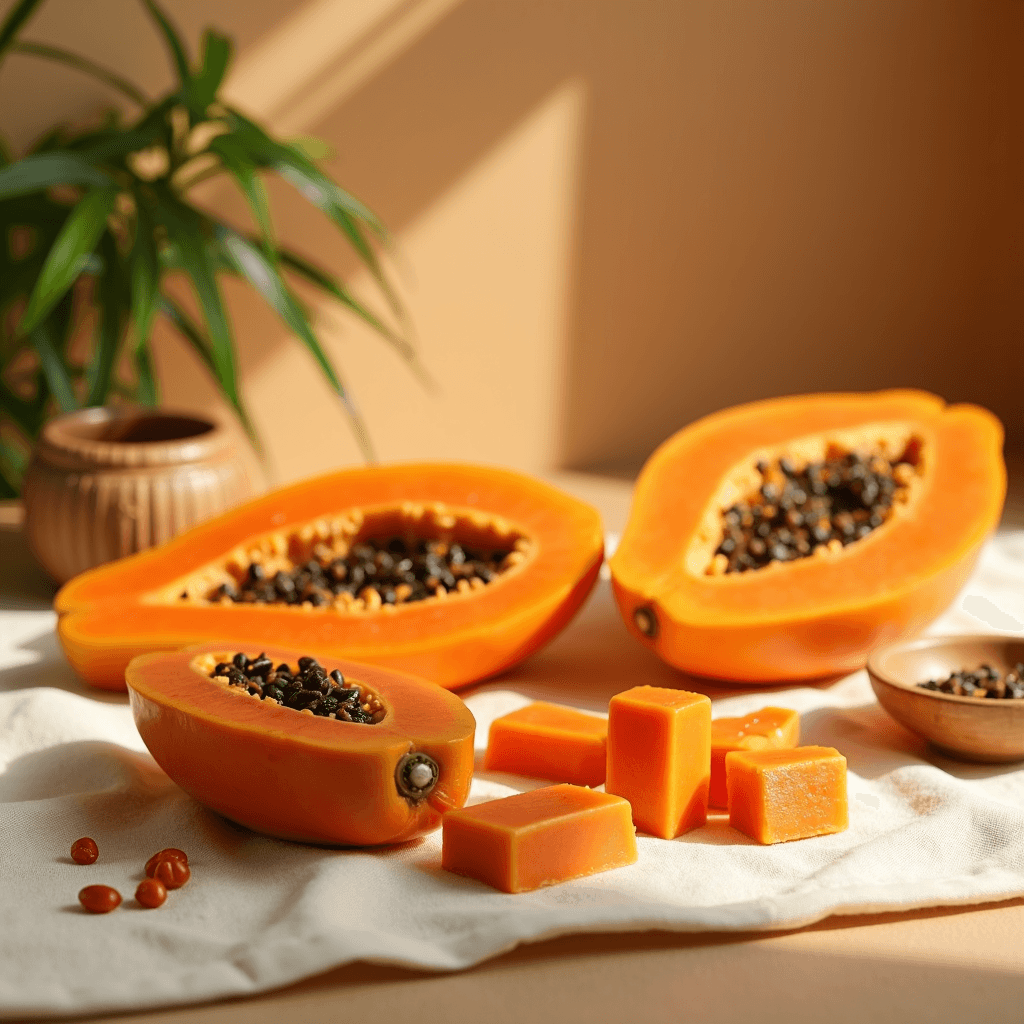
Papaya isn’t just a tropical treat—it’s a nutrient-dense fruit that addresses specific health needs for women across every life stage. From reproductive health to digestive wellness and natural beauty support, this golden fruit packs enzymes, vitamins, and compounds that work in harmony with our bodies. Understanding how papaya supports women’s health moves us beyond generic fruit recommendations and into the “why” behind the benefits.
The Science Behind Papaya’s Unique Benefits for Women
Papaya’s superpower lies in papain, a proteolytic enzyme that breaks down proteins into amino acids. This isn’t just digestive theater—papain actually supports hormone regulation by improving nutrient absorption, which is crucial for maintaining balanced estrogen and progesterone levels. Research shows that enhanced protein digestion means better amino acid availability for producing neurotransmitters like serotonin, directly impacting mood and menstrual cycle stability.
The fruit also contains lycopene and beta-carotene, antioxidants that reduce oxidative stress on reproductive organs. Women experience higher oxidative stress during menstruation and menopause, making these compounds especially valuable during hormone fluctuations. Papaya’s high vitamin C content (177% of daily value per cup) strengthens collagen synthesis, supporting both skin elasticity and connective tissue integrity in the reproductive system.
Additionally, papaya contains chymopapain, another enzyme that helps reduce inflammation in the digestive tract—a common issue for women managing IBS or digestive sensitivity during hormonal cycles.
Top 5 Specific Benefits for Women’s Health
1. Supports Menstrual Regularity and Reduces Cramping
Papain promotes better protein digestion, which improves the production of prostaglandin-regulating compounds. Prostaglandins are hormone-like substances that control uterine contractions; when they’re balanced, menstrual cramps ease naturally. Additionally, papaya’s magnesium content (33 mg per cup) helps relax uterine muscles during menstruation, reducing the intensity of period pain without pharmaceutical intervention.
How to use: Consume fresh papaya in the week before your cycle begins to allow enzymes to support your system proactively.
2. Enhances Skin Health and Collagen Production
The combination of vitamin C, beta-carotene, and papain makes papaya a multi-tasking skincare agent. Vitamin C triggers collagen synthesis, while papain gently exfoliates dead skin cells when applied topically, and beta-carotene protects against UV-induced damage. Studies show that women who consume sufficient vitamin C experience 40% less skin wrinkling over time.
Papaya also contains small amounts of folate, essential for cellular turnover and maintaining skin barrier function.
DIY Mask: Blend fresh papaya with a tablespoon of raw honey for a natural enzyme-rich exfoliant mask (leave on for 10 minutes, 2x weekly).
3. Improves Digestive Health During Hormonal Shifts
Women’s digestive systems are sensitive to hormonal fluctuations—progesterone peaks before menstruation cause bloating and constipation. Papain and chymopapain work to break down complex food compounds, reducing fermentation in the gut and subsequent bloating. This is especially important during the luteal phase of the cycle when digestion naturally slows.
Pro tip: Pair papaya with other gas-reducing foods like ginger or fennel for compound digestive benefits.
4. Supports Cardiovascular Health
Women’s cardiovascular risk increases significantly post-menopause due to declining estrogen. Papaya contains arginine, an amino acid that improves blood vessel function and reduces arterial stiffness. The fruit’s lycopene also lowers LDL cholesterol oxidation, a key factor in atherosclerosis prevention. Combined with folate for homocysteine reduction, papaya becomes a multi-pathway heart protector.
5. Boosts Immune Function for Hormonal Wellness
The immune system is closely linked to hormone balance through the gut-immune-endocrine axis. Papaya’s vitamin A (31% DV), vitamin C, and polyphenols strengthen immune barriers and reduce chronic inflammation that can disrupt endocrine signaling. This is particularly important for women managing autoimmune conditions or recurring infections tied to hormonal cycles.
Enhanced serotonin production via amino acid absorption
Postmenopause
Heart & Bone Health
Arginine and lycopene support cardiovascular function
All Ages
Skin & Digestion
Enzyme activity and collagen synthesis support aging gracefully
How to Select and Consume Papaya for Maximum Benefits
Choosing the Right Fruit
Ripe papayas have yellow-gold skin with slight softness when pressed gently. The key is that enzymes like papain are most active in ripe fruit. Under-ripe papayas contain higher latex levels (which can trigger allergies) and lower enzyme activity.
Ripe papaya: Deep color, slight give when pressed, sweet aroma at the stem
Semi-ripe: Better for cooking or if you have enzyme sensitivity
Avoid: Brown patches or mushiness, indicating over-ripeness and nutrient loss
Preparation Methods for Maximum Nutrient Retention
Fresh & Raw (Best): Consume within 30 minutes of cutting to maximize vitamin C and enzyme activity. Seeds are edible and contain glucosinolates, compounds with anti-cancer properties.
Smoothie Bowls: Blend ripe papaya with Greek yogurt (added protein) and cinnamon (blood-sugar stabilizing). The combination of papain and protein creates a hormone-supporting breakfast.
Light Cooking: Gentle heating (under 120°F) preserves most nutrients while reducing raw enzyme intensity if you have a sensitive stomach.
Papaya & Hormonal Synergy: Pairing for Enhanced Benefits
Papaya works best as part of a nutrient-dense pattern, not in isolation. Consider these combinations:
Papaya + Dark Leafy Greens: Greens provide folate and iron; papain enhances mineral absorption
Papaya + Fatty Fish: Omega-3s reduce inflammation; papain improves protein digestion for hormone precursors
Papaya + Ginger: Both reduce digestive inflammation; synergistic effect on cramping
Papaya + Seeds (flax, sesame): Seeds provide lignans for estrogen metabolism; papain aids nutrient absorption
Latex Sensitivity: Those with latex allergies may react to raw papaya latex. Ripe, peeled papayas have minimal latex, but those with severe allergies should consult their healthcare provider.
Medication Interactions: Papain may interact with blood-thinners or certain medications. If you’re on warfarin or similar drugs, discuss papaya consumption with your provider.
Pregnancy Consideration: While ripe papaya is safe, unripe or semi-ripe papaya contains higher latex levels that some practitioners recommend avoiding during pregnancy due to uterine contraction potential.
Digestive Sensitivity: Start with small amounts (¼ cup) if you’re new to papaya’s enzyme activity to allow your gut microbiome to adapt.
The NutriGuide Pro-Tip
Create a “Cycle-Syncing” Papaya Routine: During your follicular phase (first two weeks of your cycle), consume 1 cup of fresh papaya 3-4x weekly. During your luteal phase, combine papaya with warming spices (ginger, cinnamon) to support digestion as it naturally slows. This isn’t about restrictive eating—it’s about timing nutrient delivery to match your body’s shifting needs. You’ll likely notice easier digestion, clearer skin, and more stable mood within 2-3 cycles.