Benefits of Calamansi on Skin

When you buy through links on our site, we may earn an affiliate commission at no additional cost to you (learn more)
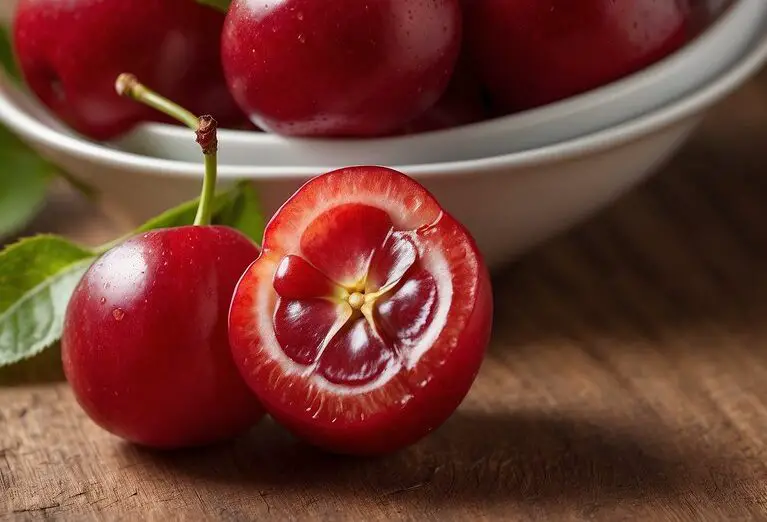
If you are looking for natural beauty solutions that treat your skin kindly and also have benefits for the appearance and overall health of your skin, look no further than the juice of the calamansi fruit. This citrus fruit, also known as citrofortunella microcarpa, calamondin, and the golden lime, is rising to fame as the next natural option in skin care.
Calamansi is commonly used both topically and as a food ingredient. It is lightweight, tangy, and packed with nutrients that affect skin health from the surface inward. Below we explain the main benefits, how to use calamansi safely, and practical recipes you can try at home.
The Skin Benefits of Calamansi
Calamansi is high in vitamin C, a well-studied antioxidant. Antioxidants help neutralize free radicals, which are unstable molecules that can damage skin cells and speed up visible aging such as fine lines and loss of firmness. Studies suggest vitamin C also supports collagen production, the protein that keeps skin firm and elastic.
Because of these properties, regular use of vitamin C–rich ingredients can improve skin brightness and texture over time. Research into ascorbic acid derivatives (forms of vitamin C) shows they can support skin repair after sun damage and help even skin tone.
Calamansi also contains natural alpha hydroxy acids (AHAs), mainly citric acid. AHAs act as gentle chemical exfoliants that loosen the bonds between dead skin cells, allowing them to slough off and reveal smoother, fresher skin underneath.
This exfoliating effect can reduce the appearance of dark spots and hyperpigmentation when used carefully and consistently. Some people use calamansi to help manage oily skin because citrus extracts may help regulate sebum (skin oil) production, reducing shine and the likelihood of clogged pores.
Beyond exfoliation and antioxidant action, calamansi has small amounts of other nutrients and plant compounds that may soothe or mildly disinfect skin. These effects are mild compared with medical treatments but can be helpful as part of a gentle skincare routine.
How to Use Calamansi for Your Skin
There are several practical, low-risk ways to try calamansi topically. Always start with a patch test (see Safety Precautions below) to check for sensitivity.
- Fresh juice: Cut a calamansi in half and rub the flesh directly on thicker or darker areas, such as elbows, knees, or spots on the face. Rinse after 10–30 minutes depending on tolerance.
- Diluted toner: Mix 1 teaspoon of calamansi juice with 2 tablespoons of water and apply with a cotton pad. Rinse after 10 minutes. This is gentler for sensitive skin.
- Milk and calamansi mask: Mix 1 teaspoon of calamansi juice with 2 tablespoons of milk. Milk contains lactic acid, a mild AHA, which calms the mixture and softens the skin. Leave for 8–10 minutes, then rinse.
- Exfoliating scrub: Combine a teaspoon of calamansi juice with a tablespoon of sugar for a short, manual exfoliant. Massage gently and rinse immediately to avoid over-exfoliation.
If you prefer internal use, drinking diluted calamansi juice provides vitamin C and hydration. Consuming vitamin C supports skin health from the inside by contributing to collagen synthesis and antioxidant protection.
Safety Precautions
Calamansi is acidic and can irritate or sensitize skin if used undiluted or for too long. Always do a patch test on the forearm and wait 24 hours to check for redness or itching.
Avoid using fresh calamansi on broken or recently irritated skin. If your skin becomes red, stinging, or very dry after use, stop and rinse thoroughly. If irritation persists, consult a dermatologist.
Citrus on the skin can increase photosensitivity in some people, making the skin more prone to sunburn. After using calamansi topically, apply a broad-spectrum sunscreen (SPF 30 or higher) or avoid direct sun exposure for 24–48 hours.
Practical Tips and Frequency
Start slowly. For most skin types, apply calamansi treatments 1–2 times per week. Increase frequency only if your skin shows no irritation and you want stronger exfoliation.
- For oily or acne-prone skin: a diluted toner 2–3 times weekly may help balance oiliness.
- For sensitive skin: limit use to once weekly and always dilute the juice.
- For brightening and texture: a short-contact mask (8–15 minutes) 2–3 times weekly can gradually improve tone and smoothness.
Do not mix calamansi juice with retinoids, prescription acids, or strong exfoliants at the same time of day. These combinations increase irritation risk. Instead, alternate days or consult a dermatologist for a safe routine.
What to Expect
Calamansi can produce visible changes in skin texture and brightness within a few weeks when used consistently, but results vary by skin type and existing pigmentation. It is not a quick-acting or medical-strength bleaching agent.
For persistent hyperpigmentation, deep scars, or severe acne, medical treatments such as chemical peels, prescription creams, or in-office procedures are more reliable. Calamansi is best used as a gentle, supportive tool within a broader skincare plan.
Summary
Calamansi offers vitamin C–rich antioxidant benefits, mild AHA exfoliation, and potential oil-regulating effects that can improve skin texture and brightness. Use diluted preparations, perform a patch test, and protect your skin from the sun after use.
When combined with a basic routine—gentle cleanser, moisturizer, and daily sunscreen—calamansi can be a valuable natural addition. If you have underlying skin conditions or are using prescription products, consult a dermatologist before adding new active ingredients.