Anemia Diet Plan: Essential Foods and Nutrients to Boost Iron Levels
Table of Contents
When you buy through links on our site, we may earn an affiliate commission at no additional cost to you (learn more)
Anemia occurs when your body lacks enough healthy red blood cells to carry adequate oxygen to your tissues, leaving you feeling tired and weak. The condition often results from iron deficiency, vitamin B12 deficiency, or folate deficiency, though other causes exist.
A well-planned anemia diet focuses on increasing your intake of iron-rich foods, vitamin C to enhance iron absorption, and essential B vitamins that support red blood cell production. Your food choices directly impact your body’s ability to manufacture healthy red blood cells and maintain optimal hemoglobin levels.
Understanding which foods to include and which to avoid can significantly improve your symptoms and help you manage anemia effectively. This guide walks you through the essential nutritional principles, practical meal options, and dietary habits that support your recovery and long-term health.
Core Principles of an Anemia Diet Plan
Your diet can significantly impact anemia management by addressing specific nutritional deficiencies and supporting red blood cell production. The effectiveness depends on matching nutrient intake to your anemia type and maintaining consistent meal patterns.
Types of Anemia and Their Dietary Needs
Iron-deficiency anemia requires foods rich in heme iron (red meat, poultry, fish) and non-heme iron (legumes, fortified cereals, spinach). You need 8-18 mg of iron daily depending on age and sex.
Vitamin B12-deficiency anemia responds to animal products like eggs, dairy, meat, and fish. If you follow a plant-based diet, you need fortified foods or supplements since B12 occurs naturally only in animal sources.
Folate-deficiency anemia calls for leafy greens, citrus fruits, beans, and fortified grains. Pregnant women require 600 mcg daily, while other adults need 400 mcg.
Aplastic anemia and hemolytic anemia may benefit from protein-rich foods to support cell production, though dietary changes alone won’t resolve these conditions. You should work with your healthcare provider for comprehensive treatment.
Key Nutrients for Anemia
Iron serves as the primary building block for hemoglobin. Pair iron-rich foods with vitamin C sources like bell peppers or citrus to enhance absorption by up to 300%.
Vitamin B12 enables red blood cell formation and DNA synthesis. Your body stores several years’ worth, but deficiencies develop slowly and require consistent intake.
Folate (Vitamin B9) works with B12 to create healthy red blood cells. Heat destroys folate, so eat some vegetables raw or lightly steamed.
Vitamin C converts plant-based iron into an absorbable form. You need only 75-90 mg daily, easily obtained from one orange or half a bell pepper.
Copper helps your body utilize stored iron. Nuts, seeds, and whole grains provide adequate amounts at 900 mcg daily.
Meal Timing and Frequency
You should space iron-rich meals throughout the day rather than consuming large amounts at once. Your body absorbs iron better in smaller, frequent doses of 10-15 mg per meal.
Avoid calcium-rich foods, coffee, and tea within two hours of iron consumption. These substances bind to iron and reduce absorption by 50-60%.
Eat vitamin C with every iron-containing meal to maximize absorption. A glass of orange juice or sliced tomatoes accomplishes this easily.
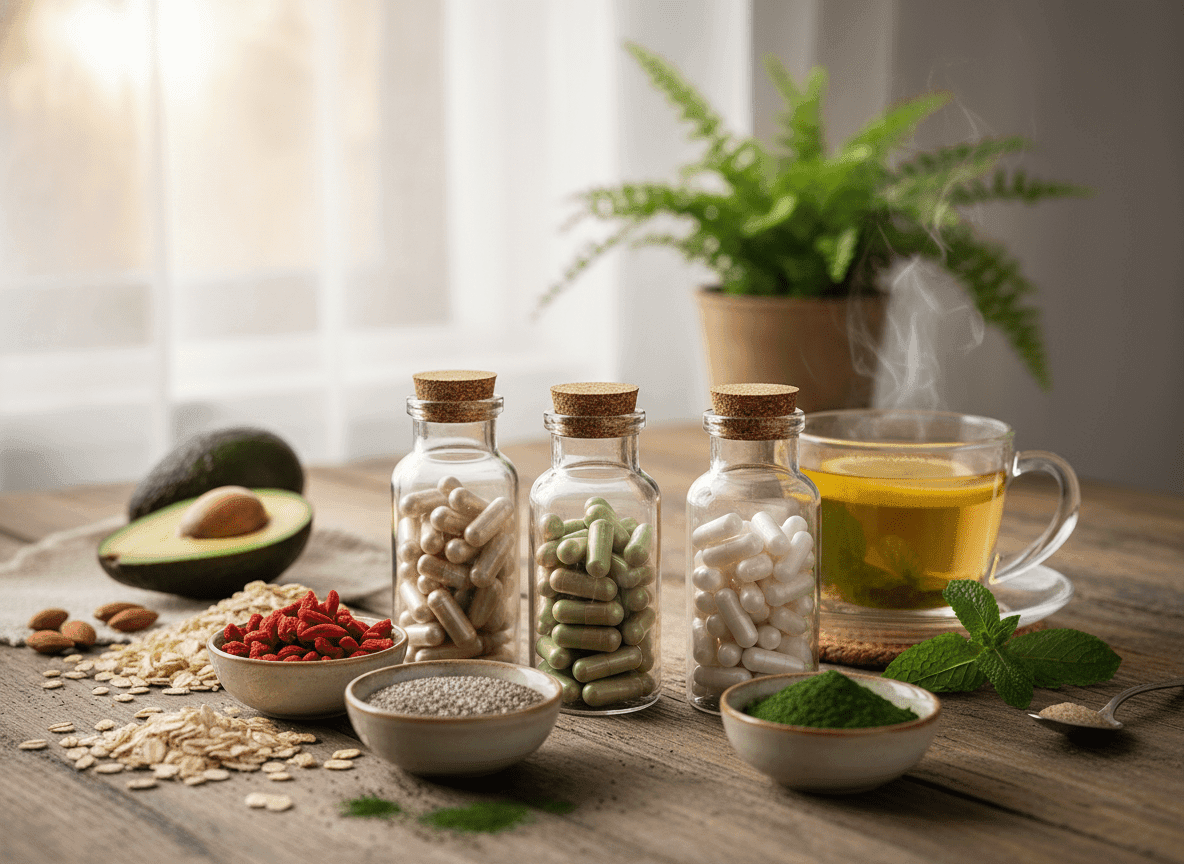
If you take iron supplements, consume them on an empty stomach when possible, ideally one hour before or two hours after meals. Take them with water and a vitamin C source for optimal results.
Recommended Foods and Sample Meal Plans
Building your anemia diet around iron-rich foods and strategic meal combinations helps maximize iron absorption and restore healthy blood levels. The key is understanding different iron sources and pairing them with foods that enhance uptake while avoiding those that inhibit it.
Iron-Rich Foods: Heme vs. Non-Heme Sources
Your body absorbs two types of dietary iron differently. Heme iron comes from animal sources and your body absorbs 15-35% of it, making it the most efficient option. Non-heme iron comes from plant sources and your body absorbs only 2-20% of it.
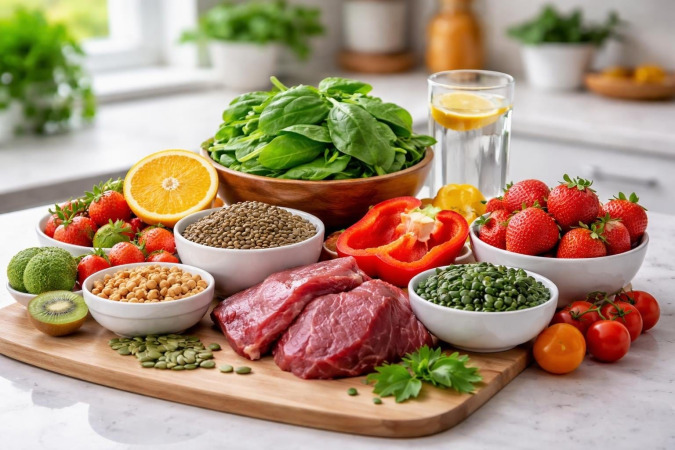
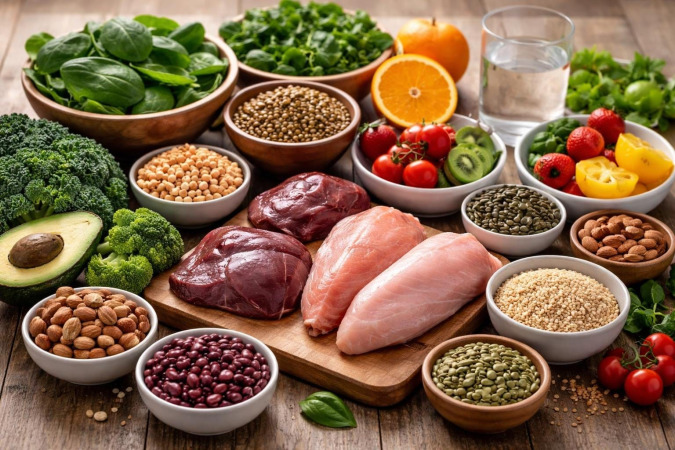
Top heme iron sources include:
Beef liver (5 mg per 3 oz)
Oysters (8 mg per 3 oz)
Beef chuck roast (3 mg per 3 oz)
Chicken liver (11 mg per 3 oz)
Sardines (2 mg per 3 oz)
Valuable non-heme iron sources include:
Fortified breakfast cereals (18 mg per serving)
White beans (8 mg per cup)
Lentils (6.6 mg per cup)
Spinach (6.4 mg per cup, cooked)
Firm tofu (6.6 mg per half cup)
Foods That Enhance Iron Absorption
Vitamin C significantly increases your body’s ability to absorb non-heme iron when consumed in the same meal. Pairing iron-rich foods with citrus fruits, tomatoes, bell peppers, or strawberries can double or triple absorption rates.
Avoid coffee, tea, and calcium-rich foods within two hours of iron-rich meals. These contain compounds that bind to iron and prevent absorption.
Daily Meal Planning Strategies
Meal
Sample Options
Breakfast
Fortified cereal with strawberries, or scrambled eggs with bell peppers and orange juice
Lunch
Spinach salad with grilled chicken and lemon dressing, or lentil soup with tomatoes
Dinner
Beef stir-fry with broccoli, or baked salmon with roasted Brussels sprouts
Snacks
Dried apricots with almonds, or hummus with red pepper strips
Space your meals 3-4 hours apart to maintain steady iron intake throughout the day. Include a vitamin C source with every meal containing plant-based iron. Cook using cast iron cookware to add small amounts of iron to your food, especially when preparing acidic dishes like tomato sauce.
Foods and Habits to Avoid for Anemia Management
Certain foods and beverages can significantly reduce your body’s ability to absorb iron, while poor eating patterns may worsen anemia symptoms.
Inhibitors of Iron Absorption
Several compounds in foods actively block iron absorption in your digestive system. Phytates, found in whole grains, legumes, and nuts, bind to iron and prevent your body from using it effectively. Tannins in tea and wine create similar problems.
Oxalates in spinach, rhubarb, and chocolate also interfere with iron uptake. While these foods offer other nutritional benefits, you should avoid consuming them with iron-rich meals.
Polyphenols present in coffee, certain fruits, and vegetables can reduce iron absorption by up to 50-90%. You should separate consumption of these foods from your main iron sources by at least two hours.
Calcium competes with iron for absorption in your intestines. This includes both calcium supplements and calcium-rich foods when eaten alongside iron sources.
Impact of Caffeine and Dairy
Coffee and tea contain compounds that significantly impair iron absorption when consumed with meals. A single cup of coffee can reduce iron absorption by approximately 39%, while tea may decrease it by up to 64%.
You should wait at least one hour before or two hours after meals to consume these beverages. Black tea poses a greater risk than green or white tea due to higher tannin content.
Dairy products present a dual challenge for iron absorption. The high calcium content in milk, cheese, and yogurt directly competes with iron in your digestive tract. Casein, a protein in dairy, also binds to iron and reduces its availability.
You don’t need to eliminate dairy entirely, but avoid combining it with iron-rich foods during the same meal.
Common Dietary Mistakes
Skipping meals or eating irregularly reduces your total iron intake and compromises absorption efficiency.
Relying heavily on processed foods limits your access to bioavailable iron and essential nutrients needed for red blood cell production. These foods often contain additives and preservatives that may further inhibit nutrient absorption.
Excessive fiber intake at mealtimes can decrease iron absorption, particularly from supplements. Spreading your intake throughout the day rather than concentrating it with iron sources improves absorption.
Consuming antacids or proton pump inhibitors regularly changes your stomach’s pH level, which your body needs to properly absorb iron. If you require these medications, discuss timing strategies with your healthcare provider.