Tea Tree Shampoo Benefits
When you buy through links on our site, we may earn an affiliate commission at no additional cost to you (learn more)
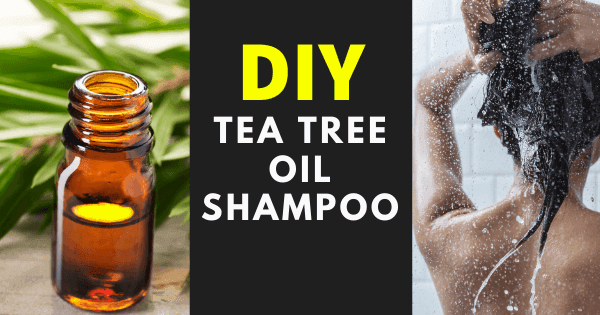
Shampoos that include tea tree oil have many benefits for your hair and scalp. As a natural antiseptic, tea tree oil is known for properties such as killing certain fungi and bacteria and reducing inflammation. Tea tree shampoo is a reasonable option if you have an itchy scalp, dandruff, or mild scalp infections.
Native to Australia, the Melaleuca alternifolia plant produces tea tree oil. Indigenous Australians used the oil traditionally for wound care and skin problems. Today, research and clinical use support many of those same topical applications for scalp health.
Heal Your Scalp with Tea Tree Shampoo
The skin on your head is thin and sensitive, so it can develop irritation, flaking, and infections more easily than other skin. Common scalp conditions include dandruff (also called seborrheic dermatitis), psoriasis, and eczema.
Scientists believe dandruff may be linked to a yeast-like fungus called Malassezia that lives on the scalp. Studies suggest tea tree oil has antifungal actions that can reduce Malassezia and improve visible flaking and itching.
Tea tree oil also has mild anti-inflammatory effects, which can help reduce redness and irritation associated with scalp psoriasis and eczema when used appropriately. It is not a cure for these chronic conditions but can provide symptomatic relief for some people.
Other Benefits of Tea Tree Shampoos
Tea tree shampoos are used for several scalp and hair issues beyond dandruff. Evidence and clinical reports suggest benefits for:
- Reducing itch and flaking caused by fungal or yeast overgrowth.
- Helping control bacteria on the scalp that can worsen inflammation and odor.
- Supporting lice treatment when combined with complementary oils; some small studies show tea tree plus lavender oils may be as effective as common over-the-counter lice treatments.
- Offering a gentle cleanse that may reduce oiliness for people with seborrheic tendencies.
Because tea tree oil targets microbes, it can also help lower the risk of secondary infections that occur when scratching damages the scalp.
How to Use Tea Tree Shampoo Safely
Tea tree oil is concentrated and should be used in diluted form. Most commercial tea tree shampoos already contain safe dilutions, but you can also add a small amount to your regular shampoo.
- Start with a patch test: place a drop of diluted product on the inside of your forearm and wait 24 hours for any redness or itching.
- If using a pure essential oil, dilute to about 5% in shampoo. A practical guide is roughly 5 milliliters of tea tree oil per 100 milliliters of shampoo. For essential oils, lower concentrations (1–2%) are safer for sensitive skin.
- Massage shampoo into the scalp and leave it on for 2–5 minutes before rinsing to give the active compounds time to work.
- Use 1–3 times per week depending on severity. Overuse can dry the scalp and hair, so reduce frequency if you notice increased dryness or irritation.
For lice treatment, follow a product-specific protocol or combine tea tree oil with carrier oils like coconut oil for a pre-shampoo treatment, then use a fine-toothed comb to remove nits.
Choosing a Good Commercial Tea Tree Shampoo
When buying a ready-made product, look for these features:
- Clear listing of tea tree oil (Melaleuca alternifolia) in the ingredient list.
- A moderate concentration—many effective shampoos contain 1–5% tea tree oil or an equivalent extract.
- No harsh sulfates if you have a sensitive or already-dry scalp; look for gentle surfactants instead.
- Minimal synthetic fragrances to reduce the risk of irritation.
Organic or sustainably sourced tea tree oil brands may offer better quality, but ingredient transparency is the most important factor.
Who Should Avoid Tea Tree Shampoo
Tea tree oil is safe for most people when diluted, but some should avoid or use extra caution:
- People with very sensitive skin or known allergies to essential oils—perform a patch test first.
- Those with broken skin or open wounds on the scalp—wait until the skin heals or use products specifically formulated for compromised skin.
- Young children and infants—use pediatric-approved products and consult a pediatrician before using essential oils on children.
- Anyone experiencing signs of allergic contact dermatitis—stop use immediately and seek medical advice if rash, swelling, or burning occurs.
If you have persistent scalp disease (severe psoriasis, chronic eczema, or ongoing infections), check with a dermatologist before starting tea tree treatments. It may be a helpful adjunct but not a replacement for prescription therapies when those are needed.
Practical Tips and Pro-Tips
- Store tea tree oil away from heat and light to preserve its activity.
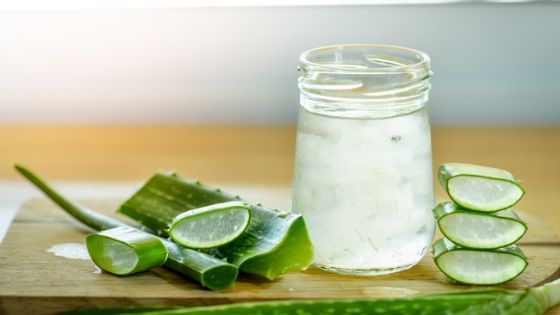
- Combine tea tree oil with moisturizing ingredients like aloe vera or coconut oil if your scalp tends to be dry.
- Rotate products if you notice diminished effectiveness over time; microbial communities can adapt, and alternating treatments helps.
Quick Summary
Tea tree shampoo can reduce dandruff, calm mild scalp inflammation, and help control lice and microbial overgrowth. Studies suggest it has antifungal, antibacterial, and anti-inflammatory properties that explain these effects.
Use diluted products, perform patch tests, and follow product directions. Consult a healthcare provider for severe or persistent scalp conditions.