How to Use Tea Tree Oil for Hives
Using Tea Tree OIl for Hives
When you buy through links on our site, we may earn an affiliate commission at no additional cost to you (learn more)
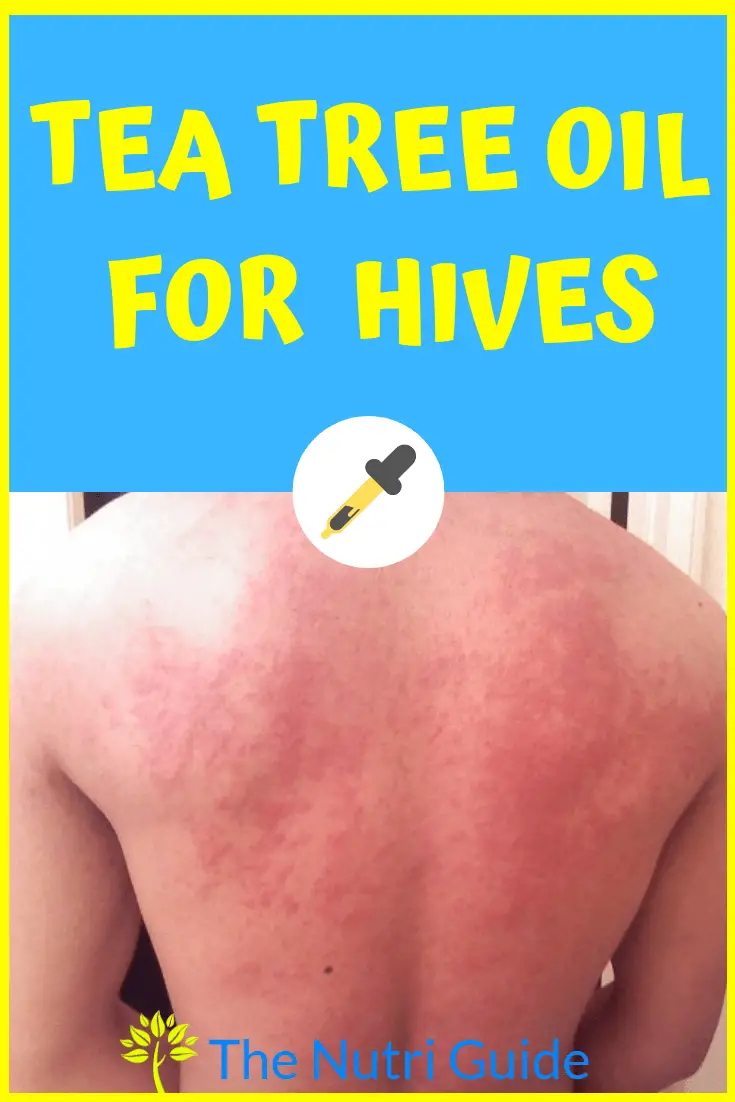
Hives are red, itchy, raised bumps that appear on your skin unexpectedly. Most often, hives are a sign you are having an allergic reaction, but environmental conditions can also cause them. If you get hives regularly, you know how important it can be to have a trusted, reliable treatment for these unsightly splotches and their accompanying effects.
What are Hives?
Hives are visible reactions to allergens, infection, or stress. Nearly one in five people will have hives at some point in their life, so it can be helpful to have a natural treatment handy that you know is effective at reducing the appearance of these skin irritations. Doctors refer to hives as urticaria, and they are usually red or white bumps that appear very suddenly and can be very itchy. Hives can last a very short time or stick around for weeks or even months.
Most people experience hives as part of an allergic reaction to food, medication, insect venom, or some other allergen. Hives can also occur because of stress, and because hives themselves can be stressful to have to manage, getting hives often induces even more anxiety, which makes the hives worse.
Treating hives means eliminating the source of the reaction as well as lowering stress and reducing the itchiness of the bumps until the hives disappear on their own. Using essential oils, such as tea tree oil, is one way to help alleviate the itchiness and appearance of hives while also lowering stress.
The Benefits of Tea Tree Oil
Tea tree oil is used widely in skin applications for its antiseptic and antimicrobial properties. This essential oil is also an excellent anti-inflammatory, which means it can calm the histamine reactions that cause hive breakouts. It also greatly enhances the healing process, which means your skin will be looking great again in no time.
Because of its antibacterial compounds, tea tree oil is also helpful for treating skin that has already been scratched and therefore prone to a secondary infection. This natural oil places a protective barrier onto your skin’s surface, so it protects even when you cannot resist the urge to scratch. This protective barrier of oil is also effective at protecting your skin from sunburns.
Using Tea Tree Oil For Hives
There are several strategies that are effective for using tea tree oil to treat hives. Here are a few favorites.
#1. Rinse the hives with cool water. Mix a few drops of tea tree oil with a neutral carrier oil, then dab onto your hives using a cotton square.
#2. If hives affect a larger portion of your skin’s surface, you can add up to 30 drops of tea tree essential oil to bathwater that contains oatmeal. Be sure the water is just warm, not overly hot. Soak for up to 20 minutes, then pat your skin dry.
#3. To calm itchiness, create a compress using tea tree oil. Start with a clean cloth, then place it in a bowl of cool water that has been infused with five drops of tea tree oil. Soak the fabric thoroughly, wring out all the water, then place it over the hives. Allow the compress to sit until it reaches body temperature, then repeat until the itching subsides.
#4. To reduce stress and calm inflammation, you can use tea tree oil in your air diffuser.
If you choose to use tea tree oil topically, be sure to test a small patch of skin first before applying to irritated or broken skin. Tea tree oil can be very irritating to some people, so be sure you know how your skin will react before using it on any sensitive areas or hives.
Other Essential Oils For Hives
Lavender Oil
Lavender Oil is known for its cooling effect and antiseptic properties that help to protect the skin from common irritants and infections that cause hives. Lavender oil can be used either topically in a bath.
Lavender Oil
Lemon oil is known for its beautiful smell and anti-inflammatory and anti-oxidant properties. This oil is especially effective when treating hives caused by bug bites. Always dilute lemon oil with a carrier oil before use.
Peppermint Oil
The menthol in peppermint oil can cool down inflamed and itchy skin. Peppermint oil is extremely potent and should not be used directly on your skin. We recommend mixing peppermint oil with coconut oil for an effective hives solution
Related Posts