Essential Oils for Folliculitis (Razor Burn): Naturally Prevent Irritation
When you buy through links on our site, we may earn an affiliate commission at no additional cost to you (learn more)
From time to time we all get minor skin irritations and rashes that show up as red, bumpy skin. Sometimes these bumps are caused by a mild infection of the hair follicles called folliculitis. Many people find relief using essential oils alongside basic skin care and hygiene.
Understanding Folliculitis
Folliculitis is an infection or inflammation of one or more hair follicles. Because humans have over five million hair follicles, this condition can happen almost anywhere on the body. It is most common in areas that get friction, such as the legs, beard area, and underarms.
Typical symptoms include:
- Itchy, irritated skin
- Sore or tender patches
- Red bumps or pustules that may be filled with pus
- Clusters of small inflamed bumps around hair follicles
When caused by infection the usual culprits are bacteria or fungi. Mild cases often clear within a few days. More severe or repeated cases can lead to scarring or permanent hair loss and may need medical treatment.
Common triggers include tight clothing that traps sweat, shaving against the grain, contaminated water such as poorly maintained hot tubs, and certain health conditions like diabetes or weakened immunity.
How Essential Oils Can Help
Many essential oils have antimicrobial and anti-inflammatory properties. Studies suggest oils such as tea tree can reduce levels of skin bacteria, including some strains of Staphylococcus.
Used correctly, essential oils may help by:
- Targeting bacteria or fungi that cause the infection
- Reducing redness and swelling
- Soothing itching and discomfort
- Supporting faster skin healing when combined with good wound care
Evidence is not the same as certainty. Essential oils can assist in mild cases and as an adjunct to care, but persistent, spreading, or painful infections require medical evaluation.
Tea Tree Oil for Folliculitis
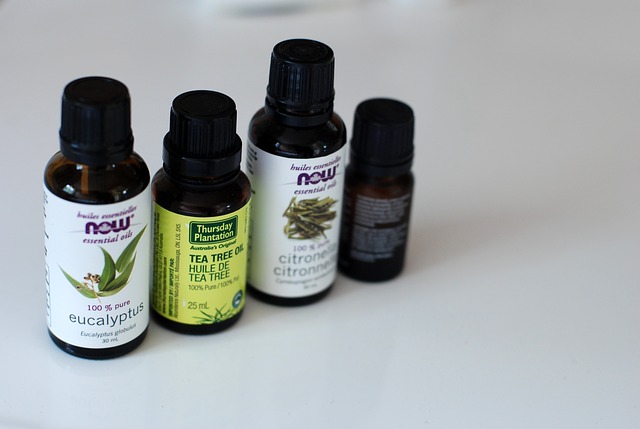
Tea tree oil is one of the most studied oils for skin infections. Research shows tea tree oil has antibacterial and antifungal activity against common skin microbes. Because of this, it is often recommended for mild bacterial folliculitis and razor burn.
Always dilute tea tree oil in a carrier oil before applying to skin to reduce the risk of irritation. You can also add a few drops to shampoo for scalp folliculitis.
Geranium, Grapefruit Seed, and Others
Geranium and grapefruit seed oils have antimicrobial properties and are often used with tea tree for broader coverage against bacteria, including some resistant strains.
Other useful oils include thyme, lavender, and bergamot. Lavender is known for calming skin and supporting tissue repair. Thyme has strong antimicrobial effects but can be irritating and should be used in smaller amounts.
Safe Application and Dilution
Safety is critical when using essential oils on infected or inflamed skin. Follow these basic rules:
- Perform a patch test: Apply the diluted oil to a small patch of skin and wait 24 hours for a reaction.
- Don’t apply undiluted (neat) essential oils directly to skin; they can cause burns or allergic reactions.
- Avoid essential oils on open, weeping wounds unless advised by a healthcare professional.
- If you are pregnant, nursing, a child, or have a chronic illness, check with your healthcare provider before using essential oils.
Recommended dilution guidelines:
- Face or sensitive skin: 0.5% to 1% (about 3 to 6 drops per 30 ml/1 fl oz carrier oil)
- Smaller local areas (adult): 1% to 2% (6 to 12 drops per 30 ml)
- Larger body areas: 2% to 3% (12 to 18 drops per 30 ml)
Some oils have special cautions. For example, bergamot can be phototoxic and may increase sun sensitivity. Thyme is potent and may cause irritation if overused. Stop use if irritation or worsening occurs.
Practical Ways to Use Essential Oils
Simple, safe methods include:
- Warm compress: Add 2 to 4 drops of diluted essential oil to a bowl of warm water, soak a clean cloth, and apply for 10 to 15 minutes. Repeat 2–3 times daily.
- Topical application: Mix essential oil into a carrier oil (coconut, jojoba, or neem) at the recommended dilution and apply with clean fingers or a cotton pad to affected follicles once or twice daily.
- Bath: Add diluted essential oil (mixed first with carrier oil) to a warm bath for widespread folliculitis. Use only small amounts and limit time in water to avoid skin drying.
When to See a Doctor
Essential oils are not a substitute for medical care when infections are severe. See a healthcare professional if you notice any of the following:
- Rapidly spreading redness or swelling
- Fever or feeling unwell
- Painful nodules or large boils
- Recurring flare-ups or signs of scarring
- No improvement after a few days of proper care
Medical treatment can include prescription topical or oral antibiotics, antifungal medications, drainage of large lesions, and guidance on preventing recurrence.
Summary
Essential oils such as tea tree, geranium, lavender, thyme, and grapefruit seed can support healing in mild folliculitis thanks to antimicrobial and anti-inflammatory properties. Use them diluted, perform patch tests, and avoid applying neat oils to broken skin.
If symptoms are severe, spreading, or persistent, seek medical care. Combining safe essential-oil use with good hygiene and prevention steps often brings relief for mild cases.
Sources