Jasmine Oil for Skin: Naturally Improve Your Skin
When you buy through links on our site, we may earn an affiliate commission at no additional cost to you (learn more)
The alluring aroma of jasmine is well known for lifting mood and easing stress. Less known is that jasmine essential oil also offers several skin benefits supported by laboratory and animal studies. Used properly, it can help soothe inflammation, support wound healing, and improve skin texture.
What is Jasmine Oil?
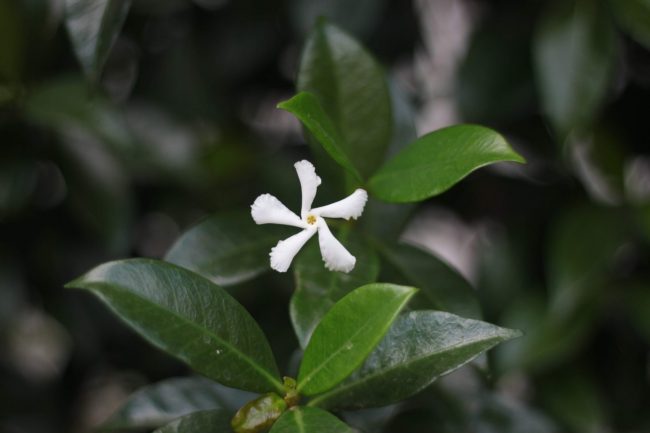
Jasmine oil is a concentrated extract from jasmine flowers, most commonly Jasminum grandiflorum or J. officinale. The oil contains natural compounds such as benzyl acetate and linalool, which have calming scents and biological activity. In simple terms, these compounds can help calm the skin and may protect it against microbes and oxidative damage (damage from free radicals).
Traditional medicine has used jasmine for emotional and skin care for centuries. Modern studies suggest jasmine extracts can support wound healing and act against some skin microbes, though most human research is limited and often uses extracts at controlled doses.
Skin Benefits of Jasmine Oil
Jasmine oil can address multiple skin concerns at once because of its mix of soothing, antimicrobial, and antioxidant properties. It is typically gentle when diluted and can be adapted for many skin types.
- Wound healing: Studies in animals show jasmine extracts may speed wound closure and tissue repair, likely by supporting collagen formation and reducing inflammation.
- Antimicrobial effects: Lab research shows jasmine and some commercial essential oils can reduce certain bacteria and fungi that contribute to skin infections and acne.
- Moisture and elasticity: Jasmine can help skin feel softer and may support collagen production, which helps skin elasticity and reduces the look of fine lines.
- Soothing sensitive or irritated skin: Its anti-inflammatory compounds can calm redness and irritation from dryness, eczema, or shaving.
- Scar and stretch mark appearance: Regular, gentle use of diluted jasmine oil may improve the look of scars or stretch marks over time by supporting skin repair and moisturizing the area.
How to Use Jasmine Oil Safely
Essential oils are highly concentrated and must be used with care. Always dilute jasmine oil before applying it to the skin and do a small patch test first to check for sensitivity.
- Dilution: For most adults, mix 1 drop of jasmine oil into 4–5 teaspoons (20–25 ml) of carrier oil (like jojoba, sweet almond, or fractionated coconut oil) for a low but effective dilution. For facial use, 0.5–1% dilution is common (about 1 drop per teaspoon of carrier oil).
- Patch test: Apply a small amount of the diluted oil to the inside of your forearm. Wait 24 hours. If there is no redness, burning, or itching, it is likely safe to use more broadly.
- Avoid eyes and mucous membranes: Never apply jasmine oil near the eyes, inside the nose, or on broken skin without professional guidance.
- Frequency: Start with once daily and observe how your skin responds. If tolerated, you can use it twice daily on targeted areas.
Simple Ways to Add Jasmine Oil to Your Routine
You can add jasmine oil to your skincare in small amounts. Keep the dilution low and integrate it into existing products rather than replacing them.
- Add 1 drop of jasmine oil to a teaspoon of your regular moisturizer before applying to the face.
- Mix a few drops into a body oil or lotion to help with dry patches, scars, or stretch marks.
- For acne-prone skin, combine 1 drop with 1 teaspoon of carrier oil and apply only to active spots after a patch test.
- Use a few drops in a warm bath (diluted in a tablespoon of carrier oil first) to soothe the skin and relax the mind.
Safety Precautions and Who Should Avoid Jasmine Oil
While jasmine oil is gentle for many people when diluted, precautions are important because essential oils can cause allergic reactions and interact with health conditions.
- Pregnancy and breastfeeding: Some sources advise caution with many essential oils during pregnancy and breastfeeding. Consult your healthcare provider before using jasmine oil if you are pregnant or nursing.
- Children: Use lower dilutions for children and only after consulting a pediatrician. Some oils are not recommended for infants and young children.
- Allergies and sensitive skin: If you have a history of allergic reactions to fragrances or botanicals, avoid direct use or consult a dermatologist first.
- Medication interactions: Essential oils are not inert. If you take prescription medicines or have significant health conditions, check with your healthcare provider before starting regular topical use.
What the Research Says
Laboratory and animal research supports some of jasmine oils traditional uses, such as wound healing and antimicrobial activity. For example, a study in diabetic rats found jasmine flower extract helped wounds heal faster, likely by reducing inflammation and supporting collagen formation (Hirapara et al., 2017).
Other reviews of commercial essential oils note potential antimicrobial properties that may be useful for skin conditions, though human clinical trials using standardized jasmine oil doses are limited (Orchard & van Vuuren, 2017).
In short, studies suggest benefits but more high-quality human research is needed to confirm optimal doses and long-term safety for skin use.
Sources