Raw Beeswax for Skin and Acne — Treat Your Skin Naturally
When you buy through links on our site, we may earn an affiliate commission at no additional cost to you (learn more)
Raw beeswax is a time-tested ingredient in balms and creams. Many people use it for lip care, but it can also help support healthy skin and reduce common acne-related issues when used correctly. The wax contains natural compounds that hydrate, protect, and support the skin barrier.
What is Beeswax?
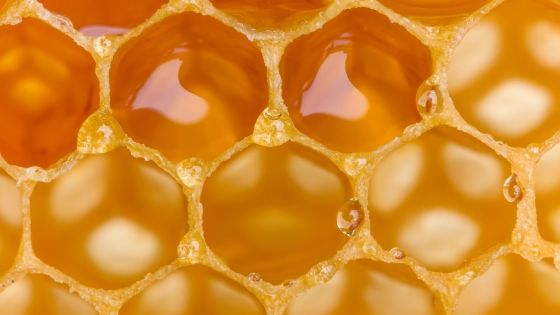
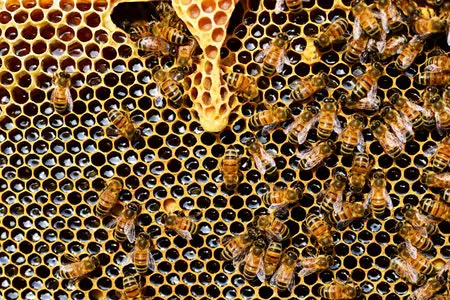
The worker bees in a hive produce beeswax to build honeycomb. That wax is mainly natural esters, fatty acids, and long-chain alcohols. These compounds form a gentle, breathable barrier on the skin that helps retain moisture.
Beeswax is typically cleaned, melted, and filtered before use in skincare. The end product keeps many of the original compounds intact, which is why raw beeswax still offers benefits for topical use.
Skin Benefits of Beeswax
Beeswax contains small amounts of Vitamin A, which helps support cell turnover. Studies suggest Vitamin A supports skin renewal and can improve texture over time.
The wax also has mild antimicrobial properties. Research indicates mixtures containing beeswax can help limit growth of some bacteria and fungi, which matters for acne because microbes can worsen breakouts.
Beeswax is an effective emollient and humectant. In plain terms, it helps lock in moisture and attracts water to the skin surface, improving hydration without feeling greasy.
Unlike heavier occlusives, properly formulated beeswax products are non-comedogenic for many people, which means they are less likely to block pores. The wax also provides a physical protective layer that helps shield skin from pollutants and irritants while still allowing the skin to breathe.
Practical benefits at a glance
- Supports skin hydration and barrier repair
- Provides mild antimicrobial action
- Helps reduce water loss without heavy greasiness
- Suitable for many sensitive skin types
How to Use Beeswax for Skin and Acne
You can buy raw beeswax and blend it with other skin-friendly ingredients to make simple, effective preparations at home. Below are two easy recipes and clear usage tips.
Natural Beeswax Moisturizer
Combine 1 tablespoon beeswax with 1/2 tablespoon extra virgin olive oil and 2 tablespoons coconut oil in a small saucepan. Warm gently over low heat until melted, then remove from heat. Add 2 crushed Vitamin E capsules and stir. Pour into a clean jar and let cool. Use a small amount on dry areas as needed.
DIY Natural Acne Spot Balm
In a saucepan, melt 2 tablespoons beeswax with 2 tablespoons shea butter and 1 tablespoon coconut oil over low heat. Remove from heat and add 20 drops tea tree essential oil, 10 drops lavender essential oil, and 6 drops each rosemary and eucalyptus essential oils. Stir, then pour into small containers. Apply a small dot to blemishes once daily. Stop use if irritation occurs.
Safety Precautions
Beeswax is well tolerated by many people, but take simple precautions.
- Patch test new products on a small area for 24–48 hours before wider use.
- Avoid essential oils on broken skin; they can irritate open wounds.
- People with bee allergies should consult a healthcare professional before topical use.
- If redness, itching, or swelling develops, discontinue use and seek advice.
How Beeswax Fits Into an Acne Routine
Beeswax is not an acne cure by itself. Instead, it serves as a supportive ingredient that helps keep skin balanced while other active acne treatments work.
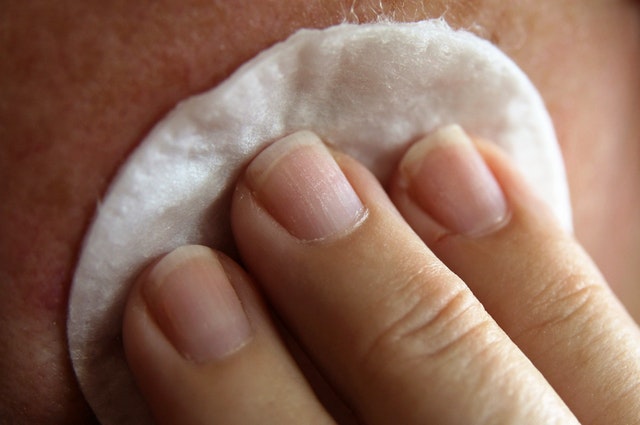
Use beeswax-containing moisturizers after water-based treatments such as benzoyl peroxide or topical retinoids. That helps reduce dryness and irritation while allowing the acne medicine to remain effective. If you use prescription topical treatments, check with your clinician about combining them with new over-the-counter balms.
Choosing Quality Beeswax
Look for raw, unrefined beeswax where possible. Raw beeswax often retains more of the natural compounds that benefit skin.
Avoid products with unnecessary fragrances, synthetic oils, or high percentages of mineral oil if you have sensitive or acne-prone skin. Read labels and choose simple formulations.
Sources
These references support the antimicrobial and skin-supporting properties of bee products. If you have persistent acne, consult a dermatologist for a tailored treatment plan.