Herbs for Ear Ringing: Natural Remedies to Reduce Tinnitus Symptoms
Table of Contents
When you buy through links on our site, we may earn an affiliate commission at no additional cost to you (learn more)
Ear ringing, medically known as tinnitus, affects millions of people and can range from a minor annoyance to a condition that significantly impacts daily life. While conventional treatments exist, many people seek natural alternatives to complement their care approach.
Several herbs have shown promise in traditional and clinical settings for managing ear ringing symptoms, including ginkgo biloba, garlic, and turmeric. These botanicals work through various mechanisms, such as improving blood circulation to the ear, reducing inflammation, or supporting overall auditory health.
Understanding which herbs may help your specific situation requires knowledge of what causes your ear ringing and how different plants interact with your body. This article explores the connection between certain herbs and ear health, along with practical guidance on safe usage and realistic expectations.
Understanding Ear Ringing and Its Causes
Ear ringing stems from various medical conditions, physical damage, and daily habits that affect your auditory system. The underlying causes range from temporary noise exposure to chronic health conditions requiring medical attention.
What Is Ear Ringing (Tinnitus)?
Tinnitus is the perception of sound in your ears or head when no external sound source exists. You may hear ringing, buzzing, hissing, clicking, or roaring sounds that vary in pitch and intensity.
The condition affects approximately 10-15% of adults worldwide. Your tinnitus can be subjective (only you hear it) or objective (a doctor can detect it during examination). Subjective tinnitus accounts for about 95% of cases.
You might experience tinnitus in one ear, both ears, or perceive it as originating from inside your head. The sounds can be constant or intermittent, and the volume may fluctuate throughout the day.
Common Medical Causes of Ear Ringing
Age-related hearing loss (presbycusis) typically begins after age 60 and damages the cochlear hair cells in your inner ear. This natural deterioration is one of the most frequent causes of persistent tinnitus.
Exposure to loud noise damages the delicate hair cells in your cochlea, whether from a single traumatic event or prolonged exposure. Construction workers, musicians, and military personnel face higher risk.
Ear infections and blockages create pressure changes that trigger tinnitus. Earwax buildup, fluid from infections, or dirt trapped in your ear canal can cause temporary ringing until cleared.
Meniere’s disease affects your inner ear and causes tinnitus alongside vertigo, hearing loss, and ear pressure. Ototoxic medications, including certain antibiotics, chemotherapy drugs, and high doses of aspirin, can damage your inner ear structures.
Other medical causes include head or neck injuries, acoustic neuromas, TMJ disorders, and cardiovascular conditions that affect blood flow to your ears.
How Lifestyle Factors Contribute to Ear Ringing
Your daily caffeine and alcohol consumption can worsen tinnitus symptoms by affecting blood flow to your inner ear. High caffeine intake stimulates your nervous system, while alcohol changes the fluid composition in your inner ear.
Stress and anxiety intensify your perception of tinnitus through multiple mechanisms. When you’re stressed, your body releases cortisol, which can affect auditory processing and make you more aware of the ringing.
Smoking restricts blood flow to the sensitive cells in your ears and damages the neurotransmitters involved in hearing. Your sleep patterns also play a role—poor sleep quality makes you more sensitive to tinnitus, while tinnitus can disrupt your sleep, creating a difficult cycle.
Dietary factors like high salt intake increase fluid retention and blood pressure, potentially worsening symptoms in some individuals.
Herbs for Managing Ear Ringing
Several herbs have been studied for their potential to reduce tinnitus symptoms through improved blood circulation, reduced inflammation, and nervous system support. Each herb works through different mechanisms that may address underlying factors contributing to ear ringing.
Ginkgo Biloba for Circulation and Ear Health
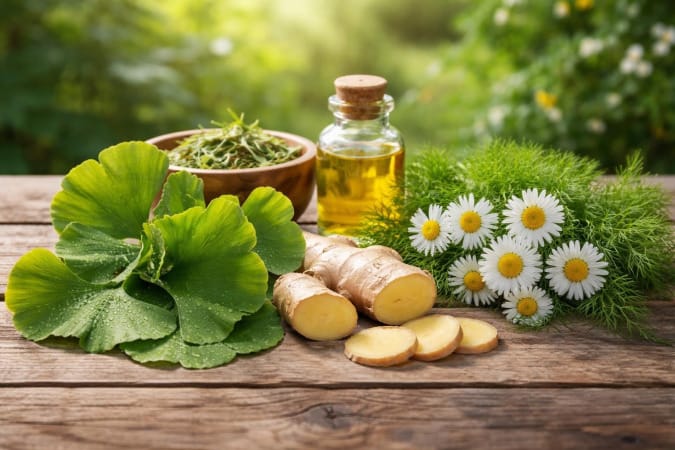
Ginkgo biloba is one of the most researched herbs for tinnitus management. It works by improving blood flow to your inner ear and brain, which may help reduce ringing sensations caused by poor circulation.
The typical dosage is 120 to 240 mg of standardized extract daily, divided into 2 or 3 doses. You should look for supplements containing 24% flavone glycosides and 6% terpene lactones.
Key benefits include:
Enhanced microcirculation in the inner ear
Antioxidant protection for auditory cells
Potential reduction in tinnitus intensity
Some studies suggest you may need to take ginkgo biloba consistently for 8 to 12 weeks before noticing improvements. Not everyone responds to this herb, and results vary based on the underlying cause of your tinnitus.
Ginger’s Effects on Inflammation
Ginger contains compounds called gingerols and shogaols that provide anti-inflammatory effects. These compounds may help if your ear ringing stems from inflammation in the auditory system or surrounding tissues.
You can consume ginger fresh, dried, or as a supplement. A common approach involves taking 1 to 3 grams of fresh ginger daily or 250 to 500 mg of standardized extract.
Ginger also supports healthy circulation, which complements its anti-inflammatory properties. This dual action may benefit your overall ear health by reducing swelling and improving blood flow to auditory structures.
The herb is generally well-tolerated, though you should start with lower doses to assess your tolerance. You can add fresh ginger to tea or meals as a gentler introduction.
Lemon Balm and Nervous System Support
Lemon balm offers calming properties that may help you manage the stress and anxiety often associated with chronic tinnitus. This herb doesn’t necessarily reduce the physical cause of ear ringing but can make symptoms more manageable.
The herb contains compounds that affect GABA receptors in your brain, promoting relaxation without sedation. Typical dosages range from 300 to 600 mg of dried leaf extract taken one to three times daily.
Lemon balm may help you:
Reduce stress-related tinnitus aggravation
Improve sleep quality despite ear ringing
Decrease anxiety about symptoms
You can also consume lemon balm as a tea by steeping 1 to 2 teaspoons of dried leaves in hot water. This approach provides milder effects suitable for daily use.
Lavender
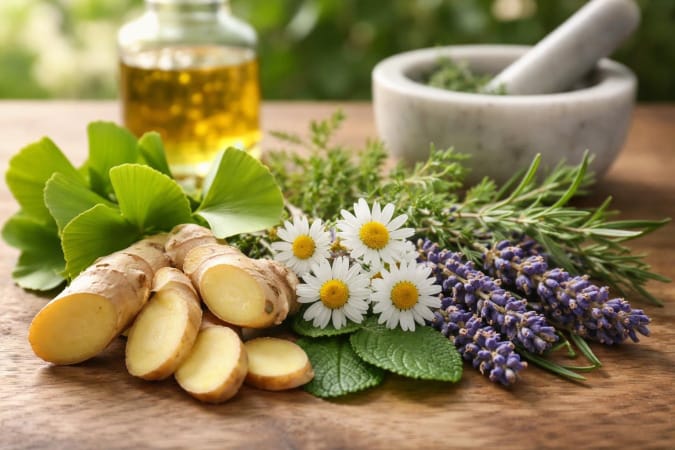
The calming properties of lavender oil are widely recognized for their ability to help alleviate stress and promote relaxation. This stress relief can have a positive impact on overall well-being, including potentially reducing the severity of tinnitus symptoms. Incorporating lavender oil into a daily routine or using it in aromatherapy may offer additional benefits for those seeking natural ways to manage their condition.
Turmeric as a Natural Anti-Inflammatory
Turmeric contains curcumin, a powerful anti-inflammatory compound that may address inflammation-related tinnitus. Curcumin works by inhibiting inflammatory pathways in your body, potentially reducing swelling in auditory structures.
The challenge with turmeric is bioavailability. Your body doesn’t absorb curcumin efficiently on its own, so you should look for supplements that include black pepper extract (piperine) or are formulated as liposomal curcumin.
Effective dosages typically range from 500 to 2,000 mg of curcumin daily. You need to take turmeric consistently for several weeks to experience its full anti-inflammatory benefits.
Beyond inflammation reduction, turmeric provides antioxidant protection that may support overall ear health. You can incorporate turmeric into your diet through cooking, though therapeutic amounts usually require supplementation.
Precautions and Integrating Herbs Into Ear Care
Herbal remedies for ear ringing require careful consideration of safety profiles, professional medical guidance, and proper integration with existing treatments. Understanding these elements helps you use herbs effectively while minimizing risks.
Safety Considerations and Potential Side Effects
Herbs can interact with medications and cause adverse reactions in certain individuals. Ginkgo biloba may increase bleeding risk, especially if you take anticoagulants or antiplatelet drugs. It can also cause headaches, digestive upset, or allergic skin reactions in some people.
Black cohosh may affect liver function and is not recommended if you have liver disease. Garlic supplements in high doses can thin your blood and interfere with clotting.
Common side effects to monitor include:
Digestive issues (nausea, diarrhea, stomach pain)
Allergic reactions (rash, itching, swelling)
Headaches or dizziness
Sleep disturbances
Pregnant or breastfeeding women should avoid most herbal supplements unless approved by their healthcare provider. Children require different dosing considerations and should not take adult herbal formulations.
Always start with the lowest recommended dose to assess your tolerance. Stop using any herb immediately if you experience concerning symptoms.
Consulting Healthcare Professionals
You should consult a doctor before starting herbal treatments for tinnitus, particularly if you have underlying health conditions. Your physician can evaluate whether ear ringing stems from a treatable medical condition like infection, impacted earwax, or Meniere’s disease.
An audiologist can perform hearing tests to assess any hearing loss associated with your tinnitus. A qualified herbalist or naturopathic doctor can recommend appropriate herbs and dosing based on your specific situation.
Inform all healthcare providers about every supplement you take. This includes herbs, vitamins, and over-the-counter products. Many people don’t realize that “natural” doesn’t mean safe or free from interactions.
Keep a symptom journal tracking when you take herbs and any changes in your ear ringing. This documentation helps healthcare providers assess effectiveness and adjust your treatment plan.
Combining Herbal Remedies With Conventional Treatments
Herbal supplements can complement conventional tinnitus management when used appropriately. Many people use herbs alongside sound therapy, hearing aids, or cognitive behavioral therapy.
Timing matters when combining herbs with medications. Take ginkgo biloba at least two hours apart from aspirin or other blood thinners to reduce interaction risks. Some herbs may affect how your body processes prescription drugs by influencing liver enzymes.
Integration strategies include:
Using herbs to support overall ear health while continuing prescribed medications
Adding anti-inflammatory herbs to complement conventional anti-inflammatory treatments
Employing stress-reducing herbs like ashwagandha alongside relaxation techniques
Work with your healthcare team to develop a comprehensive approach that safely incorporates both conventional and herbal options.