Olive Oil For Ear Ache: A Gentle Home Remedy That Soothes Pain
Table of Contents
When you buy through links on our site, we may earn an affiliate commission at no additional cost to you (learn more)
Ear pain can make it hard to focus, sleep, or even relax. Many people look for simple ways to ease the discomfort before seeing a doctor. Olive oil can help soothe mild ear aches by softening earwax and providing gentle moisture to the ear canal.
This natural remedy has been used for generations and remains a common choice for those wanting quick, gentle relief at home. While olive oil may help with certain causes of ear ache, it’s not right for every situation. Understanding when it helps—and when professional care is needed—can keep small problems from turning into something serious.
How Olive Oil Can Help With Ear Ache
Olive oil may ease mild ear discomfort by softening hardened earwax, calming inflamed tissue, and reducing dryness in the ear canal. Its gentle composition makes it a simple option for people looking for mild, at-home relief.
Natural Soothing Properties
Olive oil contains fatty acids and antioxidants that can reduce irritation in the ear canal. These compounds help soothe the skin and may lessen inflammation caused by minor ear irritation. Because it’s naturally moisturizing, olive oil can also keep the ear canal from drying out, which can help lower sensitivity.
Its texture allows it to coat the lining of the ear canal lightly. This coating can protect against further dryness or minor friction that worsens discomfort. Many people find that the gentle warmth of slightly warmed olive oil provides extra comfort and helps loosen earwax naturally.
Using olive oil safely matters more than how often it’s used. Always use clean, high-quality oil, ideally extra-virgin olive oil, to reduce the risk of introducing bacteria. Before applying, the oil should be warmed to body temperature—never hot—to prevent burns.
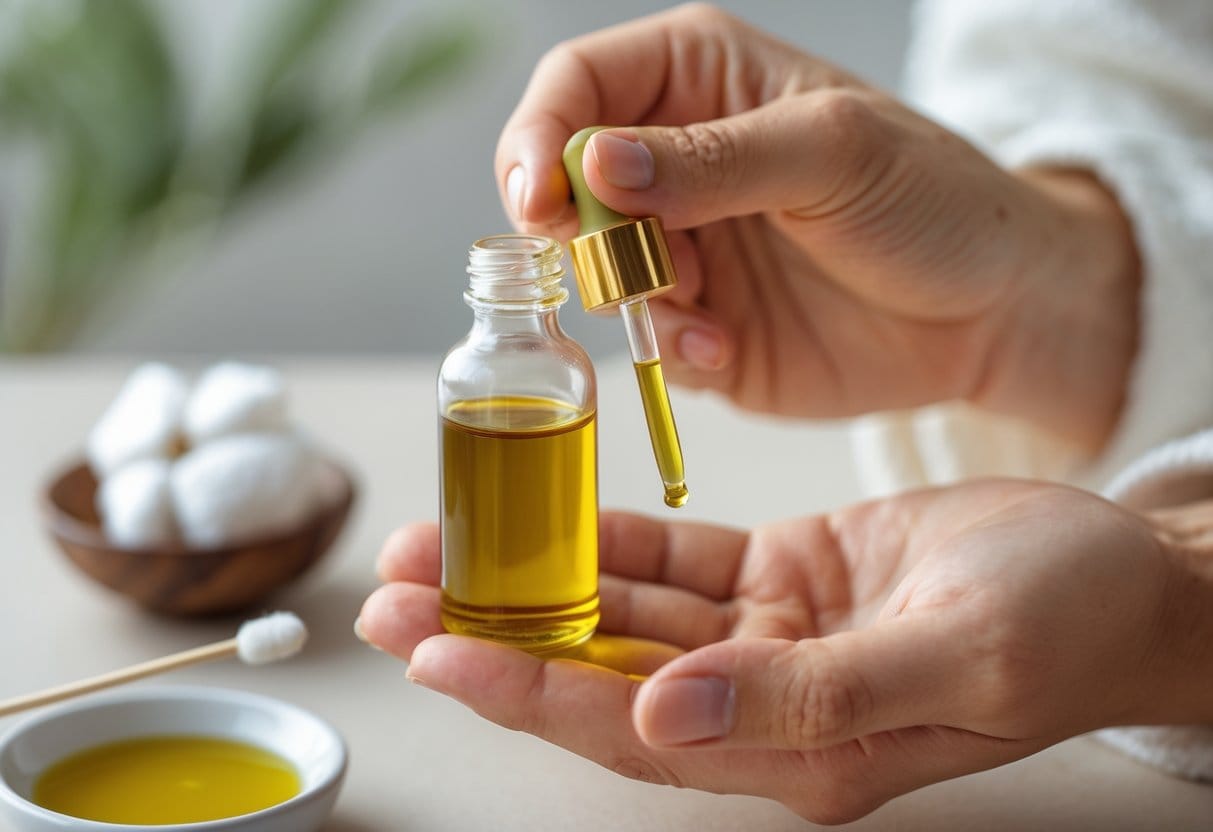
People can place 2–3 drops of the warmed oil into the affected ear using a sterile dropper while lying on their side. They should stay in that position for about 5–10 minutes to allow the oil to spread evenly. Afterward, any extra oil can be gently wiped away.
If the ear feels blocked or painful after using olive oil, they should stop and consult a healthcare provider. It’s wise to avoid using it if the person suspects an ear infection, has a ruptured eardrum, or experiences fluid discharge.
Potential Risks and Safety Tips
Although olive oil is gentle, it’s not risk-free. Using it when there’s an unknown ear infection or eardrum injury can make symptoms worse. Introducing oil into the ear canal can also trap bacteria if the area isn’t clean.
To stay safe, users should:
Check for allergies before trying it.
Avoid inserting objects into the ear to clear wax.
Seek medical advice if pain, swelling, or discharge appears.
Clean droppers and unused oil help prevent contamination. People should only use a few drops at a time and store the oil in a sealed container away from heat and sunlight. Proper care reduces the possibility of irritation or infection while using olive oil for mild ear discomfort.
Ear pain can sometimes signal a deeper problem that home remedies like olive oil cannot fix. Knowing when to visit a doctor helps prevent further damage and ensures the right care.
Signs That Require Medical Attention
A healthcare provider should check an earache that lasts more than two to three days. Pain paired with fever, hearing loss, or fluid drainage may indicate an ear infection or a ruptured eardrum. Thick or bloody discharge is especially concerning and should not be ignored.
Children who have trouble sleeping, tug at their ears, or cry excessively may also need medical evaluation. These signs often mean pressure or inflammation inside the ear.
Persistent ear ringing, dizziness, or swelling around the ear can suggest a more serious ear canal or inner ear issue. In these cases, self-treatment with olive oil might delay proper recovery. If a person has a history of ear surgery or a known eardrum perforation, they should avoid putting any liquid, including oil, into the ear.
Alternative Solutions to Olive Oil
If olive oil does not ease discomfort or if it causes irritation, other safe methods may help. Warm compressesplaced over the ear can reduce mild pain and improve circulation. Over-the-counter acetaminophen or ibuprofen can manage pain while waiting to see a doctor.
For earwax buildup, a healthcare provider might recommend ear drops containing hydrogen peroxide or carbamide peroxide. These are designed to soften wax more effectively than oil.
Doctors can also use ear irrigation or suction tools to safely remove blockages. Those prone to frequent earaches should keep ears dry, avoid inserting cotton swabs, and schedule routine ear checks.