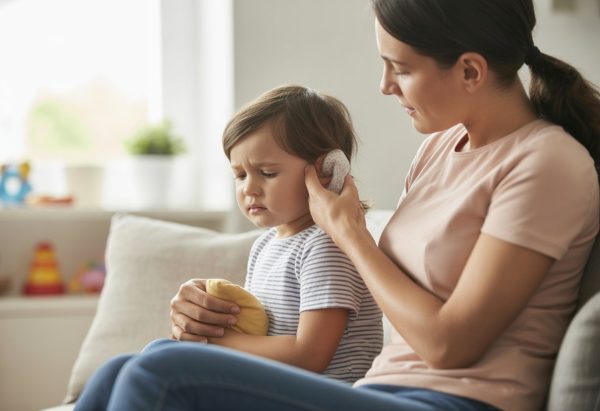
Ear Ache Relief for Kids: Safe and Effective Methods for Parents
Table of Contents
When you buy through links on our site, we may earn an affiliate commission at no additional cost to you (learn more)
Ear aches can strike your child suddenly, often in the middle of the night when medical help isn’t immediately available. The discomfort can range from mild irritation to severe pain that disrupts sleep and daily activities.
Understanding what causes ear pain and knowing which remedies are safe for your child’s age can help you respond quickly and effectively.
This guide walks you through the fundamentals of childhood ear aches, including practical relief techniques you can use right away and strategies to reduce the likelihood of future episodes. You’ll learn which symptoms require professional medical attention and which you can safely manage at home.
Understanding Ear Ache in Kids
Earaches in children typically stem from infections, pressure changes, or trapped fluid, and recognizing early symptoms helps you respond quickly and appropriately.
Common Causes of Ear Ache
Middle ear infections, known as otitis media, are the most frequent cause of ear pain in children. These infections occur when bacteria or viruses enter the middle ear space, often following a cold or respiratory illness. The Eustachian tubes in young children are shorter and more horizontal than in adults, making fluid drainage difficult.
Outer ear infections, or swimmer’s ear, develop when water remains trapped in the ear canal. This creates a moist environment where bacteria multiply rapidly.
Other common causes include:
Pressure changes during airplane travel or altitude shifts
Earwax buildup blocking the ear canal
Sinus infections creating pressure around the ear
Teething pain radiating to the ear area in toddlers
Foreign objects lodged in the ear canal
Allergies can also trigger ear discomfort by causing inflammation and fluid accumulation behind the eardrum.
Recognizing Symptoms in Children
Young children who cannot verbalize pain often tug or pull at their ears repeatedly. You may notice increased fussiness, especially when lying down, as this position increases pressure on the middle ear.
Fever accompanying ear pain often indicates an infection. Your child might have difficulty sleeping or wake frequently during the night crying.
Physical symptoms include:
Fluid draining from the ear
Difficulty hearing or responding to sounds
Loss of appetite due to jaw pain while chewing
Balance problems or clumsiness
Older children can describe the pain as sharp, dull, or throbbing. They may complain that their ear feels full or plugged.
When to Seek Medical Attention
Contact your pediatrician if your child is under six months old and shows any signs of ear pain. Infants at this age require prompt medical evaluation to prevent complications.
Seek immediate care if you notice fluid, pus, or blood draining from the ear. This suggests a possible eardrum rupture or severe infection.
Call your doctor when:
Symptoms last longer than 24-48 hours
Fever exceeds 102°F (38.9°C)
Your child experiences severe pain
Hearing loss persists after other symptoms improve
Symptoms return shortly after finishing antibiotics
Children with frequent ear infections (three or more in six months) need evaluation for underlying causes or preventive treatment options.
Effective At-Home Ear Ache Relief Methods
Several at-home approaches can help ease your child’s ear pain while you monitor their condition. Proper pain management, warmth application, and comfort measures work together to provide relief.
Safe Pain Relief Options for Children
Acetaminophen and ibuprofen are the two primary over-the-counter medications approved for pediatric ear pain relief. You can give acetaminophen to children as young as 2 months old, while ibuprofen is appropriate for babies 6 months and older.
Always follow the dosage instructions based on your child’s weight rather than age for more accurate dosing. Never give aspirin to children under 18 years old due to the risk of Reye’s syndrome.
You should administer pain medication at the first signs of discomfort to stay ahead of the pain. Keep a written log of when you give each dose to avoid accidental double-dosing. If your child takes other medications, check with your pharmacist to ensure there are no ingredient overlaps.
A warm compress applied to the affected ear can reduce pain by improving blood flow and relaxing tense muscles. Use a clean washcloth soaked in warm (not hot) water, wringing out excess moisture before application.
Hold the compress gently against your child’s ear for 10-15 minutes at a time. You can repeat this every few hours as needed. Alternatively, a heating pad set on low or a warm water bottle wrapped in a thin towel works well.
Never apply heat directly to the skin without a barrier. Test the temperature on your inner wrist before placing it near your child’s ear to prevent burns.
How to Keep Your Child Comfortable
Elevating your child’s head during rest helps fluid drain from the ear canal and reduces pressure. Place an extra pillow under their head or raise the head of the mattress slightly.
Keep your child well-hydrated with water or clear fluids, as swallowing can help open the eustachian tubes. Encourage quiet activities that keep them calm and distracted from the discomfort.
Maintain a humid environment using a cool-mist humidifier to prevent the ear canal from becoming too dry. Avoid exposing your child to cigarette smoke, which irritates the ear canal and can worsen symptoms.
Preventing Future Ear Ache in Children
Establishing protective habits and minimizing environmental factors can significantly reduce the frequency of your child’s ear pain. Consistent hygiene practices and awareness of common irritants help keep ears healthy year-round.
Healthy Ear Care Habits
Keep your child’s ears dry after bathing or swimming by gently tilting their head to each side and dabbing the outer ear with a soft towel. Moisture trapped in the ear canal creates an environment where bacteria and fungi thrive.
Never insert cotton swabs, fingers, or other objects into your child’s ear canal. These items can push earwax deeper, scratch the delicate skin, or damage the eardrum. The ear naturally cleans itself by moving wax outward.
Proper ear cleaning practices:
Wipe only the outer ear with a damp cloth
Use ear drops specifically designed to soften wax if buildup occurs
Schedule professional ear cleaning if your child produces excessive wax
Teach older children to blow their nose gently with both nostrils open. Forceful nose-blowing with one nostril closed can force bacteria into the Eustachian tubes.
Managing Allergies and Sinus Issues
Allergies cause inflammation and congestion that block the Eustachian tubes, increasing pressure and increasing the risk of infection. Work with your pediatrician to identify specific allergens affecting your child through testing.
Use prescribed antihistamines or nasal sprays during allergy seasons to reduce swelling. A daily saline nasal rinse helps clear mucus and allergens from nasal passages before they affect the ears.
Keep bedroom windows closed on high-pollen days and use air purifiers with HEPA filters. Wash bedding weekly in hot water to eliminate dust mites. Remove stuffed animals from your child’s bed if your child has dust allergies.
Reducing Exposure to Common Triggers
Eliminate secondhand smoke exposure completely, as it irritates the Eustachian tubes and increases ear infection frequency by up to three times. This includes smoke on clothing and in vehicles.
Breastfeed infants when possible, as breast milk contains antibodies that protect against ear infections. If bottle-feeding, hold your baby upright rather than letting them drink lying flat.
Ensure your child receives recommended vaccinations, including the pneumococcal vaccine and annual flu shot.