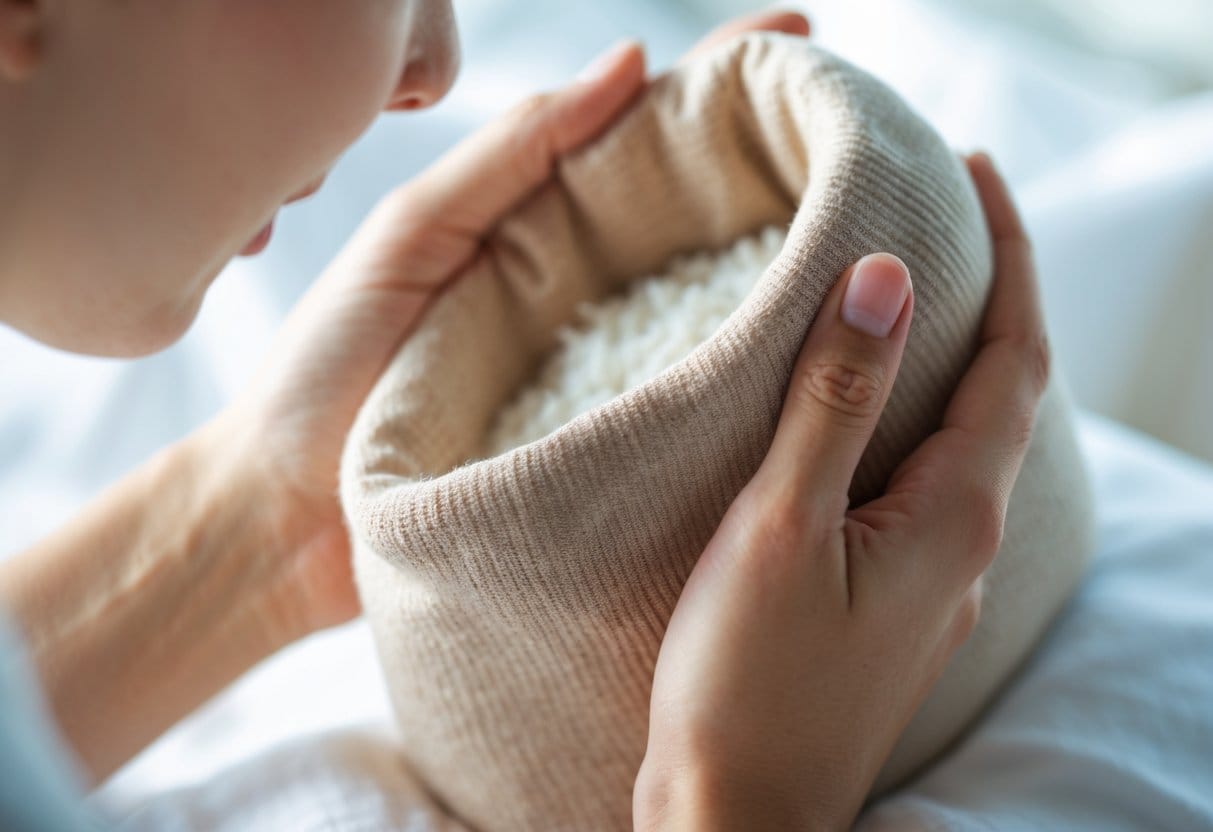
Rice Sock For Ear Ache Relief Made Simple And Soothing
Table of Contents
When you buy through links on our site, we may earn an affiliate commission at no additional cost to you (learn more)
Ear aches can make even simple tasks hard to handle. Many people look for quick relief that doesn’t require a trip to the doctor or medication. A warm rice sock can gently ease ear pain by improving comfort and reducing pressure.
This simple home remedy takes only a few minutes to prepare and uses items found in nearly every home. It can bring steady warmth that helps calm discomfort while the body heals. The process is easy, safe when used correctly, and comforting.
With a basic sock, some uncooked rice, and a microwave, anyone can make a useful tool for earache relief. The steps are simple, and knowing how it works makes it even more effective.
How a Rice Sock Helps Relieve Ear Ache
A rice sock offers gentle, steady heat that can ease discomfort and help the ear drain fluid more easily. It is simple to make at home and provides cost-effective relief when used correctly.
What Is a Rice Sock?
A rice sock is a homemade heating pad made from a clean cotton sock and uncooked white rice. People fill the sock about halfway, tie or sew the end shut, and then heat it in the microwave for around 30–60 seconds. The rice inside holds warmth and molds easily to the shape of the head and neck.
This form of heat pack is safe when used with care. It should feel warm, not hot, to the touch. Wrapping the sock in a thin cloth can protect the skin from direct heat. Because rice retains warmth longer than fabric alone, the sock stays warm for several minutes, allowing continuous comfort.
Unlike electric heating pads, a rice sock needs no wires or outlets. It’s portable and easy to reuse. When stored in a dry place, it can last for months.
Why Use Heat for Ear Pain?
Warmth helps improve blood flow around the ear, which may reduce pain and stiffness. The heat can also loosen fluid buildup behind the eardrum or in the sinuses, which often causes pressure and discomfort.
When the area feels warm, the body may respond by relaxing muscles near the ear and jaw. This can ease tension from clenching or inflammation. Applying a rice sock for 10–15 minutes at a time can create a soothing effect without the risk of burns.
Doctors often recommend warm compresses along with other treatments. The rice sock does not cure infections but can make symptoms more manageable while the body heals.
Benefits of Rice Socks Over Other Remedies
Feature
Rice Sock
Electric Pad
Hot Towel
Cost
Very low
Moderate
Very low
Setup Time
Quick
Needs outlet
Needs hot water
Heat Retention
Long-lasting
Adjustable
Short
Portability
High
Limited
Moderate
Rice socks stand out for their simplicity and control. Users can choose how hot to make them and place them exactly where needed. They cool down naturally, which lowers the risk of overheating.
They also avoid the mess of hot water or steam. For travel or home use, they fit easily in a bag or drawer. This makes them an accessible, low-risk option for easing mild ear discomfort.
How to Make and Use a Rice Sock for Ear Ache
A rice sock can provide gentle, moist heat that helps ease ear pain. It’s simple to make from common household items and can be reused several times if handled safely. Using it the right way prevents burns and helps relieve discomfort more effectively.
To make a rice sock, gather one clean cotton sock, about 1 to 1½ cups of uncooked rice, and a string or rubber band. Cotton works best because it is breathable and can handle heat. Avoid synthetic materials that may melt or hold uneven warmth.
Pour the rice into the sock using a small cup or funnel. Leave enough space at the top so the rice can move around and mold comfortably. Tie the open end tightly with a knot or secure it with a string. Shake the sock gently to spread the rice evenly inside.
Keep the rice sock in a dry spot between uses. If stored properly, it can last for months. If it starts to smell unpleasant or the fabric looks worn, replace it before heating again.
Safe Heating Methods
For safe use, microwave the rice sock in 20- to 30-second increments. Do not microwave for more than 30 seconds. Shake it after each interval to help the heat spread evenly. Test the temperature by holding it against the inner wrist before placing it near the ear.
If it feels too hot, wait until it cools slightly. People with sensitive skin should place a light cloth between the sock and their ear. Never use the rice sock while sleeping, as it may shift and cause uneven heating or burns.
To avoid moisture buildup, keep the sock dry before and after warming. If reheating, allow it to cool completely first. This prevents overheating and helps the rice last longer.
Tips for Effective Application
Sit or lie down in a comfortable position. Place the warm rice sock over the ear and jaw area. Hold it in place gently instead of pressing. The warmth should feel soothing, not hot.
Use it for about 10–15 minutes per session. Repeat as needed, but let the area rest between uses. For children, adults should always test the temperature first to make sure it is safe.
Store the rice sock in an airtight container or sealed bag to keep it clean. Label it for ear use only to avoid mixing with others used for different body parts.