The Best Superfoods That Aid in Digestion

When you buy through links on our site, we may earn an affiliate commission at no additional cost to you (learn more)
It seems like half the commercials on TV these days are for medicines targeting digestive problems or conditions. Poor diet plays a large role in rising issues like diarrhea, constipation, and heartburn. Chronic conditions such as ulcerative colitis and irritable bowel syndrome (IBS) are also becoming more common.
So, what foods can help prevent or ease these problems? And how do certain foods support the structure and function of your digestive tract?
The Basics of a Healthy Gut
Your digestive system is a series of organs that break down food, absorb water and nutrients, and remove waste. Along this tract live trillions of microbes including bacteria and yeast. Together they form the gut microbiome, which helps digest food and supports immune function.
The gut lining and its mucus layer also protect your body by keeping undigested particles out. Enzymes and immune cells in the gut help control inflammation and infection. Protecting the microbiome and the gut lining is central to good digestion and overall health.
The Superfoods That Protect Gut Health
Foods High in Fiber
Fiber is one of the best nutritional tools for digestion. Humans cant digest most fiber, so it passes through the tract and adds bulk or softens stool depending on the type.
Soluble fiber absorbs water and can make stools softer, which helps with constipation. Insoluble fiber adds bulk and speeds transit, which helps prevent stools from lingering and causing problems.
Fiber also feeds beneficial gut microbes. Because it helps those microbes grow, fiber is called a prebiotic.
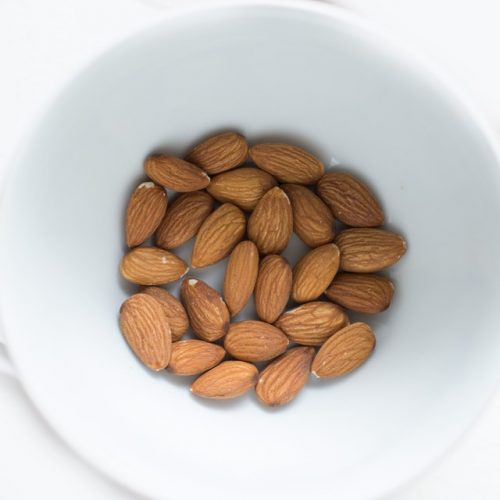
- High-fiber choices: whole fruits, leafy greens, cruciferous vegetables, beans, legumes, seeds, nuts, and whole grains.
- Examples: apples, pears, berries, broccoli, spinach, kale, Brussels sprouts, artichokes, squash, and lentils.
Cultured and Fermented Foods

Fermented foods contain live microbes that can help restore and diversify gut bacteria. These are often called probiotic foods because they add helpful organisms to the gut.
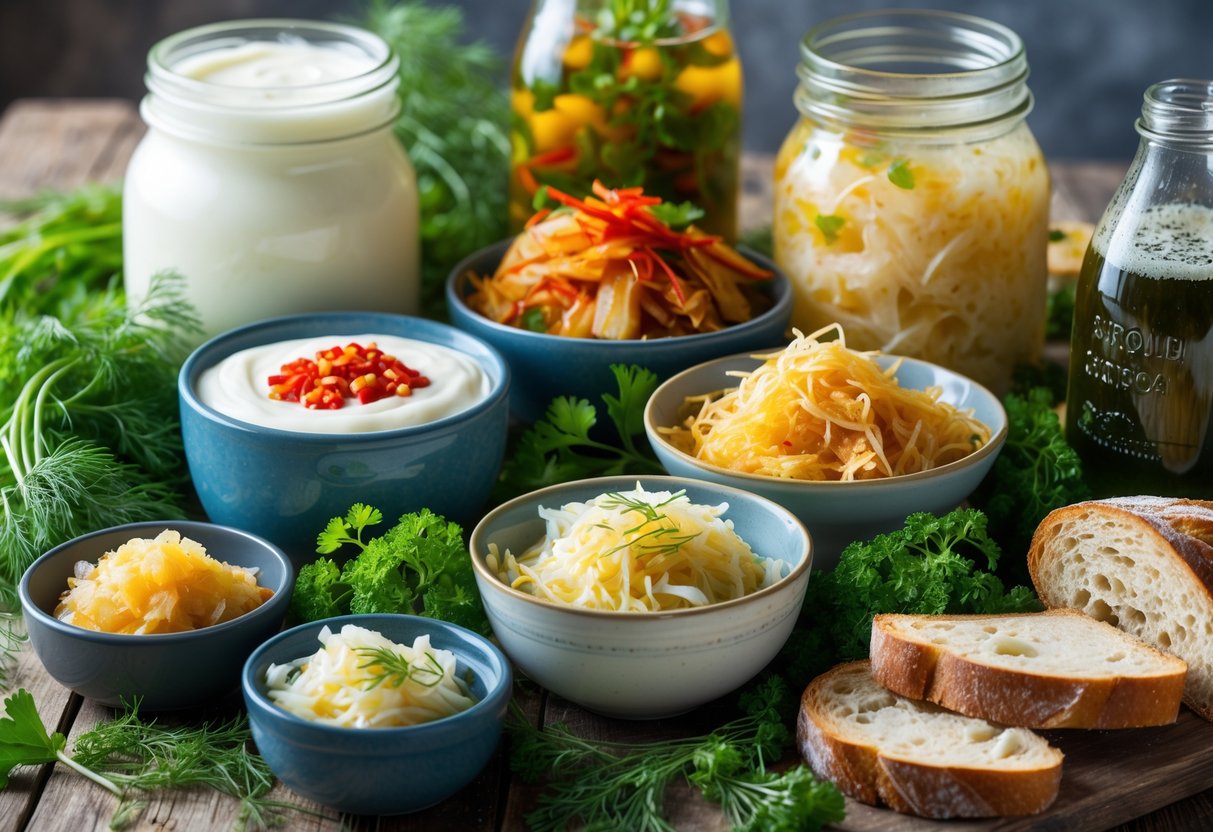
- Kimchi and sauerkraut: fermented vegetables that provide a variety of bacteria and improved nutrient availability.
- Kefir: a fermented beverage made with kefir grains; can be mixed with milk or plant liquids to produce probiotics.
- Kombucha: a fermented tea drink containing yeasts and bacteria that form during fermentation.
- Yogurt: look for labels that say “live and active cultures” to get probiotic benefit.
Other helpful fermented foods include miso, tempeh, natto, buttermilk, kvass, and sourdough bread.
Herbs and Gentle Remedies

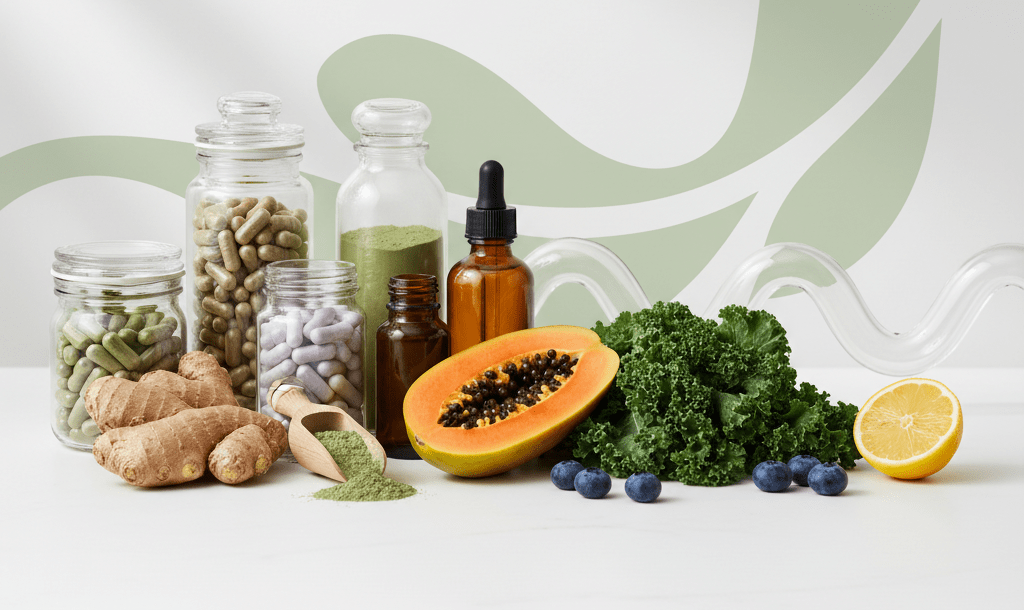
Certain herbs can soothe symptoms quickly. Ginger is well studied for nausea and stomach upset. It appears to speed stomach emptying and reduce feelings of nausea from motion, pregnancy, or treatment side effects.
Peppermint relaxes intestinal muscles and can reduce spasms and bloating. This is why peppermint oil is commonly used to ease IBS symptoms. Use enteric-coated peppermint oil supplements if youre treating IBS to avoid heartburn.
Water and Other Supportive Fluids

Hydration is essential for digestion. Water helps dissolve nutrients and keeps stool moving through the colon. Aim for steady fluid intake across the day rather than large amounts at once.
Bone broth is often suggested for gut healing because it contains amino acids like glycine and collagen fragments that may support the gut lining and mucus production. It can be a soothing, nutrient-dense option when digestion is sensitive.
Other Helpful Foods
Some additional foods can support digestion through different mechanisms.
- Chia and flax seeds: absorb water and form a gel that helps stool move smoothly.
- Avocado: provides healthy fats and potassium, which help with muscle function in the gut.
- Green tea: contains polyphenols that support a healthy gut environment when consumed in moderation.
- Honey: has mild antibacterial properties and may soothe throat and digestive irritation in small amounts.
Practical Tips for Adding These Foods
Small, consistent changes work best for the gut. Start by adding a serving of fiber at one meal each day and increase gradually over 23 weeks. Rapid increases can cause gas and bloating.
Include fermented foods a few times per week. If youre new to fermented foods, start with small portions (12 tablespoons) and build up as tolerated.
Drink water throughout the day. If you struggle with plain water, try herbal teas or flavored sparkling water without added sugar.
Safety Precautions and When to See a Professional
Most of these foods are safe for healthy people, but some situations require caution. People with weakened immune systems should consult a healthcare provider before trying live-culture fermented foods, since theres a small risk of infection.
Those with severe digestive disease or on restricted diets (such as low-FODMAP for IBS) should work with a dietitian. Some high-fiber or fermented foods can worsen symptoms in specific conditions.
If you have new, severe, or persistent symptoms such as unexplained weight loss, blood in stool, ongoing severe pain, or swallowing difficulty, seek medical evaluation promptly.
Final Thoughts
Eating a mix of fiber-rich plant foods, fermented products, hydrating fluids, and soothing herbs supports digestion in different ways. Studies suggest these habits help maintain a balanced microbiome, steady bowel habits, and a healthy gut lining.
Use gradual changes and watch how your body responds. If needed, consult a registered dietitian or clinician to tailor choices to your health needs.