The Ultimate Guide to Iodine Rich Foods: Natural Sources for Thyroid Health
Table of Contents
When you buy through links on our site, we may earn an affiliate commission at no additional cost to you (learn more)
Your thyroid gland might be small, but its impact on your overall health is enormous. This butterfly-shaped gland relies heavily on iodine to produce the hormones that regulate everything from your metabolism to your energy levels. Unfortunately, many of us aren’t getting enough of this essential mineral, which can lead to fatigue, weight gain, and even more serious thyroid complications. The good news? Nature provides us with an abundance of iodine-rich foods that can help support optimal thyroid function naturally.
The Science Behind Iodine and Thyroid Health
Iodine serves as the building block for two crucial thyroid hormones: thyroxine (T4) and triiodothyronine (T3). When your thyroid doesn’t receive adequate iodine, it can’t produce sufficient amounts of these hormones, leading to hypothyroidism. This condition affects millions worldwide and manifests through symptoms like persistent fatigue, unexplained weight gain, hair loss, and cognitive fog.
The thyroid gland actually concentrates iodine at levels 20-40 times higher than what’s found in your blood. This remarkable concentration mechanism demonstrates just how vital iodine is for proper thyroid function. When iodine intake falls below optimal levels, your thyroid gland enlarges in an attempt to capture more of this precious mineral from your bloodstream—a condition known as goiter.
Research published in the Journal of Clinical Endocrinology shows that even mild iodine deficiency can impair cognitive function, particularly in children and pregnant women. The World Health Organization considers iodine deficiency the world’s most preventable cause of brain damage, highlighting the critical importance of maintaining adequate intake through our diet.
Ocean Treasures: Seaweed and Sea Vegetables
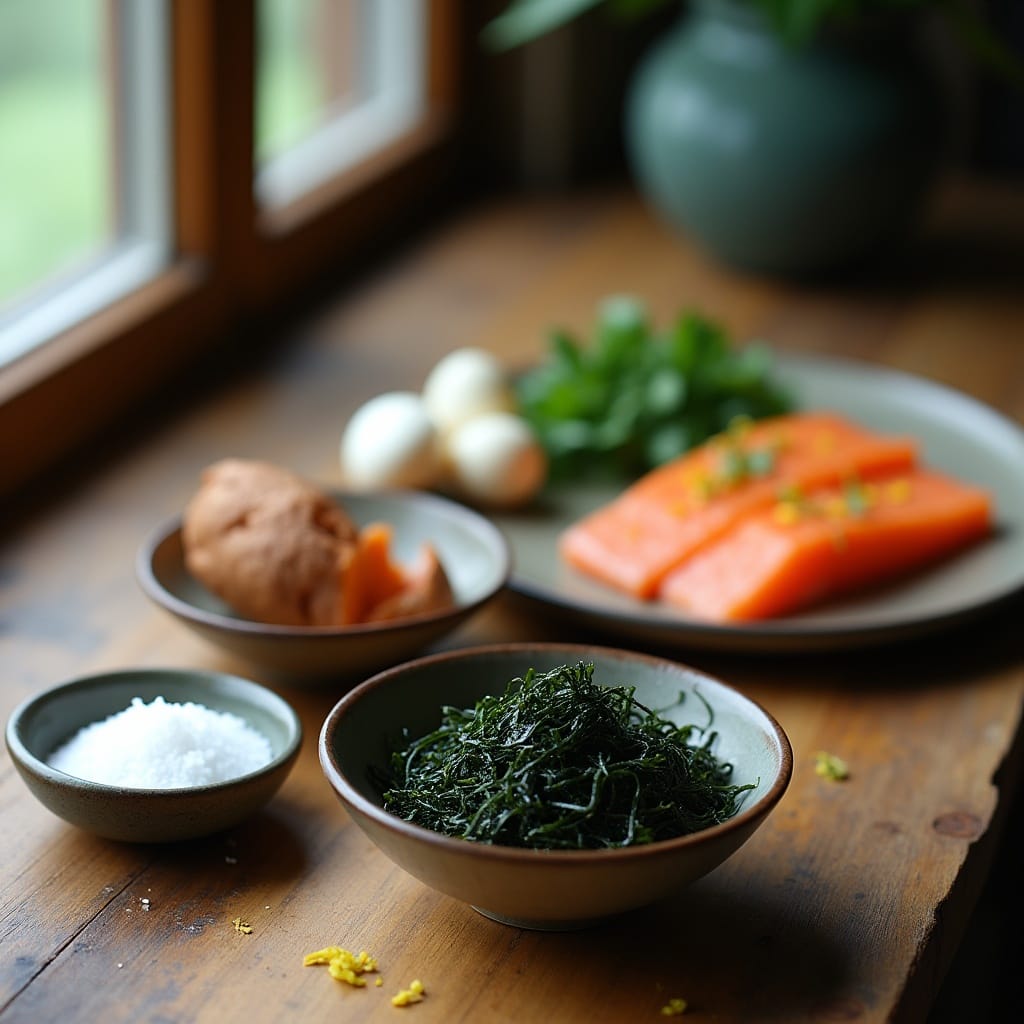
The ocean provides us with some of the most iodine-dense foods on the planet. Seaweeds and sea vegetables absorb iodine directly from seawater, making them incredibly concentrated sources of this essential mineral.
Kelp: The Iodine Powerhouse
Kelp stands as one of the richest dietary sources of iodine, containing up to 2,984 micrograms per gram of dried seaweed—that’s nearly 2,000% of your daily needs in just one gram! However, this incredible potency requires careful attention to portion sizes. A small pinch of kelp flakes sprinkled over salads or soups can provide your entire daily requirement.
Brown seaweeds like kelp also contain alginate, a compound that helps bind heavy metals and supports natural detoxification. This dual benefit makes kelp particularly valuable for those looking to optimize both thyroid function and overall health.
Nori: The Sushi Wrapper Superfood
Those dark green sheets wrapping your sushi rolls are nutritional goldmines. One sheet of nori contains approximately 16-43 micrograms of iodine, along with significant amounts of vitamin B12, vitamin C, and protein. Unlike many plant foods, nori provides bioavailable vitamin B12, making it particularly valuable for those following plant-based diets.
The crispy texture and umami flavor of roasted nori make it an excellent snack option. You can also crumble it over rice bowls, salads, or incorporate it into homemade seasoning blends for an iodine boost.
Dairy and Egg Sources
Modern dairy and egg production methods have inadvertently created excellent iodine sources. The iodine content in these foods comes primarily from iodine-based sanitizers used in dairy operations and iodine-supplemented animal feeds.
Dairy Products
One cup of milk provides approximately 56 micrograms of iodine—about 37% of your daily needs. Greek yogurt contains even higher concentrations, with one cup delivering roughly 75 micrograms. The fermentation process in yogurt production may actually concentrate the iodine content while adding beneficial probiotics.
Cheese varieties differ significantly in their iodine content. Cheddar cheese provides about 12 micrograms per ounce, while cottage cheese offers approximately 65 micrograms per cup. The higher moisture content in fresh cheeses like cottage cheese correlates with higher iodine levels.
Eggs: Nature’s Nutritional Package
One large egg contains about 24 micrograms of iodine, primarily concentrated in the yolk. Eggs from pasture-raised hens may contain higher iodine levels due to their more diverse diets and access to iodine-rich soil organisms.
The selenium content in eggs works synergistically with iodine to support thyroid health. Selenium is essential for converting T4 to the more active T3 hormone, making eggs a particularly smart choice for comprehensive thyroid support.
Seafood: Swimming in Iodine
Fish and shellfish naturally accumulate iodine from seawater, making them excellent dietary sources. The iodine content varies significantly based on the species and their position in the marine food chain.
Cod and White Fish
Cod provides approximately 99 micrograms of iodine per 3-ounce serving—nearly 66% of your daily requirement. Other white fish like haddock and pollock offer similar benefits. These lean fish also provide high-quality protein and omega-3 fatty acids, creating a nutritional trifecta for optimal health.
The mild flavor and flaky texture of white fish make them incredibly versatile. They absorb marinades and seasonings beautifully, allowing you to create diverse flavor profiles while maintaining the iodine benefits.
Shellfish Selections
Shrimp delivers about 35 micrograms of iodine per 3-ounce serving, along with astaxanthin—a powerful antioxidant that gives shrimp their pink color. Lobster provides similar iodine levels while offering significant amounts of zinc and vitamin B12.
Scallops contain approximately 90 micrograms per 3-ounce serving, making them one of the richest shellfish sources. Their sweet, delicate flavor pairs beautifully with iodine-rich seaweed salads for a thyroid-supporting meal.
Plant-Based Iodine Sources
While plant foods generally contain lower iodine levels than marine sources, several options can contribute meaningfully to your intake, especially when soil conditions are favorable.
Cranberries: The Unexpected Source
Fresh cranberries contain approximately 400 micrograms of iodine per cup—significantly higher than most fruits and vegetables. This high content likely stems from cranberries’ unique growing conditions in iodine-rich bog environments.
Dried cranberries retain much of their iodine content while offering concentrated antioxidants. However, choose unsweetened varieties to avoid excessive added sugars that can interfere with nutrient absorption.
Navy Beans and Legumes
Navy beans provide about 32 micrograms of iodine per cup when cooked. The iodine content in legumes varies significantly based on soil conditions, but beans grown in coastal areas tend to have higher levels due to sea spray and marine-influenced soils.
The fiber and protein content in beans create a sustained energy release that supports stable blood sugar levels—particularly important for those with thyroid imbalances who may experience energy fluctuations.
Optimizing Iodine Absorption
Simply consuming iodine-rich foods isn’t enough—your body needs to effectively absorb and utilize this mineral. Several factors can either enhance or inhibit iodine absorption and thyroid function.
Supportive Nutrients
Selenium works as iodine’s essential partner, helping convert T4 to the active T3 hormone. Brazil nuts, sunflower seeds, and grass-fed beef provide excellent selenium sources. Zinc, found in pumpkin seeds and oysters, also supports thyroid hormone production and metabolism.
Vitamin D deficiency can impair thyroid function even when iodine intake is adequate. Fatty fish, egg yolks, and sensible sun exposure help maintain optimal vitamin D levels for comprehensive thyroid support.
Foods That Interfere
Certain foods contain goitrogens—compounds that can interfere with iodine utilization. Cruciferous vegetables like broccoli, cauliflower, and kale contain these compounds, but cooking significantly reduces their goitrogenic activity. The benefits of these nutrient-dense vegetables far outweigh the potential concerns when consumed as part of a varied diet with adequate iodine intake.
Soy foods can also impact thyroid function, particularly when consumed in large quantities or when iodine status is marginal. If you regularly consume soy products, ensure your iodine intake is optimal and consider timing soy consumption away from thyroid medication if applicable.
Daily Intake Recommendations and Timing
The recommended daily allowance for iodine varies by life stage and circumstances. Adults need approximately 150 micrograms daily, while pregnant and breastfeeding women require 220-290 micrograms to support both their needs and their baby’s developing brain.
Spreading iodine intake throughout the day may optimize absorption and utilization. Consider incorporating a small amount of iodine-rich seaweed in your morning smoothie, enjoying fish or eggs at lunch, and including dairy products as evening snacks.
Food Source
Serving Size
Iodine Content (mcg)
% Daily Value
Kelp (dried)
1 gram
2,984
1,989%
Cod
3 oz
99
66%
Greek Yogurt
1 cup
75
50%
Milk
1 cup
56
37%
Cranberries
1 cup
400
267%
The NutriGuide Pro-Tip
Create an “Iodine Insurance Policy” by keeping a small jar of organic kelp flakes in your spice cabinet. Just a tiny pinch (about 1/8 teaspoon) added to soups, salads, or smoothies provides your entire daily iodine requirement without overwhelming flavors. This simple habit ensures consistent iodine intake regardless of your daily food choices, and the maritime minerals in kelp provide additional trace nutrients that support overall thyroid health. Remember to start with very small amounts—kelp’s iodine content is incredibly concentrated, and your thyroid needs consistency rather than massive doses.