The Dark Truth About Buckwheat Honey: Why This Robust Sweetener Outshines Regular Honey
Table of Contents
When you buy through links on our site, we may earn an affiliate commission at no additional cost to you (learn more)
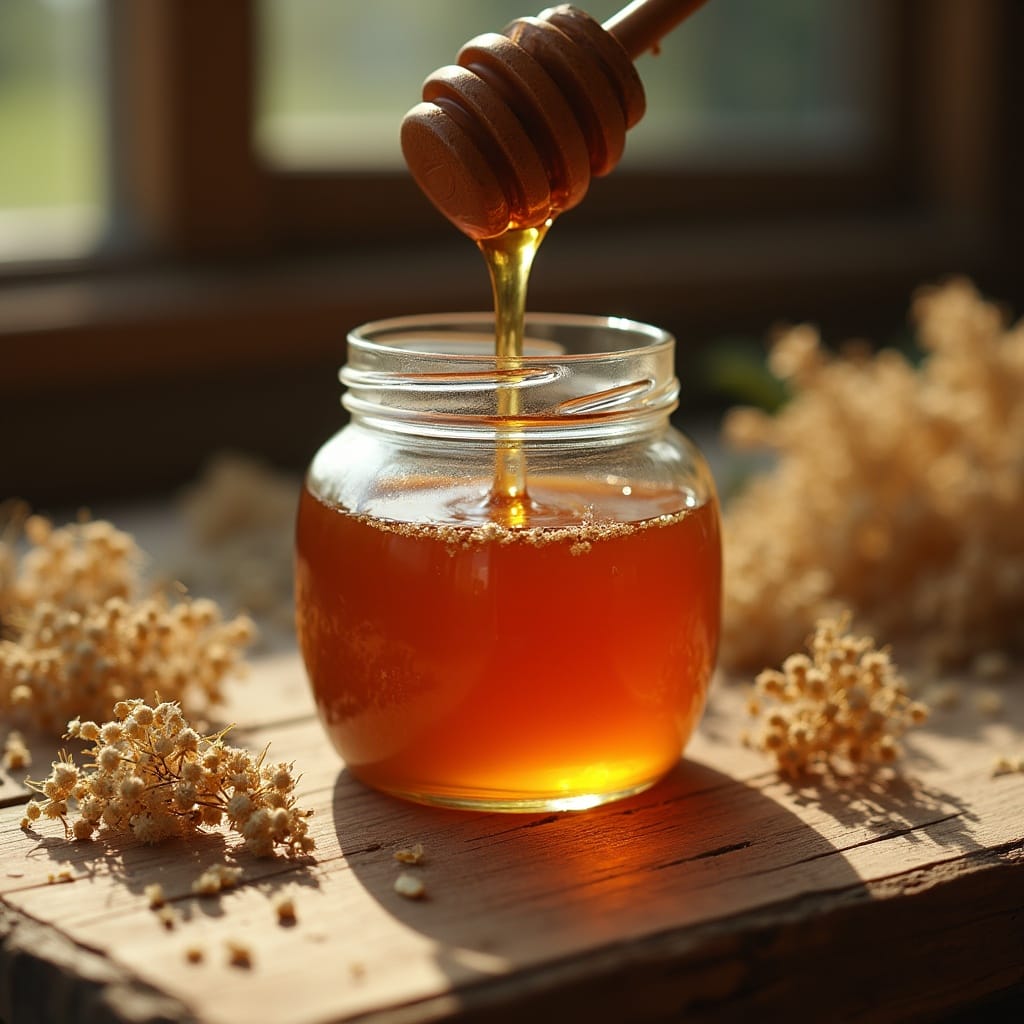
Deep amber with an almost molasses-like richness, buckwheat honey stands apart from its golden counterparts with a bold, earthy flavor that might surprise your palate. This distinctive sweetener isn’t just different in taste—it’s a nutritional powerhouse that delivers significantly more antioxidants and health benefits than regular clover or wildflower honey.
The Antioxidant Advantage
Buckwheat honey contains up to 20 times more antioxidants than lighter honey varieties, thanks to its high concentration of phenolic compounds and flavonoids. These powerful molecules work by neutralizing free radicals in our bodies—the unstable compounds that contribute to cellular damage and aging.
The dark color is actually your visual cue to its antioxidant density. Research shows that darker honey varieties consistently score higher on the ORAC (Oxygen Radical Absorbance Capacity) scale, with buckwheat honey ranking among the top performers. This means every spoonful delivers more protective compounds than you’d get from lighter alternatives.
Phenolic Powerhouse
The specific phenolic compounds in buckwheat honey include rutin, quercetin, and chlorogenic acid—the same beneficial plant compounds found in berries and green coffee beans. These antioxidants support cardiovascular health by helping maintain healthy blood vessel function and supporting normal inflammatory responses throughout the body.
Respiratory Support That Works
Multiple clinical studies have demonstrated buckwheat honey’s effectiveness for supporting respiratory comfort, particularly in children. The honey’s antimicrobial properties, combined with its soothing texture, create a natural coating effect that helps calm throat irritation.
A landmark study published in the Archives of Pediatric and Adolescent Medicine found that buckwheat honey was more effective than dextromethorphan (common cough suppressant) and diphenhydramine (antihistamine) for nighttime cough relief in children. The honey’s natural enzymes and hydrogen peroxide content contribute to its gentle antimicrobial activity.
Natural Throat Soother
The viscous consistency of buckwheat honey creates a protective film over irritated throat tissues, while its natural sugars provide quick energy to support the body’s healing processes. Unlike synthetic cough suppressants, honey also supports the immune system rather than simply masking symptoms.
Heart-Healthy Properties
The robust antioxidant profile of buckwheat honey translates into cardiovascular benefits that regular honey simply can’t match. Studies indicate that consuming antioxidant-rich honey varieties may help maintain healthy cholesterol levels and support normal blood pressure ranges.
The flavonoids in buckwheat honey, particularly rutin, have been studied extensively for their cardiovascular protective effects. Rutin helps strengthen capillary walls and supports healthy circulation by maintaining the structural integrity of blood vessels.
Supporting Healthy Inflammation Response
Chronic low-grade inflammation is increasingly recognized as a factor in heart disease development. The anti-inflammatory compounds in buckwheat honey help support the body’s natural inflammatory response, potentially contributing to long-term cardiovascular wellness when consumed as part of a balanced diet.
Wound Healing and Skin Benefits
Buckwheat honey’s antimicrobial properties extend beyond internal health—it’s been used traditionally for topical applications to support skin healing. The honey’s natural hydrogen peroxide content, combined with its low pH and high osmolarity, creates an environment that’s hostile to harmful bacteria while supporting tissue repair.
Medical-grade honey is used in clinical settings for wound care, and while buckwheat honey isn’t specifically medical-grade, its antimicrobial properties make it a valuable addition to natural skincare routines. The antioxidants also help protect skin cells from environmental stressors.
Natural Moisturizing Properties
Honey is hygroscopic, meaning it draws moisture from the environment and helps retain it. This makes buckwheat honey an excellent natural moisturizer when applied topically, supporting skin hydration while delivering antioxidant benefits directly to skin cells.
Digestive Health Support
Unlike processed sugars that can disrupt gut health, raw buckwheat honey contains prebiotic oligosaccharides that support beneficial gut bacteria. These natural sugars feed the good bacteria in our digestive system, promoting a healthy gut microbiome balance.
The enzymes naturally present in raw buckwheat honey also aid digestion by helping break down complex sugars and supporting nutrient absorption. This is particularly beneficial for individuals with sensitive digestive systems who may struggle with other sweeteners.
Gentle Energy Release
The natural fructose and glucose in buckwheat honey provide sustained energy without the dramatic blood sugar spikes associated with refined sugars. The honey’s complex carbohydrate structure allows for more gradual absorption, supporting steady energy levels throughout the day.
Choosing and Using Buckwheat Honey
Quality matters significantly when selecting buckwheat honey. Look for raw, unfiltered varieties that maintain their natural enzyme content and full nutritional profile. The honey should be dark amber to almost black in color, with a robust, earthy flavor that’s distinctly different from milder honey varieties.
Store your buckwheat honey in a cool, dry place away from direct sunlight. Raw honey naturally crystallizes over time—this is normal and doesn’t indicate spoilage. Simply warm gently in a water bath to return it to liquid form if desired.
Dosage and Daily Use
For general health benefits, 1-2 tablespoons of buckwheat honey daily provides a meaningful dose of antioxidants without excessive sugar intake. For respiratory support, a teaspoon before bedtime can provide overnight comfort. Always choose raw honey to maximize nutritional benefits.
Who Should Exercise Caution
While buckwheat honey offers numerous benefits, it’s important to note that honey should never be given to children under 12 months due to the risk of infant botulism. Additionally, individuals with diabetes should monitor blood sugar responses, as honey still contains natural sugars that affect glucose levels.
Those with pollen allergies should introduce buckwheat honey gradually, as it may contain trace amounts of pollen that could trigger sensitivity reactions in highly allergic individuals. The robust flavor might also be too intense for some palates initially.
The NutriGuide Pro-Tip
Create a powerful antioxidant boost by mixing buckwheat honey with Ceylon cinnamon and a pinch of turmeric. This combination maximizes the anti-inflammatory benefits while creating a delicious addition to warm beverages or overnight oats. The synergistic effect of these compounds provides enhanced cardiovascular and immune support compared to using any ingredient alone.
Remember that while buckwheat honey offers impressive health benefits, it works best as part of a varied, nutrient-rich diet rather than as a standalone solution. Its unique properties make it a valuable upgrade from regular honey, delivering more antioxidants and therapeutic compounds in every golden-dark spoonful.