Manuka Honey for Glowing Skin: Nature’s Most Powerful Beauty Secret
Table of Contents
When you buy through links on our site, we may earn an affiliate commission at no additional cost to you (learn more)
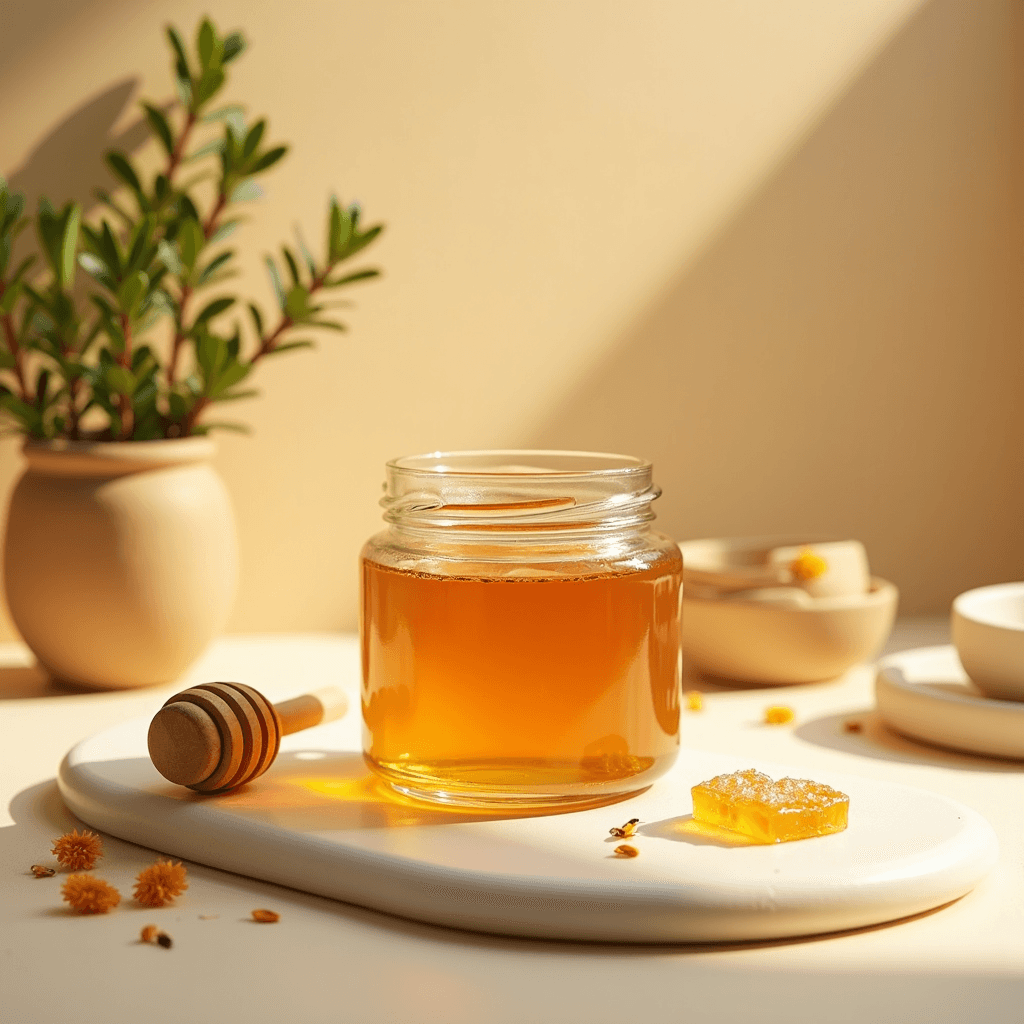
Manuka honey has earned its reputation as liquid gold in the skincare world, and there’s solid scientific backing for this acclaim. This unique honey from New Zealand contains methylglyoxal (MGO), a powerful compound that sets it apart from regular honey with its exceptional antibacterial and healing properties. When we apply manuka honey to our skin, we’re harnessing centuries of natural healing wisdom backed by modern research.
The Scientific Foundation Behind Manuka Honey’s Skin Benefits
What makes manuka honey extraordinary for skincare lies in its unique chemical composition. The MGO content creates a potent antimicrobial environment that actively fights the bacteria responsible for acne breakouts and skin infections. Unlike synthetic treatments that can strip the skin’s natural barrier, manuka honey works in harmony with our skin’s biology.
The honey’s naturally acidic pH (around 3.2-4.5) helps restore the skin’s protective acid mantle, which can become disrupted by harsh cleansers and environmental stressors. This acidic environment also promotes gentle exfoliation, encouraging the natural shedding of dead skin cells without the irritation associated with chemical peels.
Manuka honey contains natural humectants that draw moisture from the air into the skin. The fructose and glucose molecules create a protective film that locks in hydration while allowing the skin to breathe. This dual action explains why manuka honey can simultaneously treat problematic skin while maintaining optimal moisture levels.
The Enzymatic Advantage
The glucose oxidase enzyme in manuka honey produces hydrogen peroxide in controlled, gentle amounts when it contacts wound fluid or skin moisture. This creates a natural antiseptic effect without the harshness of commercial peroxide treatments. The enzyme activity also stimulates tissue repair and collagen production, contributing to improved skin texture and reduced scarring.
Top Ways to Incorporate Manuka Honey into Your Skincare Routine
Understanding how to properly use manuka honey ensures maximum benefit while avoiding common mistakes that can diminish its effectiveness. The key lies in choosing the right UMF (Unique Manuka Factor) rating and application methods for your specific skin concerns.
The 15-Minute Manuka Honey Face Mask
Apply a thin, even layer of UMF 15+ manuka honey directly to clean, damp skin. The moisture helps activate the honey’s enzymatic properties while ensuring smooth application. Leave for 15-20 minutes, then rinse with lukewarm water using gentle circular motions to take advantage of the honey’s mild exfoliating properties.
For sensitive skin, mix one teaspoon of manuka honey with a few drops of rose water or chamomile hydrosol. This dilution maintains the honey’s beneficial properties while reducing potential sensitivity reactions.
Spot Treatment for Blemishes
Dab a small amount of UMF 20+ manuka honey directly onto individual blemishes before bed. The high MGO content works overnight to reduce inflammation and fight acne-causing bacteria. Cover with a small adhesive bandage to prevent the honey from transferring to your pillow.
Gentle Daily Cleanser
Mix one teaspoon of manuka honey with your regular gentle cleanser to create a nourishing, antimicrobial wash. The honey’s natural surfactants help remove impurities without stripping natural oils, making this method ideal for those with combination or sensitive skin.
Skin Concern
Recommended UMF Rating
Application Method
Frequency
Acne-prone skin
UMF 15-20+
Face mask or spot treatment
3-4 times per week
Dry/mature skin
UMF 10-15+
Mixed with moisturizer
Daily
Sensitive skin
UMF 10+
Diluted with rose water
2-3 times per week
Wound healing
UMF 20+
Direct application
As needed
Choosing the Right Manuka Honey for Skincare
Not all manuka honey delivers the same skincare benefits, and understanding quality markers prevents disappointment and ensures value for money. The UMF rating system provides the most reliable indicator of therapeutic potency, but other factors also influence skincare effectiveness.
For general skincare maintenance, UMF 10+ provides sufficient antimicrobial activity without being overly potent for daily use. Those dealing with persistent acne or skin healing may benefit from UMF 15-20+, while UMF 25+ is typically reserved for serious therapeutic applications under professional guidance.
Quality Indicators to Look For
UMF certification: Look for the official UMF trademark and license number
Raw and unpasteurized: Heat treatment destroys beneficial enzymes
Dark amber color: Indicates higher antioxidant content
Thick consistency: Genuine manuka honey should be viscous, not runny
New Zealand origin: Authentic manuka honey comes exclusively from New Zealand
Avoid products labeled simply as “manuka honey” without UMF certification, as these may contain regular honey blended with small amounts of manuka or may not meet therapeutic standards.
Combining manuka honey with complementary natural ingredients can enhance its skincare benefits without compromising its therapeutic properties. These synergistic approaches address multiple skin concerns simultaneously while maintaining the gentle, natural approach that makes honey treatments so appealing.
The Antioxidant Boost Method
Mix one teaspoon of manuka honey with a pinch of turmeric powder and a few drops of green tea concentrate. The curcumin in turmeric amplifies the honey’s anti-inflammatory effects, while the polyphenols in green tea provide additional antioxidant protection. Apply as a face mask for 15 minutes, twice weekly.
Exfoliation Enhancement
Combine manuka honey with finely ground oatmeal (1:1 ratio) for a gentle physical and chemical exfoliation treatment. The oats provide mild abrasion to remove dead skin cells, while the honey’s enzymes work on a cellular level to promote skin renewal. This combination is particularly effective for improving skin texture and reducing the appearance of fine lines.
Deep Hydration Protocol
Layer manuka honey under a hyaluronic acid serum to create a moisture-locking system. Apply the honey first, allow it to absorb for 10 minutes, then apply the serum. The honey creates an optimal environment for hyaluronic acid absorption while providing its own humectant benefits.
Safety Considerations and Patch Testing
While manuka honey is generally well-tolerated, individual reactions can occur, particularly in those with bee allergies or extreme skin sensitivity. Proper patch testing prevents adverse reactions and ensures comfortable use.
Apply a small amount of diluted manuka honey to the inside of your wrist or behind your ear. Wait 24-48 hours and monitor for any signs of redness, itching, or irritation. If no reaction occurs, the honey is likely safe for facial use.
Those with active cold sores or open wounds should consult a healthcare provider before using manuka honey, as its potent antimicrobial properties may initially increase sensitivity in severely compromised skin barriers.
The NutriGuide Pro-Tip
For maximum skincare benefits, apply manuka honey to slightly damp skin immediately after cleansing. The residual moisture activates the honey’s enzymatic properties and ensures even distribution without pulling or tugging. Always remove with lukewarm water and follow with your regular moisturizer to seal in the treatment’s hydrating effects. Store your manuka honey in a cool, dry place away from direct sunlight to preserve its therapeutic potency—quality manuka honey can maintain its effectiveness for years when properly stored.