Pomegranate Power: Why This Fruit Is Essential for Women’s Health
Table of Contents
When you buy through links on our site, we may earn an affiliate commission at no additional cost to you (learn more)
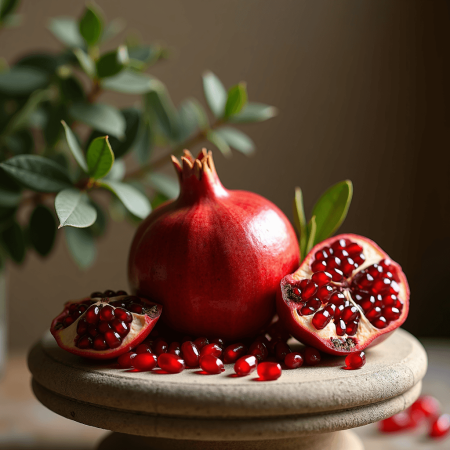
Pomegranates have been celebrated for thousands of years—from ancient Persian gardens to Mediterranean diets—but their specific benefits for women’s health are only now becoming fully understood through modern science. Whether you’re looking to support hormonal balance, protect your skin, or strengthen cardiovascular health, this ruby-red fruit delivers compounds that work at a cellular level. Let’s explore why pomegranates deserve a regular place on your table.
The Science Behind Pomegranate’s Power for Women
Pomegranates contain three key phytonutrients that make them particularly beneficial for women: punicalagins, ellagic acid, and anthocyanins. These aren’t just trendy buzzwords—they’re polyphenols that research shows can influence estrogen metabolism, reduce inflammation, and combat oxidative stress.
Hormonal Balance & Estrogen Metabolism
One of the most significant benefits for women comes from pomegranate’s ability to support estrogen regulation. Punicalagins—the primary polyphenol in pomegranate—can help modulate estrogen metabolism in the liver, which becomes increasingly important during perimenopause and menopause. When estrogen isn’t properly metabolized, it can circulate longer in the bloodstream, potentially triggering hormonal symptoms.
A study published in the journal Phytotherapy Research found that pomegranate extract consumption led to measurable improvements in mood and sexual function in postmenopausal women—benefits attributed to improved estrogen signaling and increased nitric oxide production.
Antioxidant Protection at the Cellular Level
Pomegranates contain three times more antioxidants than red wine or green tea—a critical advantage because women’s changing hormone levels create fluctuations in oxidative stress. During menstruation, ovulation, and menopause, free radical production increases. Anthocyanins and ellagic acid neutralize these free radicals before they damage collagen, elastin, and cellular DNA.
This is why pomegranate works particularly well for skin health. The antioxidants support collagen synthesis and protect against photoaging (sun damage), which accelerates after menopause when estrogen levels drop and skin becomes more vulnerable to UV damage.
Women’s heart disease risk increases significantly after menopause, partly because estrogen’s protective effects decline. Pomegranate juice has been shown to improve blood flow and reduce arterial stiffness. One landmark study found that three months of pomegranate juice consumption reduced systolic blood pressure by an average of 5%, and improved blood flow to the heart by 17%.
The mechanism? Pomegranate increases nitric oxide production, which helps blood vessels relax and improves endothelial function—the inner lining of blood vessels that controls blood pressure and circulation.
Beyond the Basics: Additional Women-Specific Benefits
Joint & Bone Health
Women lose bone density faster after menopause due to declining estrogen. Pomegranate’s polyphenols have been shown to inhibit bone-resorbing enzymes (particularly those activated by estrogen deficiency), helping preserve bone mineral density. This is especially relevant for women in their 50s and beyond.
Breast Health
Ellagic acid in pomegranates has demonstrated promising effects in early research on hormone-sensitive breast tissue. While more research is needed, the compound appears to help regulate estrogen receptor signaling. This doesn’t mean pomegranate prevents breast cancer, but it suggests the fruit may play a supportive role in breast health—one more reason to include it in your routine.
Skin Radiance & Collagen Production
Beyond antioxidant protection, pomegranate stimulates collagen and elastin production through multiple pathways. The punicalagins activate fibroblasts (collagen-producing cells) while also inhibiting collagenase, the enzyme that breaks down collagen. Studies show that women who consume pomegranate juice experience improvements in skin thickness and hydration within 8-12 weeks.
How to Get the Most From Pomegranate
Fresh Fruit vs. Juice: Which Is Better?
Form
Antioxidant Content
Best For
Note
Fresh Seeds (Arils)
Highest (includes fiber)
Whole nutrition, satiety
Contains all polyphenols + the seed coat which has additional fiber and tannins
Fresh Juice (No Added Sugar)
Very High
Faster absorption, convenience
Fiber is removed, but polyphenols remain bioavailable
Concentrate/Extract
Ultra-concentrated
Clinical dosing
Typically standardized to 40% punicalagins—research-grade
Powdered (Fruit or Seed)
High
Smoothies, yogurt
Shelf-stable; look for cold-dried to preserve enzymes
The research sweet spot: Studies showing measurable health benefits typically used either fresh juice (8 oz daily) or standardized extract (containing 40% punicalagins, 400-500 mg daily). For whole fruit, aim for one pomegranate (about 1/2 cup arils) 4-5 times per week.
When & How to Consume It
Morning smoothies: Blend fresh arils with Greek yogurt and berries—the vitamin C boosts iron absorption if you’re menstruating
Post-workout: Pomegranate juice provides quick carbs and polyphenols that support muscle recovery and reduce exercise-induced oxidative stress
With meals containing fat: Polyphenols are fat-soluble, so consuming pomegranate with nuts, avocado, or olive oil improves absorption
Evening ritual: A glass of unsweetened pomegranate juice with water before bed may support better circulation during sleep
Practical Ways to Add More Pomegranate to Your Week
Simple Serving Ideas
Sprinkle arils on salads with walnuts and goat cheese
Layer fresh seeds into overnight oats with cinnamon
Stir into plain yogurt with a drizzle of raw honey
Make a quick pomegranate-ginger dressing (juice + olive oil + ginger + Dijon mustard)
Freeze arils for a refreshing snack or smoothie addition
A Note on Supplements
If you prefer a standardized approach, look for pomegranate extract supplements that specify punicalagin content (40-65% is standard). The advantage of supplements is consistency; the disadvantage is you miss the whole-food synergy of eating the fruit itself. Ideally, combine both—fresh fruit most days, with a supplement on days you can’t access fresh pomegranate.
The NutriGuide Pro-Tip: The Pomegranate + Turmeric Power Combo
If you want to amplify pomegranate’s anti-inflammatory benefits, combine it with turmeric. Both contain polyphenols that work through similar pathways (supporting nitric oxide and reducing NF-kB activation, a key inflammatory pathway). A simple ritual: stir 1 tablespoon of unsweetened pomegranate juice concentrate into warm turmeric milk (turmeric + coconut milk + black pepper) once or twice weekly.
Why the black pepper? Piperine in black pepper increases curcumin (turmeric’s active compound) bioavailability by up to 2,000%. And when combined with pomegranate’s punicalagins, you’re creating a synergistic effect that targets multiple inflammatory pathways—particularly valuable during hormonal transitions when inflammation tends to spike.
The result? Better joint mobility, clearer skin, steadier mood, and improved cardiovascular markers—all without adding sugar or artificial ingredients to your diet.
Who Should Be Most Intentional About Pomegranate?
While pomegranate benefits all women, certain groups may see the most noticeable results:
Perimenopausal and menopausal women (hormonal support + symptom relief)
Women with a family history of heart disease (cardiovascular protection)
Those concerned with aging skin (collagen + photoprotection)
Women managing inflammation or joint issues (polyphenol anti-inflammatory action)
Athletes and active women (recovery support + muscle damage prevention)
Final Thoughts
Pomegranate isn’t a cure-all, but it’s one of the few foods where the science genuinely matches the hype—especially for women’s unique physiological needs. Whether you’re navigating hormonal changes, protecting your skin, or supporting your cardiovascular health, this ancient fruit offers real, measurable benefits backed by peer-reviewed research.
Start with one pomegranate or 8 oz of fresh, unsweetened juice per week, and notice how you feel. Most women report improvements in energy, skin clarity, and mood within 4-8 weeks of consistent consumption.