Lavender Oil for Beards: Improve Beard Growth and Thickness
When you buy through links on our site, we may earn an affiliate commission at no additional cost to you (learn more)
Is your beard patchy? Does hair break often or feel dry? Lavender essential oil is a plant-derived oil that may help condition facial hair and support a healthier beard. Used correctly, it can add moisture, soothe the skin under your beard, and contribute to an environment that supports hair growth.
Understanding Lavender Oil
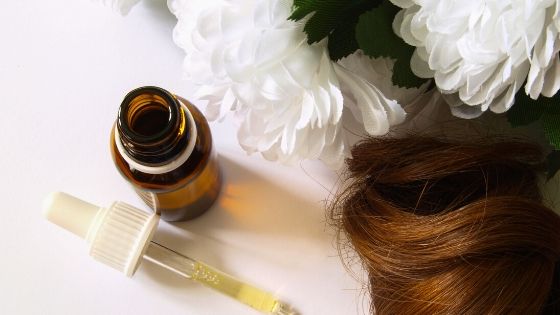
Lavender oil is distilled from the flowering tops of the lavender plant. It contains compounds such as linalool and linalyl acetate, which are known for calming scent and mild antimicrobial effects. These properties make lavender popular in skincare and hair care.
Historically, lavender was used for scent, preservation, and simple medicinal uses. Today, research suggests lavender and some other essential oils may affect hair growth when applied topically in a diluted form.
What the Science Says
Several small studies and animal research indicate lavender may influence hair growth. For example, a 2016 mouse study found topical lavender oil increased hair growth and follicle number compared with a control. Another trial combined lavender with rosemary, thyme, and cedarwood and reported increased hair count in people over several months.
These studies are promising but limited. Results from animal models may not fully translate to humans. Still, the available evidence supports using lavender as part of a broader beard-care routine rather than as a lone cure for hair loss.
How Lavender Oil Helps Beards
Lavender oil can support beard health in several ways:
- Moisturizes hair and skin, reducing breakage and split ends.
- Soothes irritated skin and can reduce itchiness under the beard.
- Has mild antimicrobial and anti-inflammatory properties that help keep the skin healthy.
- Provides a pleasant scent that lasts between washes.
Safe Usage and Dilution
Essential oils are highly concentrated. Always dilute lavender essential oil in a carrier oil such as jojoba, argan, or sweet almond oil before applying to the face.
- Recommended dilution: 1% to 3% for facial use. This equals about 6 to 18 drops of lavender oil per ounce (30 ml) of carrier oil.
- For sensitive skin, start at 0.5% (about 3 drops per ounce) and do a patch test on the inner forearm for 24 hours.
- Avoid getting oils into the eyes or mucous membranes. If contact occurs, rinse with clean water and seek medical advice if irritation persists.
Practical Ways to Use Lavender for Your Beard
Here are safe, practical methods to include lavender oil in your routine. Each method uses diluted oil unless otherwise noted.
- Daily beard oil: Mix 1 ounce carrier oil with 612 drops lavender. Apply a few drops to the palm, rub, and massage through the beard and skin beneath.
- Post-shower salve: After washing, apply a small amount of diluted lavender oil to slightly damp beard to trap moisture and soothe skin.
- Weekly hair mask: Combine 12 tablespoons argan or coconut oil with 35 drops lavender plus 23 drops rosemary. Massage in, leave 300 minutes, then wash out.
- Add to shampoo: Put 5 drops per ounce of shampoo in your hand before washing, or mix gently into a bottle and use within a month.
- Pre-made products: Shampoos and serums with lavender can be convenient. Check the ingredient list for “lavender essential oil” or “lavender hydrolate.”
Quick Homemade Beard Salve Recipe
This small recipe makes about 1 ounce of salve.
- 1 tablespoon jojoba oil
- 1 tablespoon shea butter (melted)
- 10 drops lavender essential oil
- Optional: 3 drops tea tree or rosemary oil for added scalp-supporting properties
Mix warmed ingredients, pour into a small jar, and let solidify. Use a pea-sized amount and massage into the beard and skin.
Safety Notes and Precautions
Lavender is generally safe when diluted, but some people may experience contact dermatitis or sensitivity. Stop use if you notice redness, itching, or a rash. If you have eczema, rosacea, or other chronic skin conditions, consult a dermatologist before using essential oils on the face.
Keep essential oils out of reach of children and pets. Cats are particularly sensitive to essential oils, so avoid applying concentrated oils on hands or clothing if you handle cats soon after.
Tips to Maximize Results
- Be consistent. Improvements in beard texture or reduced breakage may take several weeks of regular use.
- Combine lavender with grooming habits: gentle washing, regular trimming, and a balanced diet support healthy hair growth.
- Avoid over-applying oil. Too much product can clog pores and lead to skin issues.
Final Thoughts
Lavender essential oil can be a useful, pleasant-smelling addition to beard care. Studies suggest it has properties that may support hair growth and scalp health, but evidence in humans is limited. When used diluted and consistently alongside good grooming habits, lavender can help condition hair and soothe the skin under your beard.
For ready-to-use options, you can shop lavender hair products on Amazon. For an at-home approach, try making a simple beard oil or weekly mask using recipes above to control dilution and quality.
Sources
https://www.ncbi.nlm.nih.gov/pmc/articles/PMC4843973/