Essential Oils for Hair Removal
When you buy through links on our site, we may earn an affiliate commission at no additional cost to you (learn more)
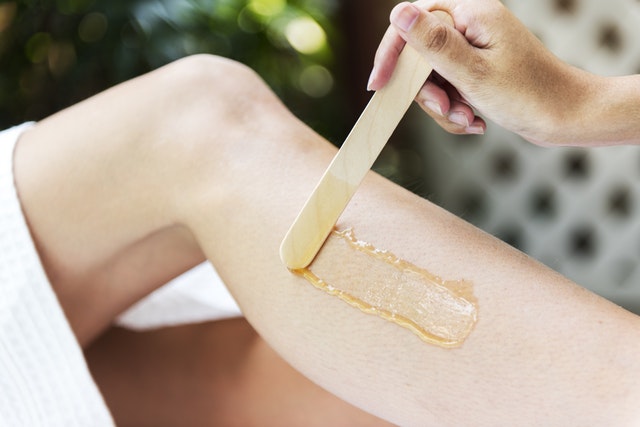
At least 20 million women regularly remove excess facial hair and many look for safe, natural options. Hormonal changes, such as those in perimenopause and menopause, are common causes. Medical conditions like polycystic ovary syndrome (PCOS) can also increase facial hair growth.
Essential oils will not remove hair instantly like waxing or shaving. Some oils are known for properties that may slow hair regrowth or address hormone-related causes of excess hair. When used with gentle hair removal methods and proper skin care, they can be part of a useful routine.
Which Essential Oils Should I Use?
Research and clinical observations point to a few essential oils with potential benefits for reducing unwanted hair or addressing underlying causes.
- Lavender oil: Studies suggest lavender can affect hormones and has anti-inflammatory properties that soothe skin.
- Tea tree oil: Known for antimicrobial and mild hormone-modulating effects. It is often paired with lavender in studies on hirsutism.
- Turmeric (curcuma) oil: Traditionally used for skin care. It contains compounds that may interfere with androgenic effects that encourage hair growth.
- Fennel, chamomile, nutmeg, frankincense, and grapefruit oils: These are sometimes recommended for hormone-related skin concerns and gentle skin care.
One clinical report described topical use of a 5:1 lavender to tea tree blend applied twice daily that was associated with reduced facial hair in some young women with mild idiopathic hirsutism. Such findings are preliminary and do not guarantee the same result for everyone.
How to Use These Oils
Essential oils must be diluted in a carrier to reduce irritation. Common carriers include jojoba, sweet almond, coconut, or fractionated coconut oil.
- General dilution: For the face use 0.5 to 1 percent dilution. That is about 1 to 2 drops of essential oil per teaspoon (5 ml) of carrier oil.
- For body areas, a 1 to 2 percent dilution is acceptable, which is roughly 6 to 10 drops per ounce (30 ml) of carrier oil.
- Always perform a patch test: apply a small amount of the diluted mix to the inner forearm and wait 24 hours to check for irritation or allergic reaction.
Simple Hair-Inhibiting Spray
Combine 1/4 cup distilled water with 1 tablespoon aloe vera gel in a small spray bottle. Add three drops tea tree oil, two drops lavender oil, and one drop grapefruit oil. Shake before use and spray lightly on cleaned skin. Store in the refrigerator and use within 1 to 2 weeks.
Hair-Inhibiting Mask
Mix 1/4 cup chickpea flour with 1/2 tablespoon turmeric powder or two drops turmeric essential oil. Add two drops lavender oil and three drops tea tree oil. Add water gradually to form a smooth paste. Apply after hair removal, allow to dry, then rinse. Use once weekly to support slower regrowth.
Oatmeal and Lemon Mask for Gentle Removal
Combine one half tablespoon ground oatmeal with one tablespoon honey and two drops lemon essential oil. Apply to the face, leave 10 to 15 minutes, then rinse. Lemon can brighten skin but may increase sun sensitivity, so use sunscreen after.
Safety Precautions
Essential oils are concentrated and can irritate or sensitize the skin. Follow simple safety steps to reduce risk.
- Do a patch test before regular use.
- Keep dilutions low for facial skin.
- Avoid applying citrus oils like lemon or grapefruit to skin that will be exposed to direct sun right after application. They can increase photosensitivity.
- Do not use essential oils on broken or inflamed skin.
- If you are pregnant, breastfeeding, or on hormone-related medication, consult a healthcare professional before using hormone-modulating oils.
- If irritation occurs, stop use and rinse the area with water. Seek medical advice for severe reactions.
What the Evidence Says
Small studies and case reports suggest a possible benefit from topical lavender and tea tree oils for mild idiopathic hirsutism. These studies are limited in size and duration. Larger, controlled trials are needed to confirm effectiveness and safety.
Many recommended recipes are based on traditional use or laboratory evidence about oil components. They may help reduce inflammation, soothe skin after hair removal, and in some cases influence local hormone activity. Expect modest, gradual results rather than immediate hair removal.
When to Seek Medical Help
If excess hair appears suddenly, grows rapidly, or is accompanied by other symptoms such as irregular periods, acne, or rapid weight gain, see a healthcare provider. These signs can indicate underlying endocrine conditions that may need medical evaluation and treatment.
For persistent or bothersome hair growth, a dermatologist or endocrinologist can discuss medical options such as topical prescription therapy, oral medication, or long-term hair removal procedures.
Summary
Essential oils like lavender, tea tree, and turmeric may help as part of a gentle hair-care routine. They are best used diluted in a carrier oil and combined with safe removal methods and weekly maintenance masks or sprays.
Use caution, perform patch tests, and consult a clinician if you have health concerns. Results vary and current research is limited, but these natural options can support skin health while you manage unwanted hair.
Sources:
Koulivand, P. H., Khaleghi Ghadiri, I. M., Gorji, A. (2013). Lavender and the Nervous System. Evidence-Based Complementary and Alternative Medicine. March.
Tirabassi, G., et al. (2013). Possible efficacy of Lavender and Tea tree oils in the treatment of young women affected by mild idiopathic hirsutism. Journal of Endocrinological Investigation. Jan: 36 (1):50-4.