Transform Your Health: The Complete Guide to Alkaline Diet Benefits

When you buy through links on our site, we may earn an affiliate commission at no additional cost to you (learn more)
The alkaline diet has captured the attention of health-conscious individuals worldwide, promising to restore your body’s natural pH balance while delivering remarkable wellness benefits. By focusing on nutrient-dense, alkalizing foods and reducing acidic choices, this lifestyle approach offers a gentle path to enhanced vitality and long-term health.
Understanding Your Body’s pH Balance
Your body maintains a tightly regulated pH balance, with blood pH staying within the narrow range of 7.35-7.45. While your kidneys and lungs work continuously to maintain this balance, the foods we consume can influence the pH of our urine and potentially impact our overall health.
The alkaline diet theory suggests that consuming more alkaline-forming foods—like leafy greens, citrus fruits, and certain vegetables—can help reduce the body’s acid load. This reduction may decrease the burden on your kidneys and support optimal cellular function throughout your system.
Research indicates that modern Western diets tend to be more acid-forming due to high consumption of processed foods, refined sugars, and animal proteins. The alkaline diet aims to counterbalance this trend by emphasizing fresh, whole foods that naturally promote alkalinity.
The Science Behind Alkaline Benefits
Enhanced Mineral Absorption and Bone Health
When your body processes acidic foods, it may draw alkaline minerals like calcium, magnesium, and potassium from your bones to neutralize excess acid. The alkaline diet helps preserve these crucial minerals by reducing this demand.
Studies show that alkaline-forming foods rich in potassium and magnesium can support bone density and reduce the risk of osteoporosis. Green leafy vegetables like spinach and kale provide these bone-supporting minerals while naturally alkalizing your system.
The mechanism works through improved calcium retention—when your body doesn’t need to buffer excess acid, it can better utilize calcium for bone building rather than pH regulation.
Improved Energy and Cellular Function
Alkaline-forming foods are typically rich in antioxidants, which combat cellular damage and support mitochondrial function. These cellular powerhouses produce energy more efficiently when surrounded by an optimal pH environment.
The high nutrient density of alkaline foods—including vitamins C and E, beta-carotene, and various phytonutrients—provides the building blocks your cells need for optimal energy production. This translates to sustained energy levels throughout the day.
Additionally, alkaline foods are often naturally hydrating, supporting cellular fluid balance and nutrient transport, which further enhances energy metabolism and overall vitality.
Reduced Inflammation Response
Many alkaline-forming foods possess natural anti-inflammatory compounds. Leafy greens contain chlorophyll, which has been shown to help reduce inflammatory markers in the body.
The antioxidant-rich profile of alkaline foods helps neutralize free radicals that contribute to chronic inflammation. Berries, citrus fruits, and colorful vegetables provide flavonoids and other compounds that support your body’s natural anti-inflammatory processes.
By reducing the consumption of highly processed, acid-forming foods that often trigger inflammatory responses, the alkaline diet naturally supports a calmer inflammatory environment in your body.
Top Alkaline Foods for Optimal Health
Powerhouse Leafy Greens
Spinach leads the alkaline food list with its impressive mineral profile and chlorophyll content. Rich in iron, folate, and magnesium, spinach supports both alkalinity and overall nutritional needs.
Kale provides exceptional levels of vitamin K, supporting both bone health and blood clotting function while contributing to your daily alkaline intake.
Swiss chard offers vibrant colors indicating high antioxidant levels, plus substantial amounts of potassium and magnesium for natural pH balance.
Alkalizing Fruits and Vegetables
Lemons and limes may taste acidic, but they have an alkalizing effect once metabolized, providing vitamin C and supporting natural detoxification processes.
Cucumbers are naturally hydrating and mildly alkaline, making them perfect for supporting both pH balance and proper hydration.
Broccoli and cauliflower provide sulfur compounds that support liver detoxification while contributing to alkaline intake.
Mineral-Rich Alkaline Foods
| Food Category | Top Choices | Key Benefits |
|---|---|---|
| Leafy Greens | Spinach, Kale, Arugula | High in chlorophyll, magnesium, iron |
| Citrus Fruits | Lemons, Limes, Grapefruit | Vitamin C, alkalizing effect |
| Root Vegetables | Sweet Potatoes, Beets, Carrots | Fiber, potassium, beta-carotene |
| Seeds & Nuts | Almonds, Pumpkin Seeds, Chia | Healthy fats, magnesium, protein |
| Herbs & Spices | Ginger, Turmeric, Parsley | Anti-inflammatory compounds |
Implementing the Alkaline Lifestyle
The 80/20 Approach
Rather than eliminating all acidic foods, aim for 80% alkaline-forming foods and 20% mildly acidic choices. This balanced approach ensures nutritional completeness while supporting alkalinity.
Focus on filling your plate with colorful vegetables, fresh fruits, nuts, and seeds. Include moderate amounts of whole grains and lean proteins to maintain nutritional balance without overwhelming your system’s pH buffering capacity.
This approach makes the alkaline diet sustainable and enjoyable, preventing the restrictive feelings that often lead to diet abandonment.
Hydration and pH Support
Proper hydration plays a crucial role in maintaining pH balance. Pure water helps your kidneys efficiently process and eliminate acid waste products from normal cellular metabolism.
Consider adding a slice of lemon or cucumber to your water for natural flavor enhancement and mild alkalizing effects. Herbal teas like chamomile or green tea also contribute to your alkaline intake while providing additional antioxidants.
Avoid excessive consumption of acidic beverages like sodas, energy drinks, and excessive coffee, which can burden your body’s pH regulation systems.
Meal Planning for Success
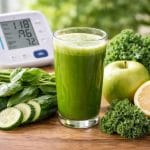
Start your day with an alkaline-rich green smoothie featuring spinach, cucumber, lemon, and your choice of low-acid fruits like berries or apple.
Plan lunch around a large salad base with mixed greens, colorful vegetables, and a small portion of nuts or seeds for healthy fats and protein.
Design dinner to include steamed or roasted vegetables as the main portion, with smaller amounts of whole grains or lean proteins to maintain the alkaline focus.
Monitoring Your Progress
Physical Indicators of Improved Alkalinity
Many people following an alkaline diet report increased energy levels, improved digestion, and better sleep quality within the first few weeks. These changes often reflect improved nutrient absorption and reduced inflammatory burden.
Skin clarity and hydration may improve as your body processes fewer inflammatory compounds from highly processed, acid-forming foods.
Some individuals notice reduced joint stiffness and improved recovery from physical activity, potentially related to decreased inflammation and better mineral status.
Simple pH Testing
While not essential, you can monitor your urine pH using simple test strips available at health stores. Optimal urine pH typically ranges from 6.5-7.5, with morning readings generally more acidic than evening measurements.
Remember that many factors influence urine pH, including hydration status, recent meals, and individual metabolism, so use these readings as general guidance rather than strict measures.
Focus primarily on how you feel and the quality of your food choices rather than becoming overly concerned with exact pH measurements.
The NutriGuide Pro-Tip
Transform your kitchen into an alkaline haven by keeping a "rainbow bowl" filled with colorful, alkaline-forming vegetables and fruits. Each morning, choose at least three different colors for your meals that day—this simple visual approach ensures variety and comprehensive alkaline nutrition while making healthy choices effortless and enjoyable.
Remember that the most sustainable alkaline approach is one that feels natural and nourishing rather than restrictive. Focus on adding more alkaline foods to your existing meals rather than dramatically eliminating everything else, allowing your taste preferences and energy levels to guide your long-term success.