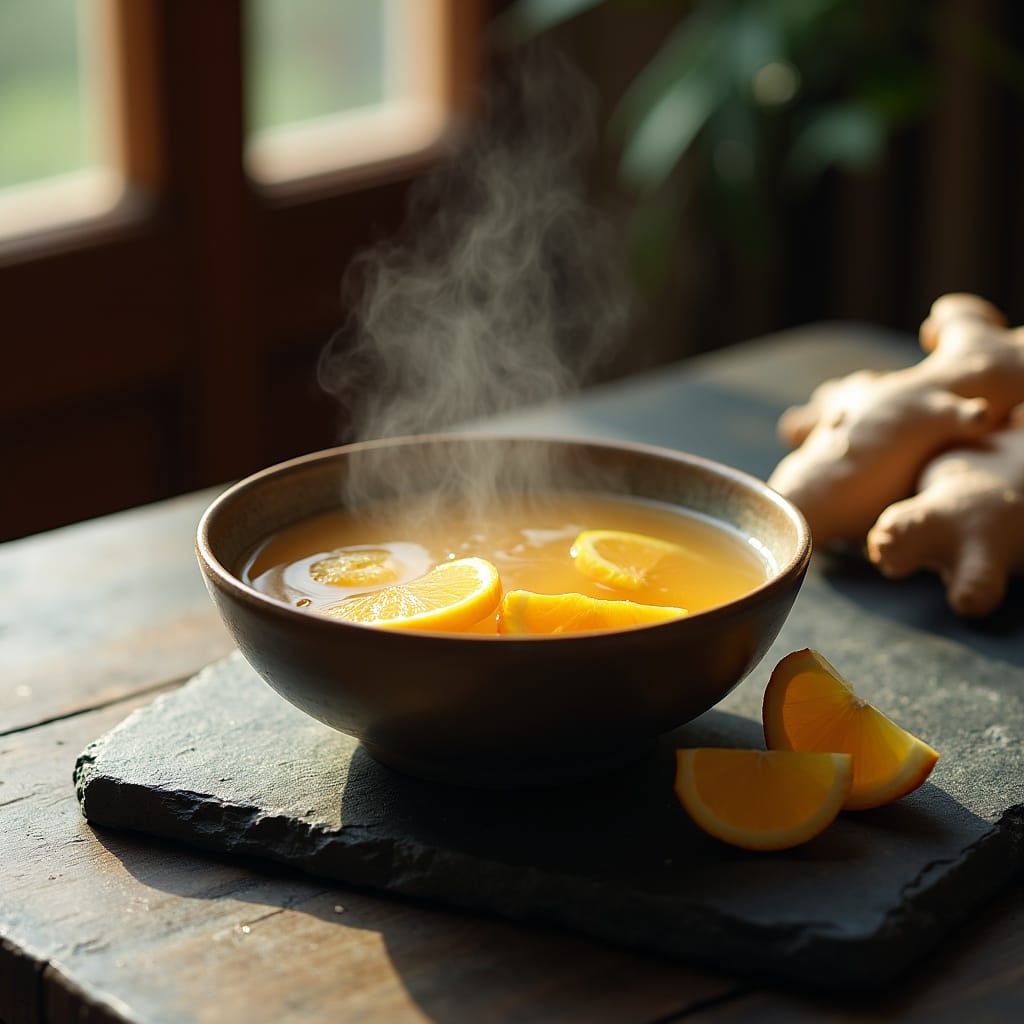
The Golden Root That Soothes Your Stomach: How Ginger Transforms Digestive Wellness
Table of Contents
When you buy through links on our site, we may earn an affiliate commission at no additional cost to you (learn more)
That warming, spicy bite of fresh ginger isn’t just a culinary delight—it’s one of nature’s most powerful digestive allies. For thousands of years, cultures across Asia have turned to this golden root to calm upset stomachs, ease nausea, and promote healthy digestion. Modern research now validates what traditional healers have long known: ginger contains specific compounds that work at the cellular level to support gut health in remarkable ways.
The Science Behind Ginger’s Gut-Healing Power
Ginger’s digestive benefits stem primarily from its bioactive compounds called gingerols and shogaols. These phenolic compounds give ginger its characteristic heat and account for most of its therapeutic properties. When we consume ginger, gingerols interact with specific receptors in our digestive tract, triggering a cascade of beneficial effects.
The most well-documented mechanism involves ginger’s ability to enhance gastric motility—the coordinated muscle contractions that move food through our digestive system. Gingerols stimulate the vagus nerve, which controls digestive function, promoting more efficient stomach emptying and reducing the likelihood of food stagnation that can lead to bloating and discomfort.
Research published in the European Journal of Gastroenterology found that ginger accelerates gastric emptying by up to 25%, significantly reducing symptoms of functional dyspepsia. This enhanced motility also explains why ginger is so effective against nausea—by preventing food from lingering in the stomach, it reduces the signals that trigger the nausea response.
Anti-Inflammatory Action in the Gut
Beyond motility, ginger’s anti-inflammatory properties play a crucial role in gut health. Chronic low-grade inflammation in the digestive tract contributes to conditions like irritable bowel syndrome (IBS), inflammatory bowel disease, and even increased intestinal permeability (leaky gut). Gingerols inhibit the production of pro-inflammatory cytokines while promoting the release of anti-inflammatory compounds.
A 2019 study in the Journal of Nutritional Biochemistry demonstrated that regular ginger consumption reduced inflammatory markers in the intestinal lining by up to 40%. This anti-inflammatory action helps maintain the integrity of the gut barrier, preventing harmful substances from entering the bloodstream while allowing beneficial nutrients to be absorbed efficiently.
Microbiome Support
Emerging research reveals that ginger also acts as a prebiotic, feeding beneficial bacteria in our gut microbiome. The polyphenols in ginger are metabolized by beneficial bacteria like Lactobacillus and Bifidobacterium, promoting their growth while inhibiting harmful pathogenic bacteria. This shift toward a healthier microbiome composition supports overall digestive function and immune health.
Top Ways to Use Ginger for Digestive Health
Form
Dosage
Best For
Timing
Fresh Ginger Tea
1-2 inches fresh root per cup
General digestive comfort
Between meals
Ginger Supplements
250-500mg standardized extract
Consistent daily support
With meals
Crystallized Ginger
1-2 pieces (about 500mg)
Nausea relief
As needed
Fresh Ginger Juice
1 teaspoon mixed in water
Acute digestive upset
30 minutes before meals
Golden Milk: The Perfect Evening Ritual
One of our favorite ways to incorporate ginger for gut health is through golden milk—a warm, comforting blend that combines ginger with turmeric and other digestive spices. The combination creates a synergistic effect, with each spice enhancing the others’ bioavailability. Consuming this blend in the evening helps prepare the digestive system for overnight repair and regeneration.
To make golden milk, simmer one cup of coconut milk with half a teaspoon each of fresh grated ginger and turmeric, a pinch of black pepper (to enhance curcumin absorption), and a touch of honey. The warm temperature helps activate the gingerols while the fat in coconut milk aids in the absorption of fat-soluble compounds.
Strategic Timing for Maximum Benefit
The timing of ginger consumption can significantly impact its effectiveness. For general digestive support, consuming ginger tea between meals helps maintain optimal gastric motility without interfering with digestive enzyme activity. For nausea relief, taking ginger 30 minutes before travel or triggering activities provides the best protection.
Research shows that consuming ginger before meals can reduce post-meal gastric distension by up to 30%. This is particularly beneficial for those who experience bloating or fullness after eating, as it ensures food moves efficiently through the digestive tract.
Combining Ginger with Other Gut-Healing Foods
The Digestive Trinity: Ginger, Fennel, and Peppermint
Traditional medicine systems often combine ginger with other carminative herbs—plants that help expel gas and reduce bloating. Fennel seeds contain anethole, which complements ginger’s motility-enhancing effects by relaxing smooth muscle in the digestive tract. Peppermint adds menthol, which has antispasmodic properties that work synergistically with ginger’s anti-inflammatory compounds.
Creating a digestive tea blend with equal parts ginger, fennel, and peppermint provides comprehensive digestive support. This combination addresses multiple aspects of gut health: ginger enhances motility, fennel reduces gas and bloating, and peppermint soothes digestive spasms.
Fermented Foods Partnership
Pairing ginger with fermented foods like kimchi, sauerkraut, or kefir creates a powerful gut-healing combination. The probiotics in fermented foods directly seed the microbiome with beneficial bacteria, while ginger’s prebiotic compounds provide food for these beneficial microorganisms. This combination supports both the immediate relief of digestive symptoms and long-term gut health improvement.
Addressing Common Concerns
While ginger is generally safe for most people, some individuals may experience mild heartburn when consuming large amounts on an empty stomach. This occurs because gingerols can increase gastric acid production in sensitive individuals. If you experience this, try consuming ginger with a small amount of food or reducing the dose.
Those taking blood-thinning medications should consult with their healthcare provider before using therapeutic doses of ginger, as it may enhance the effects of these medications. Similarly, individuals with gallstones should use caution, as ginger can stimulate bile production.
Pregnancy and Ginger
Ginger is one of the few natural remedies considered safe and effective for morning sickness during pregnancy. Multiple studies have confirmed that 250mg of ginger taken four times daily significantly reduces nausea and vomiting in pregnant women without adverse effects on fetal development. However, pregnant women should not exceed 1 gram of ginger daily and should consult with their healthcare provider before use.
The NutriGuide Pro-Tip
Here’s our insider secret for maximizing ginger’s gut-healing potential: create ginger ice cubes using fresh ginger juice mixed with a pinch of sea salt and lemon juice. Freeze this mixture in ice cube trays, then add one cube to warm water whenever digestive discomfort strikes. The temperature contrast activates different gingerol compounds, while the salt provides electrolytes that support proper digestive enzyme function. This method provides rapid relief while supporting long-term gut health—and it’s incredibly convenient for busy lifestyles.
The key to experiencing ginger’s full digestive benefits lies in consistency and quality. Choose organic, fresh ginger root when possible, and incorporate it into your daily routine rather than using it only when symptoms arise. When we support our digestive system proactively, we create the foundation for vibrant health that radiates from the inside out.