Oregano Oil for Eczema

When you buy through links on our site, we may earn an affiliate commission at no additional cost to you (learn more)
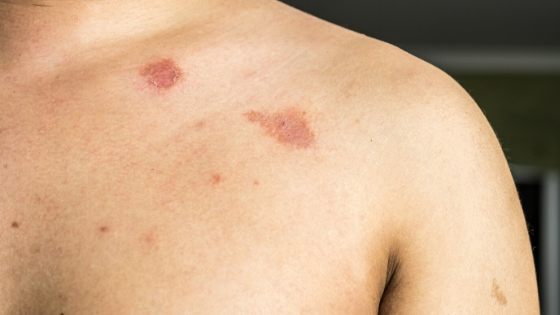
Eczema causes red, itchy, and flaky skin that can be painful and embarrassing. Many people prefer natural options alongside or instead of prescription treatments. Oil of oregano is one such option; it contains compounds with antimicrobial and anti-inflammatory activity that may help some people with certain types of eczema.
Understanding Eczema
Eczema is a group of conditions marked by inflamed, irritated skin. Common types include atopic dermatitis, seborrheic dermatitis, contact dermatitis, and dyshidrotic eczema.
- Atopic dermatitis: chronic, relapsing dry, scaly skin and rashes.
- Seborrheic dermatitis: flaky, oily patches often on the scalp or face; linked to overgrowth of Malassezia yeast.
- Contact dermatitis: skin reaction after exposure to an irritant or allergen.
- Dyshidrotic eczema: small, itchy blisters usually on hands and feet.
Causes vary, but many forms involve immune system hypersensitivity and barrier dysfunction — the skin loses moisture and reacts strongly to triggers. Identifying your eczema type and triggers is important for effective treatment.
Treating Eczema
Medical treatments often combine topical moisturizers, corticosteroids, calcineurin inhibitors, and sometimes systemic medicines for severe cases. These are effective but can have side effects when used long-term.
Some people add botanical remedies to help control symptoms. Scientific studies suggest that certain essential oils and plant compounds have antimicrobial, antifungal, and anti-inflammatory effects in laboratory and limited clinical settings. Oil of oregano is one such product, largely because of its carvacrol content, a compound shown in studies to inhibit microbes and reduce inflammation in lab models.
How Oil of Oregano Works
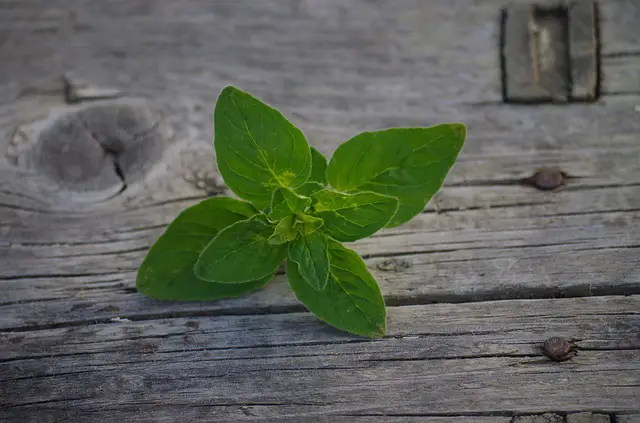
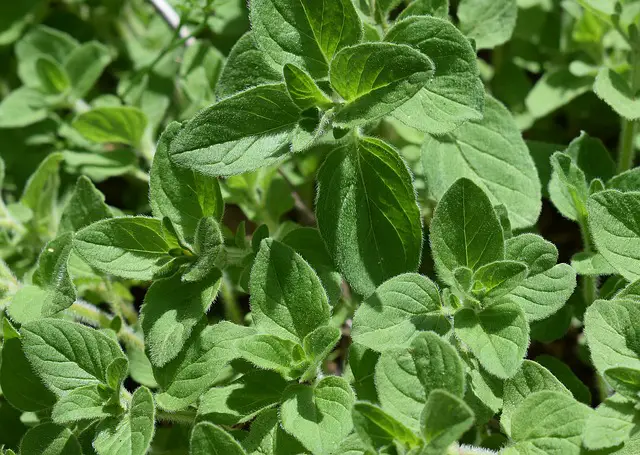
Oil of oregano is distilled from Origanum vulgare (wild oregano). The oil contains phenolic compounds such as carvacrol and thymol that show antimicrobial activity in laboratory studies.
Research indicates oregano oil can inhibit growth of bacteria, fungi, and some parasites in lab tests. That antimicrobial action may help with eczema types where secondary infection or yeast overgrowth (for example Candida or Malassezia species) contributes to flares.
Carvacrol also shows anti-inflammatory effects in preclinical studies, which could reduce redness and itching. However, clinical research on oregano oil specifically for eczema is limited, so evidence is preliminary. Use the oil as a complementary approach, not a guaranteed cure.
Treating Eczema Using Oregano Oil
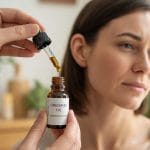
Treating eczema with oregano oil can be done topically or orally, but safety and dilution are important. Never apply undiluted essential oil directly to inflamed skin.
Topical Use
Follow these steps for a safer topical application:
- Patch test first: mix 1 drop oregano oil with 1 teaspoon carrier oil and apply to a small area. Wait 24 hours. If irritation occurs, stop.
- Recommended mixture: about 3 drops oregano oil per teaspoon (5 ml) of carrier oil such as coconut, sweet almond, or olive oil.
- Gently apply to affected areas once or twice daily. Stop if burning, increased redness, or worsening occurs.
Oral Use
Some people use diluted oil of oregano internally, but data on safety and effectiveness for eczema is limited. If considering oral use, choose a product formulated for internal use and follow the manufacturer’s dose instructions. Talk with your healthcare provider first, especially if you take medications or have chronic health conditions.
Combined Use
Using both topical and oral forms is sometimes practiced, but consult your provider before combining methods. Oregano oil may interact with medications and can irritate sensitive skin if misused.
Safety Precautions
Safety is crucial when using essential oils around damaged skin. Follow these precautions:
- Always dilute oregano oil. Undiluted oil can cause chemical burns or worsen inflammation.
- Do a patch test before wider use.
- Avoid oral oregano oil during pregnancy and breastfeeding unless advised by your clinician.
- Keep away from eyes and mucous membranes. If accidental contact occurs, rinse with a carrier oil then water.
- Use caution in children. Seek pediatric guidance before use on infants or young children.
- If you take blood thinners or other prescription drugs, check for interactions with your clinician.
Practical Tips for Managing Eczema
- Maintain regular gentle moisturizing to repair the skin barrier; look for fragrance-free creams or ointments.
- Avoid known triggers such as harsh soaps, fragranced products, and extreme temperature changes.
- If signs of infection appear (increasing pain, spreading redness, pus), see a healthcare provider promptly.
- Consider keeping a symptom diary to identify foods, fabrics, or environments that trigger flares.
Final Thoughts
Oil of oregano contains compounds with antimicrobial and anti-inflammatory activity that may help some people with eczema, particularly when yeast or bacteria play a role. Evidence is mostly from laboratory and limited clinical data, so it should be considered complementary rather than a replacement for medical care.
If you try oregano oil, dilute it, patch test first, and discuss oral use or combined therapies with your healthcare provider. When used carefully, it can be an inexpensive adjunct to standard eczema management.
Our Favorite Eczema Relief Balm
- Naturally balm made from chamomile, lavender, manuka honey, coconut, and jojoba oil
- Fast and safe itch relief
- Reduces the need for toxic chemicals
Sources