Oil of Oregano for Acne
When you buy through links on our site, we may earn an affiliate commission at no additional cost to you (learn more)
The next time you wake up in the morning with an unexpected blemish and want to treat it fast, try reaching for a more natural solution that works to address factors that cause acne and help improve overall skin health. Instead of relying only on harsh chemicals that can dry or irritate, properly used oregano oil can be a helpful addition. This review explains what acne is, how oregano oil may help, safe ways to use it, and when to seek medical care.
Understanding Acne
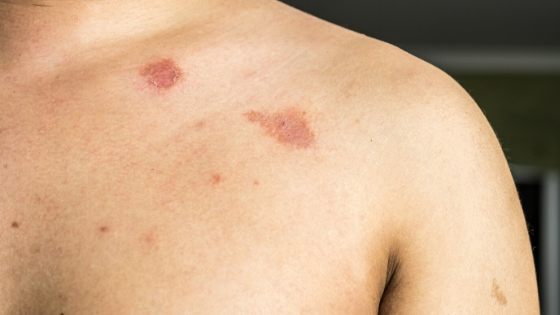
Acne is a common skin condition that shows up as pimples, whiteheads, blackheads, or deeper cysts. It forms when hair follicles on the skin become clogged with excess oil (sebum) and dead skin cells. Bacteria that normally live on the skin can multiply in these clogged follicles and trigger inflammation, which causes the red, painful bumps people call acne.
Acne can affect people of any age. Hormone changes, especially increases in androgens, often raise oil production and lead to more breakouts. Other triggers include certain medications, stress, cosmetics that block pores, and improper skin care. Left untreated, persistent acne can lead to scarring and emotional distress.
Understanding Oregano Oil
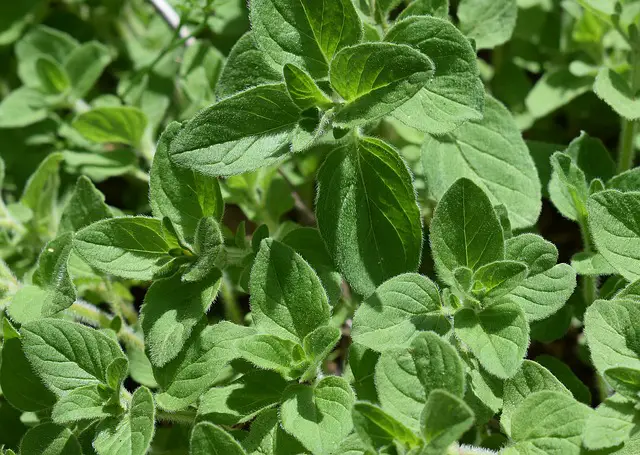
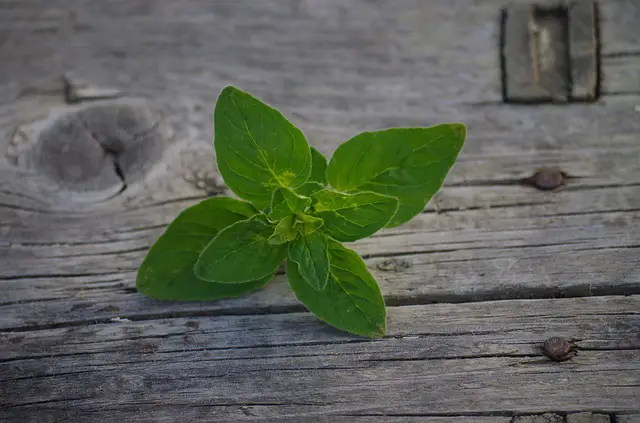
Oil of oregano is an essential oil distilled from Origanum vulgare, a wild relative of the culinary herb. The oil contains compounds such as carvacrol and thymol that studies suggest have antimicrobial and anti-inflammatory properties.
Laboratory and some clinical research indicate oregano oil can reduce the growth of bacteria, yeast, and some viruses. For acne, this matters because lowering bacterial load and inflammation can help pimples settle faster and reduce redness. Oregano oil also contains antioxidant compounds that may support skin healing after inflammation.
These properties make oregano oil a potential complementary option for mild to moderate acne when used carefully and correctly.
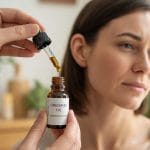
How to Use Oregano Oil for Acne (Safe Methods)
Oregano essential oil is very potent. Applied undiluted it can burn or irritate skin. Always dilute oregano oil and do a patch test before applying to the face.
- Patch test: Mix the diluted preparation you plan to use and apply a small amount to the inner forearm. Wait 24 hours to check for redness, itching, or blistering. If any reaction occurs, stop use.
- General dilution guidelines: For daily face use, a 0.5% to 1% dilution is appropriate. A 1% dilution is roughly 6 drops of essential oil per 30 ml (1 ounce) of carrier oil.
- Spot treatment: For short-term spot use, a 1% to 2% dilution may be used for small areas only. Do not leave a higher-concentration application on large areas of skin for long periods.
- Carrier oils: Choose non-comedogenic carriers that are less likely to clog pores. Options include sweet almond oil (in small amounts), jojoba oil, or fractionated coconut oil. Avoid heavy, pore-clogging oils if you have oily skin.
- Water dilution: Some people add a drop of oregano oil to a cup of water and apply with a cotton swab for short applications. This may sting and is less precise than oil dilutions.
Application steps:
- Cleanse the skin with a gentle, non-comedogenic cleanser and pat dry.
- Apply your diluted oregano oil to the blemish with a clean cotton swab or fingertip.
- Leave on as a spot treatment for a few hours or overnight if no irritation occurs. Remove immediately if burning or strong irritation appears.
- Use no more than once daily on the same spot until you know how your skin reacts.
Oral Use and Supplements
Oregano oil is also sold in capsules or as liquid drops for oral use. Some people take these to target bacteria from within, or to support the digestive system. Evidence for oral oregano oil specifically improving acne is limited, and more research is needed.
If you consider oral oregano oil:
- Follow product label directions and consult a healthcare professional first, especially if you take medications or have chronic health conditions.
- Do not use oral oregano oil if you are pregnant or breastfeeding, as its safety in these situations is not established.
- Be aware of potential interactions with blood-thinning medications and certain other drugs.
Safety Precautions and When to See a Doctor
Oregano oil can cause skin irritation, allergic reactions, or chemical burns if used undiluted or in too high a concentration. People allergic to oregano relatives (basil, sage, marjoram, mint) may also react to oregano oil.
Do not use oregano oil on broken skin or open wounds. Pregnant and breastfeeding women should avoid topical and oral oregano essential oil unless advised by a healthcare provider.
Stop use and seek medical advice if you experience significant burning, blistering, swelling, or spreading redness. Also see a dermatologist if acne is severe, cystic, or causing scarring; these forms usually need prescription treatments.
What the Research Says
Several laboratory studies and small clinical reports suggest oregano oil has antimicrobial and anti-inflammatory effects that are relevant to acne. For example, research has found oregano essential oil can reduce inflammatory cytokine response and inhibit growth of skin pathogens in the lab.
However, larger high-quality clinical trials testing topical oregano oil specifically for acne are limited. Oregano oil may be a useful complementary option for mild acne, but it should not replace evidence-based medical treatments for moderate to severe acne.
Final Thoughts
When used carefully and diluted, oregano oil can offer antimicrobial and anti-inflammatory benefits that may help some people with mild acne or occasional pimples. Start with low dilutions, perform a patch test, and avoid using undiluted oil on the face.
For persistent, cystic, or scarring acne, consult a dermatologist who can recommend proven therapies. If you plan to take oral oregano supplements or combine oregano oil with other medications, check with a healthcare professional first.
Our Favorite Oregano Oil Facial Soap
- Naturally helps heal damaged skin.
- High pure oregano oil content
- Non GMO, Vegan Friendly, and Cruelty Free
LEARN MORE Sources