Kaolin Clay for Hair: Naturally Improve Hair Health
When you buy through links on our site, we may earn an affiliate commission at no additional cost to you (learn more)
We all know that hair health matters. First impressions often include the appearance of ones hair, and many commercial products promise quick fixes. Some of these products use harsh or synthetic ingredients that can strip natural oils and irritate the scalp. Kaolin clay is a gentler, natural alternative that can clean and add body without over-drying.
What is Kaolin Clay?
Kaolin is a naturally occurring clay mineral historically mined in China and used for pottery, porcelain, and cosmetics. Its primarily composed of the mineral kaolinite, a fine powder that gives kaolin its soft texture and white color.
Because of its mild nature, kaolin is commonly used in skincare and some medicinal preparations. Cosmetic-grade kaolin has a low pH and fine particle size, which helps it cleanse without being overly abrasive.
Composition and Common Uses
Kaolin is not a single chemical but a mix of minerals. The principal component is kaolinite. Other common minerals found with kaolin include muscovite, quartz, and feldspar.
Commercially, kaolin is used in paper, ceramics, rubber, and personal care products. Pharmaceutical- or cosmetic-grade kaolin is processed to remove impurities and is the form used in hair and skin preparations.
How Kaolin Works on Hair
Kaolin adsorbs oils and dust from the hair and scalp without stripping all of the natural oils. Adsorption means particles stick to the clay surface like a magnet rather than being chemically dissolved.
Because kaolin has a relatively low absorptive strength compared with other clays, it cleans while leaving some natural sebum behind. This makes it a good option for people who need gentle cleansing or who have dry, brittle hair.
Hair Benefits Backed by Science and Practical Observations
- Gentle cleansing: Studies on clays show they can remove particulates and excess oil; kaolin is one of the milder clays so its less likely to over-dry the hair.
- Scalp soothing: Kaolins mild texture and neutral pH can reduce irritation for sensitive scalps, according to dermatology resources that list kaolin as a skin-friendly ingredient.
- Volume and texture: Clay adds temporary volume by lifting hair strands and removing oil that flattens hair, making styles hold better.
- Mineral content: Kaolin contains trace minerals that can leave hair feeling smoother, though its not a substitute for nutrient-rich treatments.
How to Use Kaolin Clay for Hair
Kaolin can be used alone or mixed into shampoos and masks. Follow these simple, practical methods depending on your hair type and goals.
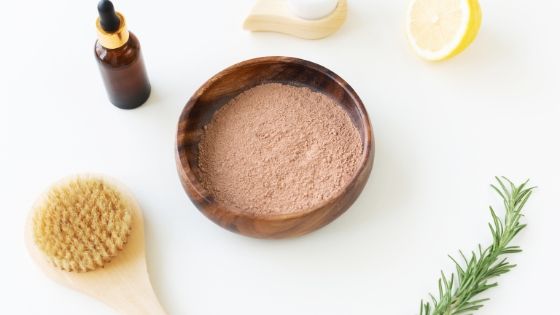
- Dry wash (quick refresh): Mix 1 tablespoon kaolin with a few drops of essential oil for scent. Apply to oily roots, let sit 5 minutes, then brush out thoroughly.
- Deep cleanse mask: Combine 2 tablespoons kaolin with enough water, aloe vera gel, or diluted apple cider vinegar to form a smooth paste. Apply to scalp and hair, leave 50 minutes, then rinse and shampoo normally.
- Shampoo booster: Add a teaspoon of kaolin to your regular shampoo to increase cleansing power without changing your routine much.
Start with shorter contact times the first few uses to see how your scalp and hair respond. Adjust frequency based on hair type: once a week for normal to oily hair, every 2weeks for dry or colortreated hair.
Safety and Precautions
Kaolin is generally recognized as safe for topical cosmetic use when its cosmetic- or pharmaceutical-grade. Use products intended for personal care rather than industrial kaolin.
People with extremely dry scalps or certain scalp conditions should consult a dermatologist before regular use. If you experience increased itching, redness, or flaking after using kaolin, stop use and seek medical advice.
Avoid inhaling the powder. When preparing dry mixes, sprinkle slowly and avoid creating dust clouds to protect your lungs.
Choosing and Storing Kaolin
Look for cosmetic- or pharmaceutical-grade kaolin labeled for skin / hair use. These grades are processed to remove heavy metals and contaminants.
Store kaolin in a cool, dry place in a sealed container. Keep water out of the jar to prevent clumping and microbial growth.
Conclusion
Kaolin clay is a gentle, mineral-rich option for people seeking a natural way to cleanse and refresh hair. It can remove dirt and excess oil while preserving some natural oils, which helps prevent overdrying.
Used correctly, kaolin can add volume, soothe sensitive scalps, and serve as a versatile ingredient in DIY masks and shampoo boosters. Start conservatively and select cosmetic-grade kaolin to ensure safety and effectiveness.
Consider trying small, incremental changes such as adding kaolin to a shampoo or making a simple weekly mask to see if it fits your hair care needs.
Sources
https://www.britannica.com/science/kaolin
https://www.mindat.org/min-2156.html
https://www.webmd.com/vitamins/ai/ingredientmono-44/kaolin
https://www.biome.com.au/blog/diy-natural-shampoo-paste/