Herbs for Menstrual Cramps- Natural Home Remedies
When you buy through links on our site, we may earn an affiliate commission at no additional cost to you (learn more)
If you are one of the millions of women who suffer from menstrual cramps, then you may be excited to learn that you can treat your pain and other symptoms naturally, without medications. Herbs have been used for centuries to treat all types of disorders, and several herbal treatments are just as effective at treating menstrual cramps as more traditional methods. This guide will walk you through understanding your symptoms and finding the right herbal remedies for your needs.
Understanding Menstrual Cramps
Dysmenorrhea is the medical term for menstrual cramps. This condition is characterized by pains and aches in the lower abdomen, which can radiate into the thighs and lower back. Most women experience cramps in the days before and throughout their menstrual cycle, and these cramps may also be accompanied by other symptoms, including:
-
Digestive problems and bloating
-
Headaches and migraines
-
Nausea and vomiting
-
Dizziness and fatigue
-
Mood changes and irritability
The conventional treatment for menstrual cramps is the use of over-the-counter or prescription-strength NSAID pain relievers. But you should be cautious about taking these medications regularly or in high doses, as they can permanently damage your liver. If you are seeking a natural treatment for your cramps, then you can use one of the many herbs we discuss below to relieve your pain and help manage your other menstrual symptoms.
Why Choose Herbal Remedies?
Many women are turning to herbal treatments as a first line of defense against menstrual discomfort. Herbs offer a gentler approach that works with your body’s natural processes rather than simply masking symptoms. Unlike pharmaceutical options, many herbal remedies have been used safely for generations with minimal side effects when used appropriately.
Another benefit of herbal treatments is that they often address multiple symptoms at once. While a pain reliever might only target cramping, certain herbs can simultaneously help with bloating, mood changes, and digestive issues. This holistic approach can be particularly appealing for women who experience a range of PMS symptoms.
It’s also worth noting that herbal remedies can be incorporated into your daily routine in various ways. Whether you prefer sipping a warm tea, taking a supplement, or using essential oils, there are multiple methods to find relief that fits your lifestyle and preferences. Some key advantages of herbal remedies include:
-
Fewer side effects compared to pharmaceutical options
-
Multiple delivery methods to suit your preferences
-
Ability to address several symptoms simultaneously
-
Cost-effective and widely available
-
Can be used preventatively or as needed
Herbal Treatments For Menstrual Cramps
Ginger
Of the many herbs that are recommended for treating dysmenorrhea, ginger is a top pick. Ginger supplies a warming effect that can help to ease cramping as well as lower levels of prostaglandins, which are thought to be the cause of menstrual cramps. For those who experience nausea with their periods, ginger is also an excellent treatment for this uncomfortable symptom. You can consume ginger as a tea, in capsule form, or even add fresh ginger root to your meals and smoothies.
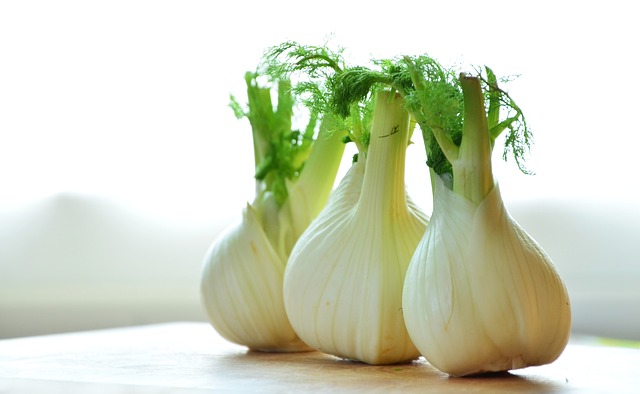
Fennel
Fennel is another popular choice for treating menstrual cramps. This herb has anethole, which is a natural compound with anti-spasmodic effects. Fennel can also calm digestive disorders that many women experience during their menstrual cycle. Try brewing fennel seed tea or taking fennel supplements starting a few days before your period begins for best results.
Frankincense and Myrrh
When combined, these two herbs are an effective treatment for cramps. Frankincense and myrrh are known to reduce inflammation as well as lower pain. They have been used for centuries to treat women’s needs, including during childbirth and menstruation. These ancient remedies can be taken as supplements or applied topically when diluted in a carrier oil.
Corydalis
Corydalis has long been used for treating menstrual cramps in Traditional Chinese Medicine. It is a powerful anti-inflammatory as well as a natural pain reliever. Many women have relied on this herb to help them with their menstrual symptoms. This herb is particularly effective for those who experience sharp, intense cramping pain.
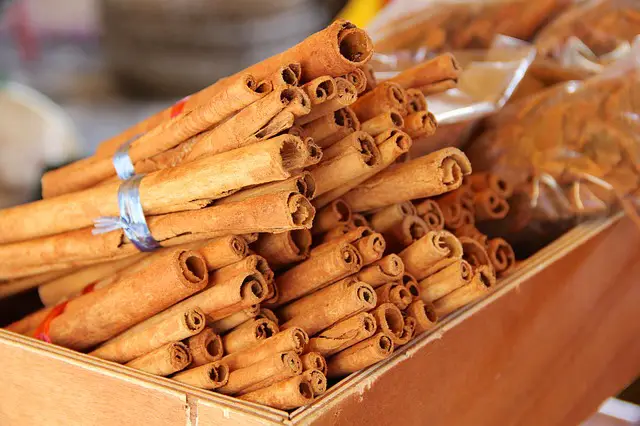
Cinnamon
Cinnamon is another herb that may help with your dysmenorrhea. Cinnamon has been shown to help with severe menstrual pain. In addition to reducing pain, cinnamon may able be able to reduce the volume of your menstrual bleeding and help with nausea, vomiting, and other digestive problems associated with PMS. Simply add cinnamon to your tea, coffee, or food during your menstrual cycle.
Evening Primrose Oil
Evening primrose is effective at relieving symptoms associated with PMS, which may include decreasing the intensity and frequency of cramps. This oil is rich in gamma-linolenic acid (GLA), which helps regulate hormonal balance and reduce inflammation. Many women find success taking evening primrose oil daily throughout their cycle.
Turmeric
Turmeric is a powerful anti-inflammatory, which can be helpful for those with severe cramps. Be careful using this herb with blood thinners or if you have a history of gallbladder problems. The active compound in turmeric, curcumin, works to reduce inflammation and may help regulate menstrual flow.
Black cohosh
This herb was once used by native women in North American to treat menstrual problems. It reduces pain and can help calm nervous tension which is commonly associated with PMS. Black cohosh is particularly helpful for women who experience mood swings and anxiety alongside their physical symptoms.
How to Use Herbs for Menstrual Cramps
If you are taking any medications, including those for bleeding disorders or hormone replacement, you should talk with your doctor about which herbs may be the right choice for you. The herbs described here are generally available as dried extracts in either pill, tablet, or capsule form, as a tea, or in tinctures or liquid extracts. You can mix liquid extracts with your favorite drink, and dried extracts can be taken with meals.
Here are some tips for getting started with herbal remedies:
-
Begin with one herb at a time to see how your body responds
-
Start taking herbs a few days before your period begins for preventative relief
-
Keep a journal to track which herbs work best for your specific symptoms
-
Combine herbs strategically for enhanced benefits
-
Be consistent with your dosing for optimal results
-
Always purchase herbs from reputable sources to ensure quality and purity
Remember that while herbs are natural, they are still powerful substances that can interact with medications and medical conditions. It’s always best to consult with a healthcare provider or herbalist before beginning any new herbal regimen, especially if you have underlying health concerns or are pregnant or nursing.
Sources