Essential Oils for Impetigo
When you buy through links on our site, we may earn an affiliate commission at no additional cost to you (learn more)
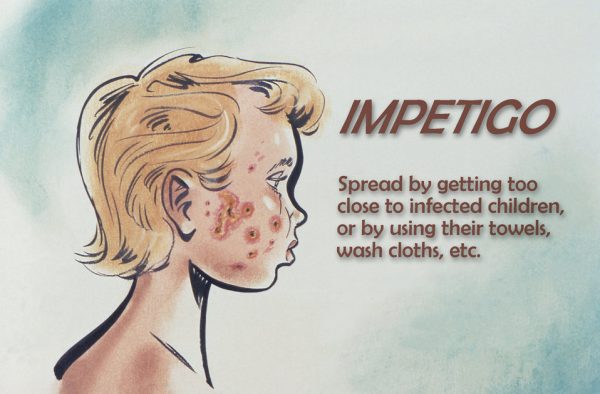
Impetigo is a common bacterial skin infection that spreads easily, especially among young children. It causes small blisters that can burst and form a crusty, brownish scab. Prompt care reduces symptoms, shortens healing time, and helps stop spread to others.
Understanding Impetigo
Two bacteria usually cause impetigo: Staphylococcus aureus and Streptococcus pyogenes. These organisms enter through breaks in the skin, such as insect bites, cuts, or areas affected by eczema. Children are at higher risk because of close contact in schools and playgrounds.
The infection is most contagious while blisters are present and weeping. Cleaning the area and avoiding contact with others while sores are open helps limit transmission. Mild cases can resolve on their own, but effective topical care speeds recovery and lowers the risk of complications.
Essential Oils and Carrier Oils That May Help
Some essential oils show antibacterial activity in laboratory studies and have long histories of topical use. Below are oils commonly used alongside a gentle carrier oil for skin healing. Studies suggest these oils have properties such as antibacterial or anti-inflammatory effects, but they are not a replacement for medical care when an infection is severe.
Coconut Oil (Carrier)
Coconut oil is an effective carrier oil for topical use because it contains lauric acid, which has antimicrobial properties. It also helps moisturize and protect skin while other active oils work.
Use virgin, unrefined coconut oil for best results. It can be applied alone to soothe skin or used as the main carrier for diluted essential oils.
Tea Tree Oil
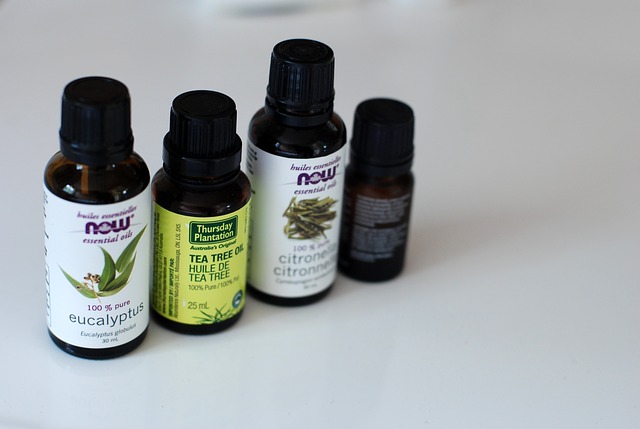
Tea tree oil (Melaleuca alternifolia) is known for broad-spectrum antimicrobial effects in lab studies. It is commonly used for minor skin infections and may reduce bacteria on the skin when properly diluted.
Tea tree oil can irritate sensitive skin if used undiluted, so always blend into a carrier oil before applying.
Eucalyptus Oil
Eucalyptus oil has antimicrobial compounds and has been shown to inhibit some bacteria species in lab tests. Use caution near the mouth and nose of young children; ingestion or heavy inhalation can be harmful to infants and toddlers.
Grapefruit Seed Extract
Grapefruit seed extract is reported to have antimicrobial activity and a pleasant scent, which can help with adherence to topical care. Quality varies between products, so choose a reputable source.
Neem Oil
Neem oil has traditional use in treating skin conditions and shows antibacterial activity in studies. It is thicker and strongly scented; patch-test a small area before broader application.
How to Use These Oils Safely
Essential oils are concentrated. Dilution and safe application matter. Below are practical, science-informed steps for topical use.
- Clean the area gently with mild soap and water and pat dry with a clean towel.
- Mix essential oil into a carrier oil. A safe starting dilution for children over 2 and adults is 0.5–1.0% (about 3–6 drops of essential oil per ounce [30 ml] of carrier). For adults, 1–2% (6–12 drops per ounce) is commonly used for short-term treatment of minor skin issues.
- Perform a patch test: apply a small amount to a healthy area and wait 24 hours to check for irritation.
- Apply a thin layer to the affected area 1–3 times daily, covering lightly with a clean dressing if needed.
Example topical blends
- Mild child-safe blend (0.5%): 3 drops total tea tree + eucalyptus in 1 ounce virgin coconut oil.
- Adult blend (1%): 6 drops tea tree + 4 drops grapefruit seed extract in 1 ounce coconut oil.
- Neem option: use pure neem sparingly; apply a thin layer once daily or mix 1 teaspoon neem into 1 ounce coconut oil for a milder scent.
Prevention and Practical Care
Prevention is central to managing impetigo in households and schools. Simple hygiene steps reduce spread and speed recovery.
- Wash hands frequently and keep fingernails short to prevent scratching and spreading bacteria.
- Keep sores clean and, when practical, covered with loose dressings until healed.
- Avoid sharing towels, clothing, or bedding with infected individuals; wash these items in hot water during active infection.
- Discourage picking or scratching scabs to minimize scarring and secondary infection.
When to See a Healthcare Provider
Essential oils can support gentle care for mild cases, but medical assessment is important if symptoms worsen or do not improve. See a provider if any of the following occur:
- Rapid spread of lesions or increasing redness and warmth around sores.
- Fever, swollen lymph nodes, or signs of systemic illness.
- No improvement after 48–72 hours of proper wound care and topical measures.
- Sores near the eyes or mouth in very young children, or if the person has a weakened immune system.
Safety Notes
Keep essential oils out of reach of children. Never ingest essential oils unless under guidance of a qualified clinician. Avoid applying strong oils near the eyes, mouth, or mucous membranes. If irritation or allergic reaction occurs, stop use and wash the area with mild soap and water.
For infants and children under 2, consult a pediatrician before using essential oils. For pregnant or breastfeeding individuals, seek medical advice before topical use.
Summary
Some essential and carrier oils have antibacterial and skin-soothing properties that may support recovery from mild impetigo when used safely. Coconut and neem provide moisturizing and antimicrobial carrier benefits, while tea tree, eucalyptus, and grapefruit seed extract have demonstrated antibacterial effects in studies. Follow safe dilution guidelines, keep affected areas clean, and seek medical care if the infection spreads, worsens, or does not improve.