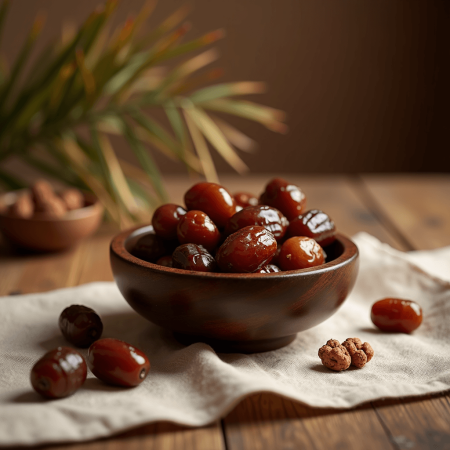
Dates for Women’s Health: Nature’s Nutrient-Dense Energy Source
Table of Contents
When you buy through links on our site, we may earn an affiliate commission at no additional cost to you (learn more)
Dates have been nourishing women across cultures for thousands of years, and modern nutrition science confirms why. These naturally sweet fruits pack an impressive nutrient profile specifically beneficial for women’s hormonal health, energy, and overall wellness. Unlike processed sweets, dates deliver sustained energy through whole-food complexity, making them an excellent choice for anyone navigating the demands of daily life.
The Science Behind Dates and Women’s Health
Dates aren’t just a feel-good food—they contain specific compounds that support women’s bodies at every life stage. The magnesium in dates (about 36mg per 100g) helps regulate progesterone and estrogen levels by supporting the endocrine system. This mineral acts as a cofactor in over 300 enzymatic reactions, including those that govern hormonal balance, which is why women often experience improved cycle regularity and reduced PMS symptoms when magnesium intake increases.
The natural sugars in dates (glucose, fructose, and sucrose) are accompanied by soluble fiber, particularly beta-glucans. This combination slows sugar absorption into the bloodstream, preventing the energy crashes associated with refined sweets. Your body receives a steady glucose supply, stabilizing cortisol and insulin—both critical for managing stress and mood during hormonal fluctuations.
Additionally, dates contain polyphenols and flavonoids, powerful antioxidants that protect reproductive tissues from oxidative stress. Research published in *Nutrition Reviews* shows these compounds support cellular health and may reduce inflammation associated with menstrual discomfort.
Key Nutrients Found in Dates
Nutrient
Amount (per 100g)
Benefit for Women
Magnesium
36mg
Supports hormonal regulation and reduces PMS
Iron
0.9mg
Replenishes blood loss during menstruation
Potassium
656mg
Maintains fluid balance and muscle function
Fiber
6.7g
Supports digestive health and hormone detoxification
Calcium
64mg
Strengthens bones, especially important pre-menopause
Women of childbearing age benefit significantly from dates’ iron and folate content. Iron losses during menstruation can lead to fatigue and reduced oxygen capacity, particularly for women with heavy periods. The 0.9mg of iron per 100g of dates, when combined with vitamin C (from pairing dates with citrus), becomes more bioavailable. The natural sugars also provide quick energy during low blood sugar episodes common in the luteal phase of the cycle.
For women trying to conceive, dates’ magnesium and antioxidant profile support reproductive health. The polyphenols reduce inflammation in the uterus and improve blood flow to reproductive organs—both factors associated with better fertility outcomes.
During Pregnancy
Dates hold special significance for pregnant women, supported by both tradition and science. A 2015 study published in *Nutrition Journal* found that consuming 6 dates daily in the final weeks of pregnancy was associated with shorter labor duration and increased cervical dilation. This may be due to compounds in dates that enhance oxytocin receptivity, the hormone responsible for uterine contractions.
The fiber supports digestive health during pregnancy when constipation often occurs due to hormonal changes. The iron content helps prevent gestational anemia, a condition affecting 25% of pregnant women globally.
During Perimenopause and Menopause
As estrogen declines, women face increased risk of bone loss, mood fluctuations, and energy crashes. Dates’ calcium, magnesium, and boron content (trace mineral critical for calcium absorption) support bone density maintenance. The antioxidant compounds also provide neuroprotection during hot flashes and support the hippocampus—the memory center often affected during menopause.
The serotonin-supporting B vitamins and natural sweetness help stabilize mood without relying on processed desserts that spike blood sugar and worsen hot flashes.
Practical Ways to Incorporate Dates
Energy Bites for Afternoon Slumps
Simple Recipe: Blend 1 cup pitted dates with 1/2 cup almonds and 1 tablespoon cocoa powder. Roll into balls and refrigerate. The complex carbs plus fat and protein create sustained energy lasting 3-4 hours, preventing the cortisol spike from caffeine dependence.
Hormone-Supporting Smoothie
Ingredients: 3 pitted dates, 1 cup unsweetened almond milk, 1 tablespoon almond butter, 1/2 frozen banana, pinch of sea salt, 1/4 teaspoon vanilla. This smoothie delivers magnesium, iron, and plant-based calcium while the natural sweetness eliminates refined sugar cravings.
Medjool Dates as a Dessert Replacement
A single Medjool date (the largest variety) satisfies sweet cravings with 66 calories and 18g of carbohydrates, plus the fiber-to-sugar ratio prevents blood sugar spikes. Pair with a tablespoon of tahini or almond butter for sustained satiety.
Dates in Your Morning Routine
Soak 3-4 dates in warm water overnight to soften them, then blend into your morning coffee with a splash of oat milk. This “date latte” provides natural sweetness, iron, and magnesium without added sugars or synthetic sweeteners.
Choosing and Storing Dates Wisely
Best varieties for women’s health:
Medjool: Highest in antioxidants and polyphenols; larger and chewier, satisfies sweet cravings easily
Deglet Noor: Slightly lower sugar, more fiber; better for blood sugar management
Barhi: Creamy texture; rich in tannins that support digestive and reproductive health
Look for organic, pitted dates without added sugars or oils. Store in a cool, dry place in an airtight container—they’ll keep for up to a year. Refrigeration extends freshness if your kitchen stays warm.
Avoid date “paste” or “syrup” products, which concentrate sugars and remove fiber. Whole dates deliver the complete nutrient package your body needs.
The NutriGuide Pro-Tip
Time your date consumption strategically. Eat dates in the luteal phase (the second half of your cycle) when magnesium needs increase by 30% and energy dips. A date paired with protein (almonds, tahini, or Greek yogurt) in the afternoon supports serotonin production, naturally countering the mood dips common before menstruation. For menopausal women, incorporate dates into morning meals to stabilize blood sugar before temperature fluctuations begin, reducing hot flash severity by supporting steady cortisol patterns.