Coriander (Cilantro) for Thyroid- Get Natural Relief
When you buy through links on our site, we may earn an affiliate commission at no additional cost to you (learn more)
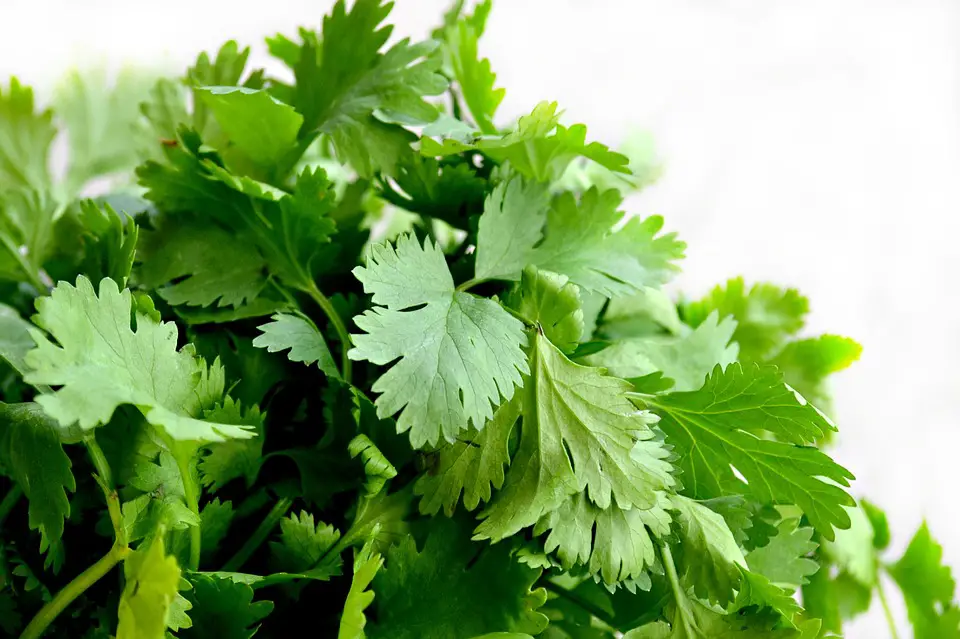
Are you experiencing issues with your thyroid? Coriander (the seeds) and cilantro (the fresh leaves) are the same plant and have been used in traditional medicine for digestion and metabolic health. Some people use them to support thyroid function alongside conventional care.
What is the thyroid and how can food help?
The thyroid is a small gland in the front of the neck that makes hormones. Those hormones control metabolism, energy level, body temperature, and many other body processes. When the gland makes too little hormone (hypothyroidism) people often feel tired, gain weight, and have dry skin.
When it makes too much hormone (hyperthyroidism) people may lose weight, feel anxious, or have a fast heartbeat. Diet and plant foods do not replace medications for thyroid disease, but some foods can support overall nutrition and certain body processes that affect the thyroid.
How coriander and cilantro may help
Coriander seeds and cilantro leaves contain vitamins, minerals, and plant compounds. They are a source of potassium, iron, calcium, and small amounts of vitamin C. They also contain antioxidant compounds that studies suggest can reduce inflammation and protect cells from damage.
Laboratory studies on plant extracts show coriander may influence enzymes involved in hormone making and protect the thyroid from oxidative stress. That does not mean it cures thyroid disease, but it provides a plausible biological reason people report benefit.
Simple ways coriander might support thyroid-related health:
- Providing antioxidants that help limit cell damage around the thyroid.
- Adding nutrients such as iron and zinc in small amounts; these minerals are important for healthy thyroid function.
- Improving digestion and blood sugar balance, which indirectly supports metabolic health.
How to use coriander and cilantro safely
Here are practical, low-risk ways people commonly use coriander and cilantro. These are food-based approaches, not medical treatments.
- Coriander seed water: Crush 1 teaspoon of coriander seeds and steep in 8 ounces of boiling water for 5 6 minutes. Strain and drink once or twice daily.
- Tea or infusion: Use 1 teaspoon seeds per cup and steep 70 minutes. Cool before drinking.
- Fresh cilantro: Add a handful of chopped cilantro to salads, salsas, soups, or make a cilantro pesto to use as a sauce.
- Smoothies: Blend a small handful of cilantro leaves into smoothies for flavor and nutrients.
These food uses are generally safe for most people when eaten in typical culinary amounts. They add flavor and nutrients without major risk.
Precautions and interactions
Talk with your healthcare provider before using concentrated herbal preparations or making major changes if you have thyroid disease. This is important because thyroid conditions are treated with medications that require careful dosing.
Specific precautions:
- Medication timing: If you take levothyroxine (common for hypothyroidism), keep at least a 4-hour gap between the medication and any herbal teas or high-fiber meals to avoid absorption issues.
- Allergy: Some people are allergic to cilantro and coriander. Symptoms include itching, swelling, or gastrointestinal upset. Stop use and seek care if you have an allergic reaction.
- Autoimmune thyroid disease: If you have Hashimotos or Graves disease (autoimmune causes), discuss diet changes with your clinician. Herbs can affect immune activity in unpredictable ways.
- Pregnancy and breastfeeding: There is limited data on high-dose herbal use in pregnancy. Stick to normal culinary amounts unless a clinician advises otherwise.
What results can you expect?
Most people using coriander or cilantro as food notice subtle changes such as improved digestion or better flavor variety. Any measurable change in thyroid hormone levels is unlikely from food alone.
If you try coriander seed water or add cilantro to meals, monitor symptoms and lab tests under medical supervision. Report any unusual symptoms such as heart palpitations, rapid weight change, or extreme fatigue promptly.
Helpful tips
- Consistency: Try culinary use or a daily cup of coriander infusion for at least 20 weeks before judging benefit.
- Balance: Include iodine-rich foods and a varied diet to support thyroid health; iodine is an essential building block for thyroid hormones.
- Quality: Use fresh cilantro or whole coriander seeds rather than unknown powdered supplements when possible.
How to identify thyroid problems (video)
Summary
Coriander (seed) and cilantro (leaves) are flavorful, nutrient-containing herbs that may support general health and provide antioxidants. They do not replace medical treatment for thyroid disease, but they are safe dietary additions for many people.
Before trying herbal or concentrated forms, check with your healthcare provider—especially if you take thyroid medication or have an autoimmune thyroid condition. Use culinary amounts or mild infusions, watch for allergies, and track symptoms and lab results with your clinician.