Coffee Grounds: Your Natural Ant Defense Strategy
When you buy through links on our site, we may earn an affiliate commission at no additional cost to you (learn more)
There’s nothing quite like discovering a trail of ants marching across your kitchen counter to disrupt your peaceful morning routine. While chemical ant sprays promise quick results, they often leave us wondering about the safety of using harsh pesticides around our food and family. What if we told you that your daily coffee habit might hold the key to keeping these persistent visitors at bay?
The Chemistry Behind Coffee’s Ant-Repelling Power
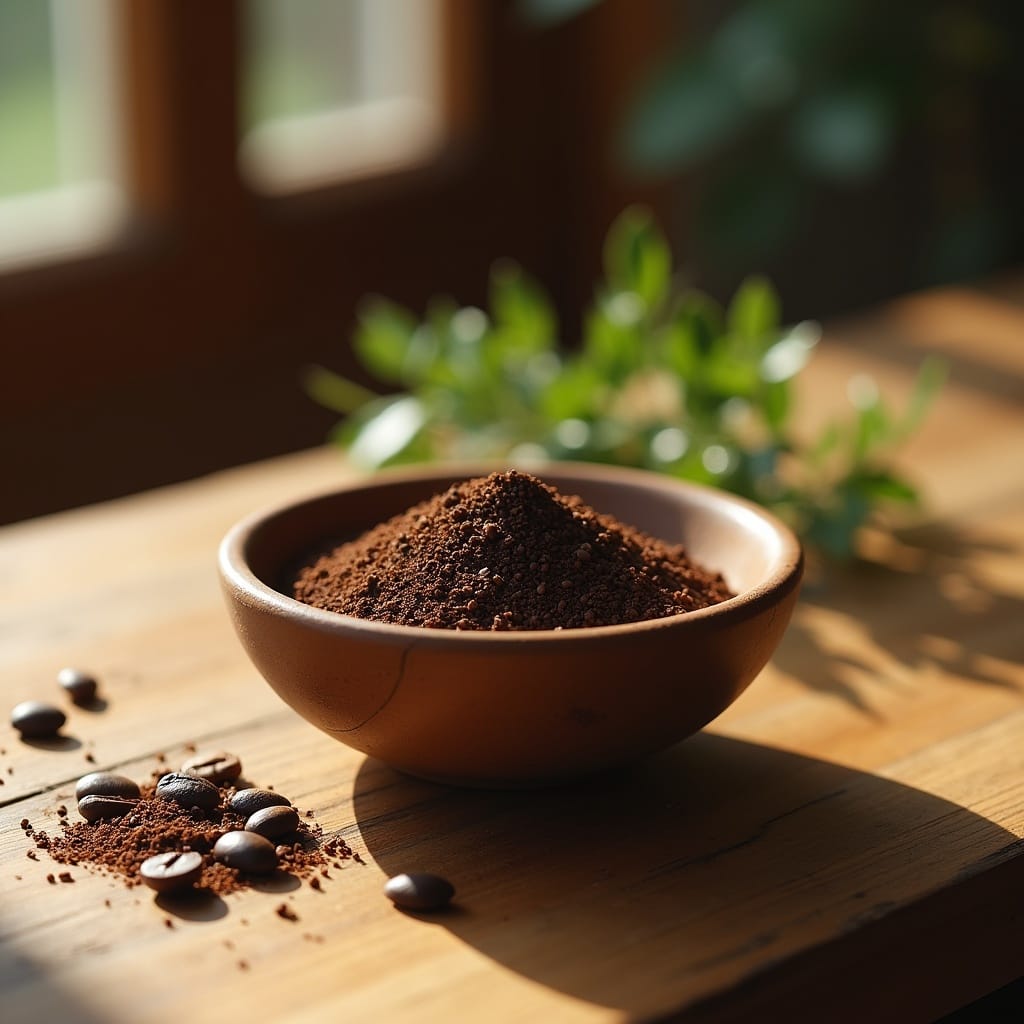
Coffee grounds work as a natural ant deterrent through several fascinating mechanisms that tap into ants’ unique biology and behavior patterns. The primary active compound, caffeine, acts as a natural pesticide that disrupts insects’ nervous systems when consumed in sufficient quantities. However, the real magic happens through scent disruption and texture barriers that make ants want to avoid treated areas entirely.
Ants rely heavily on pheromone trails—chemical breadcrumbs they leave behind to guide their colony members to food sources. The strong, acidic aroma of coffee grounds masks these crucial scent markers, essentially scrambling their GPS system. Additionally, the gritty texture of used grounds creates an uncomfortable walking surface that most ant species prefer to navigate around rather than trudge through.
Research published in the Journal of Agricultural and Food Chemistry reveals that caffeine concentrations found in coffee grounds can be lethal to insects at close contact, though the primary benefit comes from repulsion rather than elimination. The pH level of coffee grounds (around 6.2) also creates an environment that many ant species find inhospitable for establishing trails near their preferred alkaline pathways.
Most Effective Coffee Ground Applications
Fresh vs. Used Grounds: Which Works Better?
While both fresh and used coffee grounds contain ant-repelling properties, used grounds often prove more effective for several reasons. The brewing process concentrates certain compounds while reducing others, creating an optimal balance of scent and caffeine content. Used grounds also have higher moisture content initially, which helps them stick to surfaces and slowly release their aromatic compounds over time.
Fresh grounds pack a more intense caffeine punch, but they can be wasteful and expensive to use in large quantities. We recommend saving your daily used grounds and supplementing with small amounts of fresh grounds only when dealing with persistent infestations.
Strategic Placement Techniques
Entry Point Barriers: Sprinkle a thin line of coffee grounds across windowsills, door thresholds, and any cracks where ants enter your home. The key is creating continuous barriers that ants must cross to reach their destination.
Kitchen Counter Protection: Create small piles of grounds near fruit bowls, sugar containers, and other ant magnets. Replace every 3-4 days to maintain potency, or when grounds become completely dry and lose their aroma.
Outdoor Perimeter Defense: Apply used grounds around the foundation of your home, focusing on areas where vegetation meets the building. This creates an early warning system that deters ants before they reach indoor entry points.
Application Schedule and Maintenance
Coffee grounds lose their effectiveness as they dry out and their aromatic compounds dissipate. For optimal results, reapply every 2-3 days indoors and weekly for outdoor applications. During rainy seasons, you may need to refresh outdoor applications more frequently as moisture accelerates decomposition.
| Location | Replacement Frequency | Amount Needed |
|---|---|---|
| Kitchen counters | Every 3-4 days | 1-2 tablespoons per area |
| Windowsills/doorways | Every 2-3 days | Thin continuous line |
| Outdoor perimeter | Weekly (more if rainy) | 1/4 cup per linear foot |
| Garden beds | Bi-weekly | Light sprinkling |
Maximizing Effectiveness with Companion Methods
Essential Oil Enhancement
Boost your coffee grounds’ ant-repelling power by adding a few drops of peppermint, lemon, or tea tree essential oil. These oils contain compounds like menthol and limonene that further disrupt ant pheromone trails. Mix 3-4 drops of oil per cup of coffee grounds and let them absorb for 30 minutes before application.
Cinnamon and Spice Combinations
Combining coffee grounds with ground cinnamon creates a double barrier that ants find particularly offensive. Cinnamon contains cinnamaldehyde, which interferes with ants’ scent receptors in a different way than caffeine, creating a more comprehensive deterrent effect.
Diatomaceous Earth Integration
For severe infestations, mix food-grade diatomaceous earth with your coffee grounds in a 1:3 ratio. The microscopic sharp edges of diatomaceous earth create physical barriers while the coffee provides chemical deterrence. This combination is particularly effective around outdoor entry points.
What to Expect and Troubleshooting
Timeline for Results
Most homeowners notice a reduction in ant activity within 24-48 hours of initial application. However, complete deterrence may take up to a week as existing pheromone trails fade and ants establish new routes that avoid treated areas. Patience is key—resist the urge to over-apply, which can create messy buildup without additional benefits.
When Coffee Grounds Don’t Work
Some ant species show higher tolerance to coffee-based deterrents, particularly carpenter ants and certain aggressive species during peak season. If you don’t see results after two weeks of consistent application, the colony may be too established or motivated by urgent needs like drought conditions driving them indoors for water.
Additionally, coffee grounds work best as prevention rather than elimination. If you’re dealing with an active infestation inside your walls or a large outdoor colony, you may need professional intervention combined with coffee ground barriers to prevent re-entry.
Beyond Ant Control: Bonus Benefits
Your used coffee grounds serve double duty in the garden, where they slowly decompose to add nitrogen to soil and improve drainage in clay-heavy areas. Many plants, including azaleas, blueberries, and tomatoes, thrive in the slightly acidic conditions coffee grounds create over time.
The grounds also deter other garden pests like slugs, snails, and some fungal diseases, making them a valuable addition to your organic gardening toolkit. Just remember to use them sparingly—too much can alter soil pH dramatically and harm sensitive plants.
The NutriGuide Pro-Tip
Create a “coffee ground station” by keeping a small container with a tight-fitting lid near your coffee maker. Add each day’s used grounds and mix in a few drops of peppermint essential oil weekly. This creates a ready-to-use ant deterrent that stays fresh longer than grounds left exposed to air. When applying outdoors, choose early morning or evening hours when ants are most active—this ensures maximum exposure to your natural barrier right when they’re establishing new trails.
Remember, the most effective ant control combines multiple strategies. Use coffee grounds as your primary defense while addressing root causes like food crumbs, standing water, and entry point sealing. This holistic approach creates an environment where ants simply prefer to look elsewhere for their needs, giving you lasting peace of mind without harsh chemicals.