Peppermint Oil for Ants: Easy Spray Recipe

When you buy through links on our site, we may earn an affiliate commission at no additional cost to you (learn more)
As the weather warms and insects become more active, you may be dealing with an ant invasion. Before buying harsh pesticides or expensive traps, try a simple, plant-based approach that many people find helpful. Peppermint essential oil is known for a strong scent that can disrupt how ants communicate. Studies suggest that certain essential oils can repel ants or change their foraging behavior, making oils a useful part of a broader pest plan.
Find the Source First
To stop ants for good, start by finding how they enter your home and what is attracting them. Ants look for food and water. Check the kitchen, under sinks, around windows and doors, and in any cracks in walls or floors.
Clean away crumbs and sticky residues. Vacuum counters, floors, and drawers. Mop hard floors to remove invisible sweet residues. Wipe surfaces with a 1:1 mix of white vinegar and water to remove scent trails ants follow.
Make a Peppermint Oil Spray
Peppermint oil smells strong to humans and is unpleasant to many insects. It likely interferes with ants’ chemical signals, which they use to find food and follow paths back to their nest. Use peppermint oil as a barrier or a spot treatment where you see ants.
Basic spray recipe:
- In a 16 ounce spray bottle add 12 to 20 drops of peppermint essential oil.
- Add one-quarter cup of white vinegar.
- Fill the rest of the bottle with water and shake to combine before each use.
Tips for use:
- Spray entry points such as door frames, window sills, baseboards, and cracks in the floor.
- Spritz any visible ant trails and wipe them away after spraying to remove pheromone marks.
- Reapply every few days or after cleaning, because the scent fades over time.
For a stronger mixture that may also kill ants on contact, try this variation used by some households: combine one-quarter cup white vinegar, 15 drops peppermint oil, five drops clove oil, ten drops orange oil, then add one-quarter cup water to make a concentrated solution. Use sparingly and spot-test surfaces first.
Try Mighty Mint!
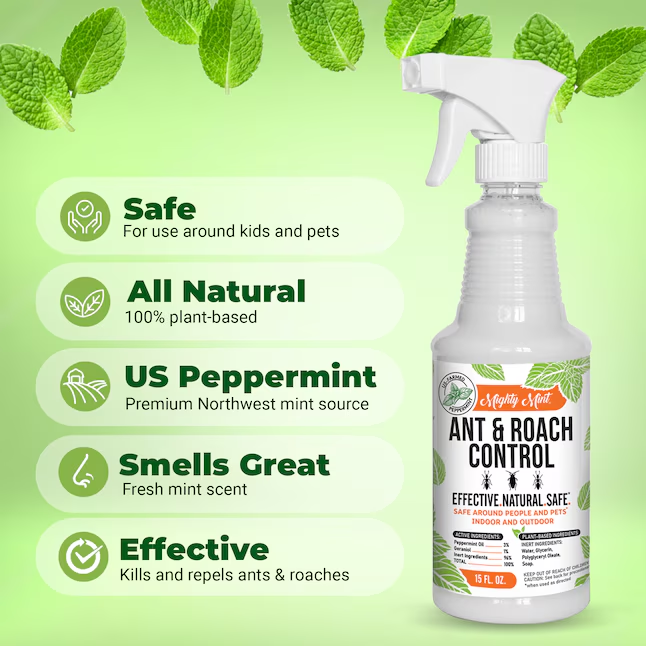
Save time and effort with a premade and proven peppermint-based oil designed to get rid of insects and other household pests
Other Practical Steps to Deter Ants
Using peppermint spray works best when paired with prevention. Add these steps to reduce the chance of returning ants.
- Store food in airtight containers and clean up spills immediately.
- Wash trash cans and recycling bins regularly. Consider storing outdoor trash if indoor cans attract ants.
- Remove shelf paper in drawers where crumbs can hide, and clean pet food dishes after each meal.
- If ants are in houseplants, remove the plant, rinse roots, repot with fresh sterile soil, and clean the pot before returning it indoors.
Safety and Precautions
Essential oils are concentrated plant extracts. They are powerful and need careful use. Never apply undiluted oil directly to skin, plants, or furniture without testing, because oils can damage finishes or irritate skin.
Keep essential oils out of reach of children and pets. Some oils are toxic to pets, especially cats. If you have pets, choose pet-safe methods and consult a veterinarian when in doubt.
When spraying near food prep areas, cover food and rinse surfaces that touch food after using the spray. Avoid spraying on painted, stained, or varnished wood without spot-testing first. If you notice surface damage, stop use on that surface.
If ants remain after trying natural methods, consider contacting a pest professional. A pest pro can identify the species and recommend targeted, safe control methods.
Why This Works (Simple Science)
Ants rely on pheromones, which are chemical signals they leave as trails to food and back to the nest. Strong-smelling oils such as peppermint can mask or disrupt these scent trails. Research shows that some essential oils can alter ant foraging and reduce attraction to treated areas. That does not guarantee a permanent fix, but it can reduce ant activity when combined with good sanitation and sealing entry points.
Quick Troubleshooting
- If you keep seeing ants in the same place, there may be an active nest nearby. Treat the entry points and search outside for nests near foundations or in soil.
- If the oil spray stains a surface, wipe it immediately with a mild soap and water solution.
- If you have many small children or pets, place cotton balls soaked in diluted peppermint oil inside sealed containers near entry points instead of spraying often.
Sources