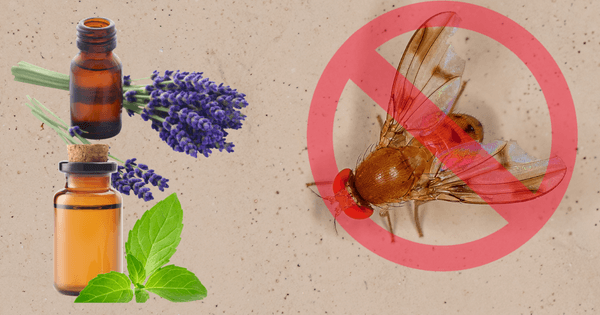
Cedarwood Oil For Fleas & Pests

When you buy through links on our site, we may earn an affiliate commission at no additional cost to you (learn more)
Cedarwood Oil for Fleas and Household Pests
Cedarwood essential oil is distilled from the wood of cedar trees and has a long history of use as an insect repellent. Its scent contains compounds such as cedrol and other sesquiterpenes, which studies suggest can disrupt insect behavior and act as a mild toxicant to some pests. This makes it a popular, natural option for people looking to reduce fleas, ticks, and other household pests using fewer synthetic pesticides.
Research indicates cedarwood oil has repellent and insecticidal activity against a range of arthropods. While results vary by species and concentration, lab studies and some field reports show reduced flea and tick activity when cedarwood oils are applied in appropriate ways. That said, cedarwood is not a single, guaranteed solution for heavy infestations; it works best as part of an integrated pest management plan.
Below are practical, science-based ways to use cedarwood safely and effectively around your home and pets.
How Cedarwood Works
Cedarwood oil contains volatile compounds that insects detect with their sense of smell. These compounds can mask host odors, interfere with normal behavior, or act directly on insect nervous systems at higher doses. Studies suggest cedrol and related molecules are responsible for much of the activity seen against fleas, ticks, mosquitoes, and certain stored-product pests.
Because the oil is volatile, its effectiveness decreases over time as the scent fades. For this reason, repeated application or combining cedarwood with other proven control methods gives better results than a single treatment.
Practical Uses and DIY Recipes
Here are simple, effective ways to use cedarwood oil around the house. Always use 100% pure cedarwood essential oil, and follow dilution guidelines below before applying near people or animals.
- Room spray for general repellent effect: Mix 10–15 drops of cedarwood oil with 4 ounces (120 ml) of water and 1 teaspoon of witch hazel or vodka in a spray bottle. Shake well before use and reapply every 24–48 hours for continued scent strength.
- Fabric refresh for bedding and carpets: Lightly mist bedding, pet bedding, and carpeted areas with the room spray. Test a small hidden area first to ensure no staining or odor issues.
- Spot treatment for pet bedding: For non-washable bedding, add 5–8 drops of cedarwood oil to a cotton ball and tuck it into a sealed laundry bag or under a pet bed cushion. Replace every 3–5 days. Do not allow pets to chew or ingest the cotton.
Safe Dilutions and Application Around Pets
Essential oils are concentrated and can be harmful if used undiluted. For topical use on dogs, follow a conservative dilution of 0.5–1.0% (that is, about 3–6 drops per ounce/30 ml of carrier oil such as fractionated coconut oil). This low dilution reduces the chance of skin irritation while still providing scent-mediated repellency.
Cedarwood oil should not be applied directly to cats. Cats have different liver enzyme pathways and can be more sensitive to certain essential oils. If you have cats, avoid direct topical application and use room sprays only in well-ventilated areas, keeping cats out of the treated space until the scent has dissipated.
When using sprays or diffusers in a multi-pet household, monitor animals for signs of distress such as drooling, lethargy, excessive grooming, sneezing, coughing, or changes in appetite. If any of these occur, stop use and consult your veterinarian.
Integration with Other Pest Control Methods
Cedarwood oil is most effective when combined with standard pest control steps. For flea control, integrate the oil with regular vacuuming, washing pet bedding on hot cycles, and veterinary-approved flea treatments for your pets. For ticks and heavy infestations, seek professional pest control or veterinary solutions tailored to the problem.
- Vacuum carpets and upholstery weekly; empty vacuum bag or canister promptly.
- Wash pet bedding and human bedding on the hottest safe setting.
- Use veterinarian-recommended topical or oral flea and tick preventatives as directed.
When to See a Professional
Use cedarwood for light to moderate nuisance pest pressure and as a complementary measure. If you see persistent flea activity, visible egg casings, or if pets are heavily infested or showing skin irritation, contact your veterinarian or a licensed pest control professional. Heavy infestations often require targeted insecticides and professional knowledge to fully eradicate.
Storage, Quality, and Safety Tips
Store cedarwood oil in a cool, dark place inside a tightly sealed amber or dark glass bottle. Heat, light, and air degrade essential oils over time, reducing effectiveness.
- Pick high-quality, 100% pure cedarwood (Cedrus or Juniperus virginiana) essential oil from a reputable supplier.
- Always perform a patch test when using a new diluted blend on pets: apply a small amount to a hidden area and wait 24 hours for signs of irritation.
- Keep all essential oils out of reach of children and pets; ingesting concentrated oils can be dangerous.
Quick Summary
Cedarwood essential oil contains compounds that can repel and sometimes reduce numbers of fleas, ticks, and other pests. It works best as part of an integrated approach that includes cleaning, pet-safe veterinary treatments, and professional help for heavy infestations.
Use proper dilutions, avoid direct use on cats, and monitor pets after introducing any new scent or topical product. When used carefully, cedarwood can be a helpful, lower-toxicity option for routine pest management in and around the home.