Ashwagandha for Acne: Can it Clear Breakouts?

When you buy through links on our site, we may earn an affiliate commission at no additional cost to you (learn more)
We all dream of having clear skin, but acne affects many people at different stages of life. Acne happens when oils and dead skin clog hair follicles. It shows up as whiteheads, blackheads, red bumps, and sometimes painful cysts. The face, back, chest, and upper arms are common areas because they have more oil glands.
What Causes Acne?
Acne has multiple triggers. Hormonal changes, especially during puberty, increase oil production. Pregnancy and some contraceptives can also change hormone balance and lead to breakouts. Certain medications like testosterone or lithium may trigger acne as well.
Diet and lifestyle play a role for some people. Diets high in refined carbohydrates and dairy have been linked to worse acne in some studies. Stress is another important factor. Research shows stress can change hormones and immune function, which may make acne worse.
What Can Help?
Mild acne often improves with topical treatments and lifestyle changes. Some people prefer to try natural options before prescription medicine. Prescription drugs can be effective, but they sometimes come with side effects such as antibiotic effects on gut bacteria.
If you choose a natural approach, one option people try is ashwagandha. Below we explain what the research says, how it might help, and important safety points to consider.
What is Ashwagandha?
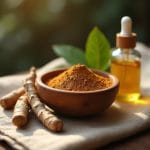
Ashwagandha is an herb used in traditional Indian medicine for thousands of years. The name comes from Sanskrit and refers to the root’s scent. The root and berry are used in supplements and powders.
Modern research describes ashwagandha as an adaptogen. That means it may help the body adapt to stress and support balance across several systems. Studies show ashwagandha can lower stress hormones, reduce inflammation, and may have antibacterial properties.
How Ashwagandha Might Help Acne
There are three main ways ashwagandha could affect acne:
- Stress reduction: Studies suggest ashwagandha can lower cortisol, a stress hormone. Lower stress levels may reduce acne flares that are triggered or worsened by stress.
- Anti inflammatory effects: Research indicates ashwagandha contains compounds that can reduce inflammation. Less inflammation can mean calmer, less red skin.
- Antimicrobial activity: Some lab studies show ashwagandha extracts inhibit certain bacteria. Because bacteria can contribute to acne, this might help when used with other treatments.
These effects are promising, but evidence directly proving ashwagandha clears acne is limited. Clinical trials specifically testing ashwagandha for acne are scarce. Most support comes from studies on stress, inflammation, or lab work on bacteria. Therefore, studies suggest it may help some people but it is not a proven acne cure.
How to Use Ashwagandha for Skin Support
Ashwagandha is usually taken by mouth. Common forms include capsules, standardized extracts, and powder you can mix into drinks. If you want to try it, here are practical tips:
- Start with a low dose and increase slowly. Typical doses in studies range from 300 mg to 600 mg of a standardized extract per day.
- Use a product from a reputable brand. Shop Ashwagandha powder on Amazon.
- Give it time. Many adaptogen studies run 4 to 12 weeks before benefits appear.
- Combine with good skin care. Use gentle cleansers, non comedogenic moisturizers, and sunscreen. Avoid heavy, pore clogging creams.
Safety Precautions
Ashwagandha is generally well tolerated, but there are important safety points to know before trying it.
- Pregnancy and breastfeeding: Avoid using ashwagandha during pregnancy. There is not enough reliable safety data.
- Autoimmune conditions: Because ashwagandha can stimulate the immune system, people with autoimmune diseases should talk to their doctor before using it.
- Thyroid disease: Ashwagandha may affect thyroid hormones. If you have a thyroid condition or take thyroid medication, consult your clinician.
- Medication interactions: It can interact with sedatives, blood pressure drugs, and immunosuppressants. Check with a healthcare professional if you take prescription medications.
- Allergic reactions: Stop use and seek care if you experience a rash, itching, swelling, or breathing difficulty.
If you are unsure whether ashwagandha is right for you, discuss it with a primary care provider or dermatologist. They can help weigh benefits and risks based on your health history and current treatments.
When to See a Dermatologist
Try natural measures for mild acne, but seek professional care if:
- Your acne is severe, painful, or nodular.
- You are developing scars or new dark spots.
- Multiple treatments fail to help after several months.
A dermatologist can offer prescription options and targeted therapies that may be more effective for moderate to severe acne.
Conclusion
Ashwagandha has properties that make it a reasonable option to try for people whose acne is worsened by stress or inflammation. Studies suggest it can lower stress hormones and reduce inflammation, both of which can support clearer skin for some people.
However, direct clinical evidence that ashwagandha clears acne is limited. Use it as part of a broader strategy that includes gentle skin care and lifestyle changes. Observe for side effects and consult a healthcare professional if you have underlying health issues or take medications.
For readers who want to experiment with ashwagandha: Shop on Amazon.
Sources
https://www.mayoclinic.org/diseases-conditions/acne/symptoms-causes/syc-20368047
https://www.ncbi.nlm.nih.gov/pmc/articles/PMC3252722/
https://www.well.org/medicine/best-5-ayurvedic-herbs-for-acne-that-really-work/
https://www.webmd.com/vitamins/ai/ingredientmono-953/ashwagandha