Zinc Rich Foods For Vegetarians: Tasty Plant-Based Sources For Better Health
When you buy through links on our site, we may earn an affiliate commission at no additional cost to you (learn more)
Many people think zinc only comes from meat, but plant-based foods can also supply plenty of this key nutrient. Zinc supports the immune system, helps heal wounds, and keeps skin healthy. Vegetarians can meet their zinc needs by choosing the right mix of whole grains, legumes, nuts, and seeds.
Even with many sources available, getting enough zinc on a vegetarian diet takes some planning. Certain foods and cooking methods can make zinc easier for the body to use. By learning which vegetarian foods are zinc rich and how to improve absorption, anyone can keep energy levels steady and stay healthy without relying on meat.
Top Vegetarian Zinc Sources
Many plant foods provide useful amounts of zinc. Some need careful preparation to improve absorption, but they still play an important role in a balanced vegetarian diet. Soaking, sprouting, or fermenting often helps the body use zinc from these foods more effectively.
Legumes and Pulses
Beans, lentils, chickpeas, and peas supply steady amounts of zinc. For example, 1 cup of cooked lentils provides about 2.5 mg of zinc, while 1 cup of chickpeas offers around 3 mg. Though legumes contain phytates that reduce absorption, soaking or sprouting them lowers phytate levels and helps the body take in more zinc.
Cooking these foods with vitamin C–rich ingredients like tomatoes or bell peppers can also boost absorption. Using canned or pre-soaked beans makes preparation easy while keeping nutrition levels high.
Examples of legumes high in zinc:
| Food | Zinc (mg per cooked cup) |
|---|---|
| Lentils | 2.5 |
| Chickpeas | 3.0 |
| Black beans | 2.0 |
| Kidney beans | 1.7 |
Nuts and Seeds
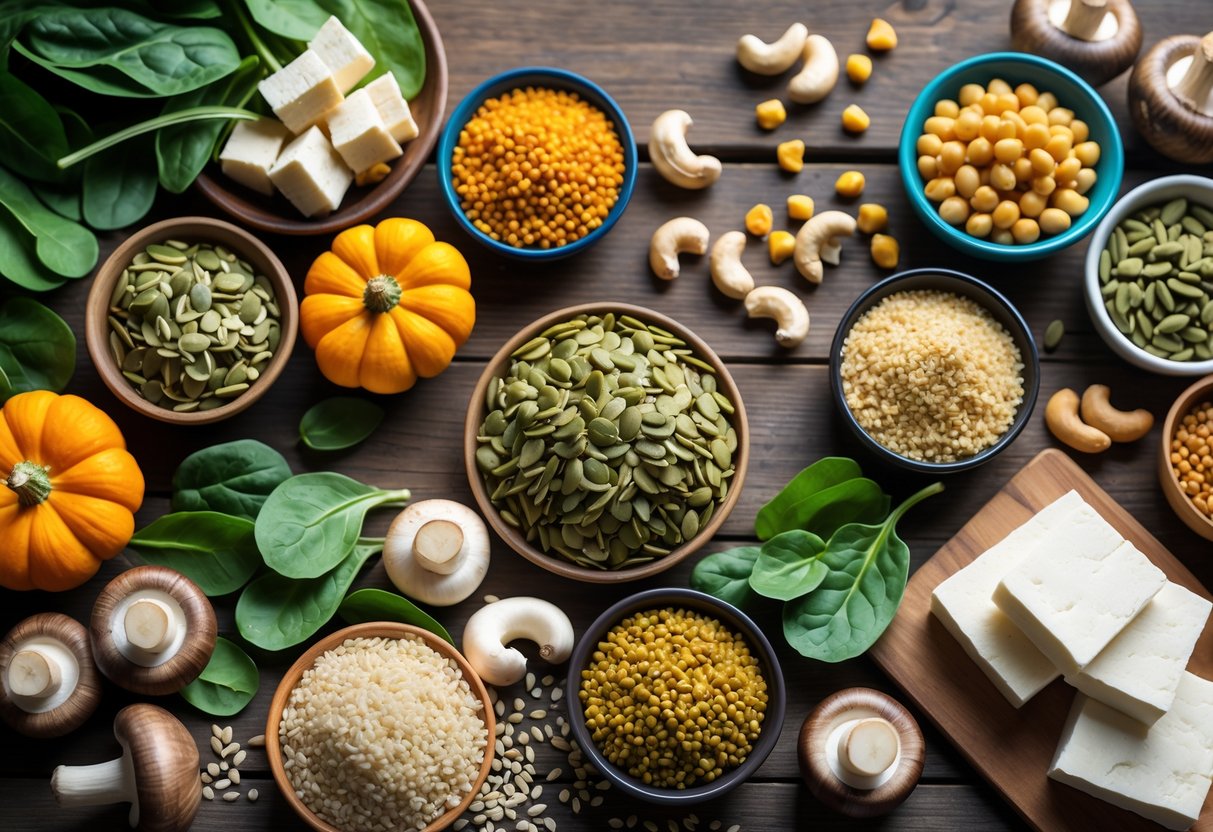
Nuts and seeds pack more zinc per ounce than many other plant foods. Pumpkin, sesame, hemp, and sunflower seeds are standouts. A small handful of pumpkin seeds gives around 2.2 mg of zinc, while sesame seeds offer about 1.1 mg.
They also contain healthy fats and protein. Grinding seeds into a paste, like tahini, can make zinc easier to absorb. Roasting nuts lightly improves flavor without hurting nutrient content. Choosing unsalted versions supports heart health while keeping sodium low.
Zinc content per 1 ounce (28 grams):
- Pumpkin seeds: 2.2 mg
- Cashews: 1.6 mg
- Almonds: 0.9 mg
- Hemp seeds: 3 mg
Adding seeds to salads, oatmeal, or smoothies gives meals more zinc and texture.
Whole Grains
Whole grains such as oats, quinoa, and brown rice include zinc as well as fiber and B vitamins. One cup of cooked oatmeal contains about 1.5 mg of zinc. Quinoa gives around 2 mg per cup, and it’s naturally lower in phytates than some other grains, helping with zinc uptake.
Using leavened bread instead of unleavened types like crackers or flatbreads can also improve zinc absorption because yeast breaks down phytates during baking.
Approximate zinc content per cooked cup:
| Grain | Zinc (mg) |
|---|---|
| Oats | 1.5 |
| Quinoa | 2.0 |
| Brown rice | 1.2 |
| Whole wheat pasta | 1.0 |
Combining grains with protein-rich foods, such as beans or lentils, supports better overall nutrient balance in vegetarian diets.
Boosting Zinc Absorption on a Vegetarian Diet
Vegetarians can get enough zinc by preparing foods the right way, combining them with nutrients that improve absorption, and limiting compounds that block zinc use. Small daily choices help the body absorb zinc more effectively from plant foods.
Food Preparation Tips
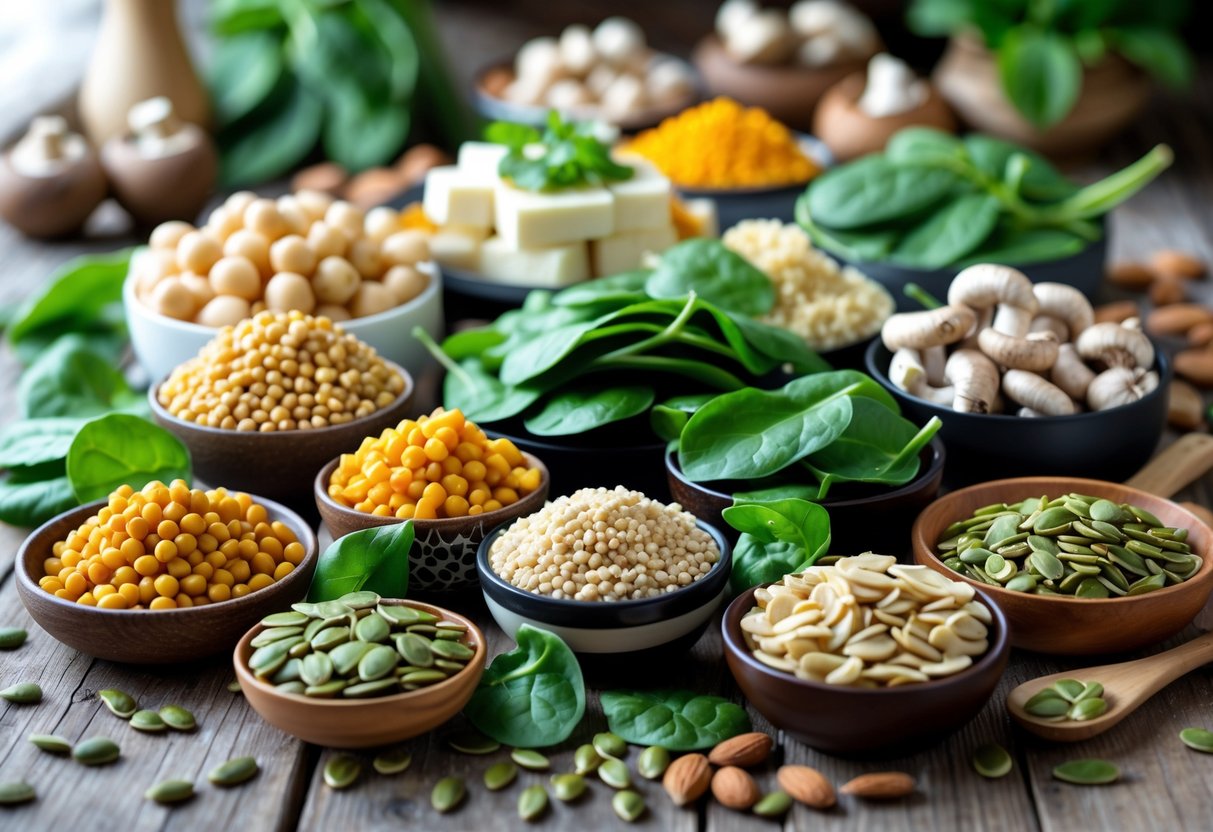
Cooking and soaking methods can make a big difference in zinc absorption. Soaking beans, lentils, and seeds for several hours breaks down phytates, which are natural compounds that reduce zinc absorption. After soaking, thorough rinsing helps remove more of these compounds.
Fermenting foods like whole‑grain bread, tempeh, or sauerkraut allows beneficial bacteria to lower phytate levels. Sprouting grains and seeds for 1–3 days can also free up zinc and other minerals.
Light roasting nuts or seeds reduces moisture and improves digestibility. However, over‑roasting may lower zinc levels slightly, so moderate heat works best. Using a combination of soaking, sprouting, and light cooking offers a balance between nutrition and flavor.
Pairing Zinc With Other Nutrients
Certain nutrients help the body absorb zinc more easily. Vitamin C (from citrus fruit, bell peppers, tomatoes, and strawberries) can reduce the effect of plant compounds that block minerals. Eating foods rich in zinc, such as chickpeas or pumpkin seeds, with a source of vitamin C enhances absorption.
Adding small amounts of protein from dairy, eggs, or soy foods like tofu and tempeh can improve zinc use in the body. These protein sources contain amino acids that help carry zinc across the gut lining.
Below is a simple example of food pairings:
| Zinc‑Rich Food | Helpful Pair | Benefit |
|---|---|---|
| Lentils | Tomato or orange slices | Vitamin C boosts absorption |
| Pumpkin seeds | Yogurt | Protein helps zinc use |
| Whole‑grain bread | Tofu | Amino acids aid uptake |
Minimizing Zinc Inhibitors
Some common foods and drinks can reduce zinc absorption. Tea, coffee, and high‑fiber bran contain phytates and polyphenols that bind to zinc. Drinking these beverages at least an hour before or after meals may help.
Excess calcium supplements can also compete with zinc for absorption sites. If someone needs both, they should take them at separate times of the day.
Relying on a variety of grains—like rice, oats, and quinoa—rather than only wheat or corn helps lower total phytate intake. Eating fermented or sprouted versions of these foods lets the body make better use of zinc from plant sources.