Peppermint Oil Benefits for Healthy, Glowing Skin
When you buy through links on our site, we may earn an affiliate commission at no additional cost to you (learn more)
The refreshing tingle of peppermint oil on your skin isn’t just invigorating—it’s a sign that powerful botanical compounds are working to transform your complexion. This aromatic essential oil, derived from the Mentha piperita plant, contains a concentrated blend of menthol, menthone, and antimicrobial compounds that can address everything from acne to skin irritation. Let’s explore how this cooling essential oil can become your skin’s new best friend.
The Science Behind Peppermint Oil’s Skin Benefits
Peppermint oil’s skin-transforming properties stem from its unique chemical composition. The primary active compound, menthol, makes up 30-50% of the oil and creates that signature cooling sensation by activating cold-sensitive receptors in your skin. This cooling effect isn’t just pleasant—it helps constrict blood vessels, reducing redness and inflammation while providing natural pain relief.
Beyond menthol, peppermint oil contains powerful antimicrobial compounds including menthone, limonene, and carvacrol. These natural antibacterials help combat the Propionibacterium acnes bacteria that contribute to breakouts. Research published in the International Journal of Antimicrobial Agents shows that peppermint oil demonstrates significant antibacterial activity against various skin pathogens.
The oil’s natural astringent properties also help tighten pores and control excess sebum production. This dual action—killing acne-causing bacteria while regulating oil production—makes peppermint oil particularly effective for those struggling with oily or combination skin types.
Top Ways to Use Peppermint Oil for Skin Health
Acne Treatment and Prevention
Peppermint oil’s antimicrobial properties make it an excellent natural acne fighter. The key is proper dilution—never apply peppermint oil directly to your skin, as its potency can cause irritation. Mix 2-3 drops of peppermint oil with 1 tablespoon of a carrier oil like jojoba or sweet almond oil.
Apply this diluted mixture to clean skin as a spot treatment, focusing on areas prone to breakouts. The menthol will provide immediate cooling relief while the antibacterial compounds work to eliminate acne-causing bacteria. Use this treatment once daily, preferably in the evening, and always follow with a gentle moisturizer.
Cooling Relief for Irritated Skin
When your skin feels inflamed, itchy, or irritated, peppermint oil’s cooling properties can provide immediate comfort. The menthol activates TRPM8 receptors (cold-sensitive channels) in your skin, creating a numbing effect that temporarily blocks pain and itch signals to your brain.
Create a soothing skin mist by adding 5-6 drops of peppermint oil to 4 ounces of distilled water in a spray bottle. Shake well before each use and mist over irritated areas. This is particularly helpful for sunburned skin, insect bites, or rashes. The cooling sensation provides instant relief while the anti-inflammatory compounds help reduce swelling and redness.
Natural Skin Toner and Pore Minimizer
Peppermint oil’s astringent properties make it an effective natural toner for oily and combination skin types. The compounds help tighten skin tissues and temporarily minimize the appearance of enlarged pores. This tightening effect also helps control excess oil production throughout the day.
Mix 3-4 drops of peppermint oil with 2 ounces of witch hazel and 1 ounce of rose water for a refreshing toner. Apply with a cotton pad after cleansing, focusing on your T-zone and areas where pores appear larger. The combination of peppermint oil and witch hazel creates a powerful pore-tightening effect while the rose water adds hydrating and anti-inflammatory benefits.
| Skin Concern | Peppermint Oil Dilution | Application Method | Frequency |
|---|---|---|---|
| Acne/Breakouts | 2-3 drops per 1 tbsp carrier oil | Spot treatment | Once daily (evening) |
| Oily skin/Large pores | 3-4 drops per 3 oz toner base | Cotton pad application | Twice daily |
| Irritated/Itchy skin | 5-6 drops per 4 oz water | Cooling mist | As needed |
| Dry/Rough patches | 2 drops per 1 tbsp moisturizer | Gentle massage | Once daily |
Enhanced Moisturizing and Circulation
While peppermint oil is often associated with oily skin care, it can also benefit dry skin when used correctly. The menthol increases local blood circulation, bringing more nutrients and oxygen to skin cells. This enhanced circulation promotes cellular renewal and can help improve the overall texture and appearance of dry, dull skin.
Add 1-2 drops of peppermint oil to your regular moisturizer for areas of rough, dry skin like elbows, knees, or heels. The increased circulation helps the moisturizing ingredients penetrate deeper into the skin layers. You’ll notice an immediate cooling sensation followed by improved skin softness over time.
Safety Considerations and Best Practices
Peppermint oil is highly concentrated and potent, making proper dilution absolutely essential. Never apply undiluted peppermint oil directly to your skin, as this can cause severe irritation, burning, or allergic reactions. Always perform a patch test before using any new peppermint oil mixture.
Some people are more sensitive to peppermint oil than others. Start with lower concentrations and gradually increase if your skin tolerates it well. Avoid the delicate eye area entirely, and be cautious when applying near mucous membranes. If you experience excessive redness, burning, or irritation, discontinue use immediately and rinse the area with cool water.
Pregnant or breastfeeding women should consult with healthcare providers before using peppermint oil topically. Additionally, peppermint oil can increase skin sensitivity to sunlight, so always apply sunscreen when using peppermint oil treatments during the day.
Choosing Quality Peppermint Oil
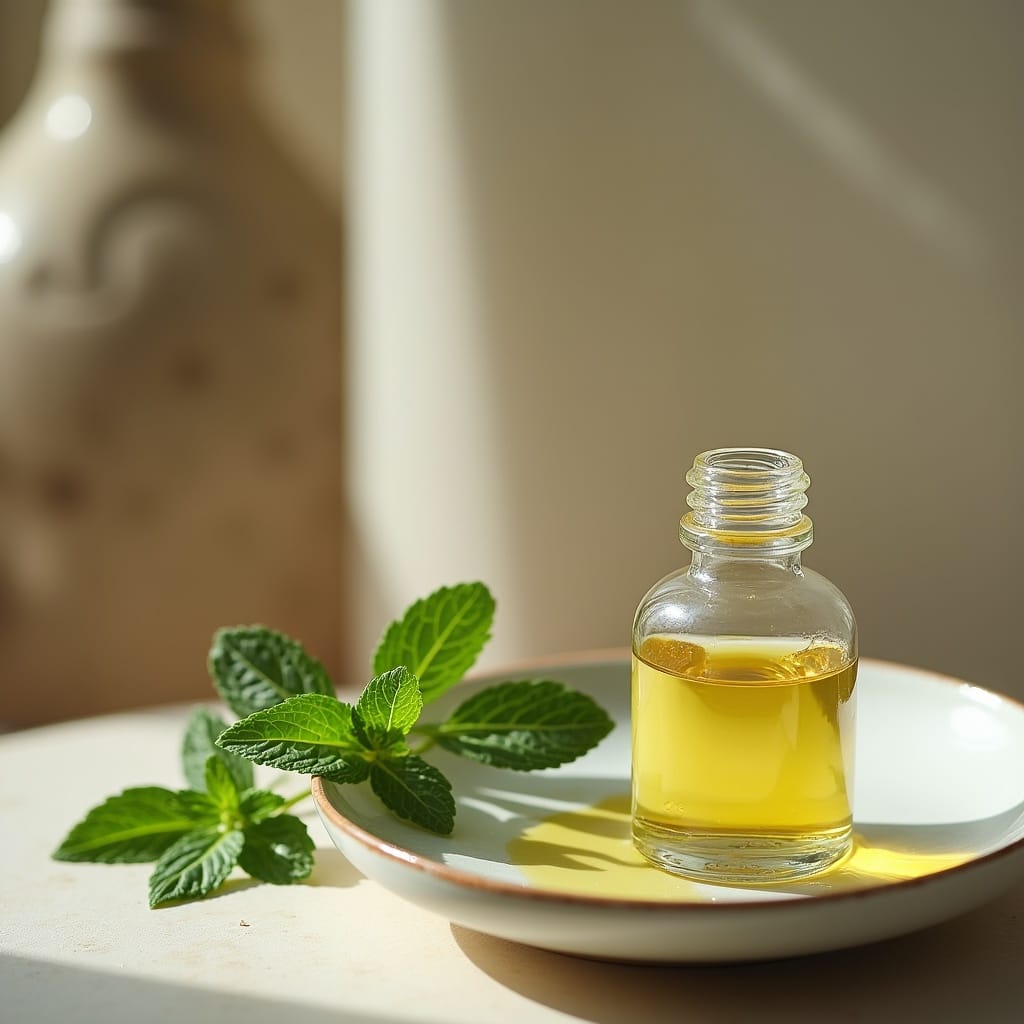
Not all peppermint oils are created equal. Look for 100% pure, therapeutic-grade essential oil from reputable suppliers. The oil should be stored in dark glass bottles to prevent degradation from light exposure. High-quality peppermint oil will have a clear, pale yellow color and a strong, fresh minty aroma.
Avoid peppermint oils that contain synthetic fragrances, additives, or carrier oils unless specifically labeled as pre-diluted blends. Pure peppermint essential oil should list “Mentha piperita” as the only ingredient. Organic certification ensures the oil was extracted from plants grown without harmful pesticides or chemicals.
The NutriGuide Pro-Tip
Create the ultimate cooling and clarifying face mask by combining 2 drops of peppermint oil with 2 tablespoons of plain Greek yogurt and 1 teaspoon of honey. The lactic acid in yogurt gently exfoliates dead skin cells, honey provides antibacterial and moisturizing benefits, while peppermint oil adds cooling sensation and pore-tightening properties. Apply this mask once weekly for 10-15 minutes, then rinse with cool water. This combination addresses multiple skin concerns while providing a spa-like cooling experience that leaves your complexion refreshed and glowing.
Remember, consistency is key with natural skincare remedies. While peppermint oil can provide immediate cooling relief and tightening effects, the long-term benefits for acne control and skin texture improvements develop over 4-6 weeks of regular use. Start slowly, listen to your skin’s response, and adjust your routine accordingly for the best results.