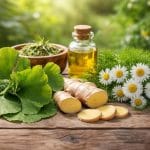
Natural Teas That Clear Mucus and Support Respiratory Health

When you buy through links on our site, we may earn an affiliate commission at no additional cost to you (learn more)
When congestion builds up in your respiratory system, reaching for a warm, steaming cup of the right tea can provide both comfort and genuine relief. Unlike over-the-counter medications that may come with unwanted side effects, certain herbal teas work naturally with your body’s own healing mechanisms to thin mucus, reduce inflammation, and support clearer breathing.
The Science Behind Tea’s Mucus-Clearing Properties
Your respiratory system produces mucus as a protective mechanism, but excess buildup can leave you feeling congested and uncomfortable. Several compounds found naturally in specific teas work through distinct pathways to address this issue.
Steam and heat from any hot beverage help thin mucus secretions, making them easier to expel. The warm vapor you inhale while sipping tea adds moisture to your respiratory passages, preventing the thick, sticky consistency that makes mucus difficult to clear.
Beyond the basic benefits of warmth, specific plant compounds called expectorants actively promote mucus expulsion. These natural chemicals stimulate the cilia—tiny hair-like structures lining your respiratory tract—to move more effectively, essentially giving your body’s natural cleaning system a boost.
Anti-inflammatory Action
Many mucus-clearing teas contain polyphenols and flavonoids that reduce inflammation in respiratory tissues. When inflammation decreases, swollen passages open up, allowing mucus to flow more freely rather than becoming trapped in congested airways.
Some herbal compounds also act as natural bronchodilators, gently relaxing the smooth muscles around your airways. This dual action—reducing inflammation while opening passages—creates an environment where your respiratory system can function optimally.
Top Mucus-Clearing Teas and Their Active Components
Ginger Tea: The Warming Expectorant
Fresh ginger contains gingerol and shogaol, compounds that provide both anti-inflammatory and expectorant properties. These spicy molecules help thin mucus while stimulating circulation to respiratory tissues, promoting faster healing and clearer airways.
Ginger’s warming effect increases blood flow to congested areas, helping your body mobilize immune cells more effectively. The slight burning sensation you feel when sipping strong ginger tea indicates these compounds are actively working on your respiratory system.
Preparation tip: Slice 1-2 inches of fresh ginger root and steep in hot water for 10-15 minutes. The longer steeping time extracts more active compounds.
Peppermint Tea: The Natural Decongestant
Menthol, peppermint’s signature compound, acts as a natural decongestant and mild anesthetic. It triggers cold receptors in your nasal passages and throat, creating a cooling sensation that helps open airways and reduce the urge to cough unproductively.
The antimicrobial properties of peppermint oil also help address underlying infections that may be contributing to excess mucus production. Studies show that menthol can reduce the viscosity of mucus, making it significantly easier to expel.
When you inhale peppermint tea’s steam, the menthol vapors travel directly to congested areas, providing targeted relief where you need it most.
Thyme Tea: The Antimicrobial Powerhouse
Thyme contains thymol and carvacrol, potent compounds with both antimicrobial and expectorant properties. These molecules help fight the underlying infections that often trigger excessive mucus production while simultaneously helping your body clear existing congestion.
Research demonstrates that thyme’s active compounds can reduce the frequency and intensity of coughing fits while making productive coughs more effective at clearing mucus. The herb’s antispasmodic properties also help relax respiratory muscles that may be tight from persistent coughing.
Thyme tea works particularly well for mucus associated with respiratory infections, as it addresses both the symptoms and potential bacterial or fungal causes.
Licorice Root Tea: The Soothing Expectorant
Glycyrrhizin, licorice root’s primary active compound, provides both anti-inflammatory and expectorant benefits. This molecule helps reduce swelling in respiratory passages while stimulating the production of thinner, more easily expelled mucus.
Licorice root also contains saponins—natural compounds that act like gentle detergents, helping break up thick mucus and making it less sticky. The herb’s naturally sweet taste makes it particularly appealing when you’re dealing with throat irritation from persistent coughing.
Important note: Consume licorice root tea in moderation, as excessive intake can affect blood pressure in sensitive individuals.
Eucalyptus Tea: The Respiratory Opener
While eucalyptus leaves themselves aren’t commonly consumed as tea, eucalyptus essential oil can be added to hot water for an inhalation treatment, or eucalyptus-containing herbal tea blends provide respiratory benefits.
Eucalyptol (1,8-cineole) is eucalyptus’s primary therapeutic compound. This molecule acts as both an expectorant and anti-inflammatory agent, helping thin mucus while reducing swelling in respiratory tissues.
The strong, penetrating aroma of eucalyptus provides immediate relief by opening nasal passages and stimulating deeper breathing, which naturally helps move stagnant mucus.
Maximizing Your Tea’s Mucus-Clearing Potential
Optimal Preparation Methods
Water temperature significantly impacts the extraction of active compounds. For most herbal teas, use water heated to 200-212°F (just at boiling). This temperature range ensures maximum extraction of therapeutic molecules without destroying heat-sensitive compounds.
Steeping time matters equally. Allow herbal teas to steep for 5-10 minutes minimum to extract meaningful levels of active compounds. Cover your cup during steeping to prevent volatile oils from escaping with the steam.
Consider adding a teaspoon of raw honey to your tea. Honey’s antimicrobial properties complement the tea’s effects, while its sticky consistency helps coat and soothe irritated throat tissues.
Strategic Timing and Frequency
Drink mucus-clearing teas throughout the day rather than consuming large amounts at once. Sipping 1/2 to 1 cup every 2-3 hours maintains consistent levels of active compounds in your system.
Evening consumption can be particularly beneficial, as the steam helps open airways before sleep, potentially reducing nighttime congestion and coughing that disrupts rest.
The inhalation component is just as important as drinking the tea. Take time to inhale the steam deeply before each sip, allowing the therapeutic vapors to reach your upper respiratory passages directly.
Combining Teas for Enhanced Effects
Creating custom blends can provide synergistic benefits. Try combining ginger and peppermint for warming expectorant action with cooling decongestant effects. Thyme and licorice root pair well for antimicrobial support with soothing properties.
Start with equal parts of each herb when experimenting with blends, then adjust ratios based on taste preferences and effectiveness for your specific symptoms.
| Tea Type | Primary Active Compound | Main Benefit | Best For |
|---|---|---|---|
| Ginger | Gingerol | Expectorant + Anti-inflammatory | Thick, stubborn mucus |
| Peppermint | Menthol | Decongestant + Cooling | Nasal congestion |
| Thyme | Thymol | Antimicrobial + Expectorant | Infection-related mucus |
| Licorice Root | Glycyrrhizin | Anti-inflammatory + Soothing | Irritated respiratory passages |
Supporting Your Body’s Natural Clearing Process
While tea provides valuable therapeutic compounds, supporting your overall respiratory health amplifies these benefits. Staying well-hydrated throughout the day helps maintain optimal mucus consistency, making it easier for your body’s natural clearing mechanisms to function effectively.
Gentle physical movement, even light walking, helps mobilize stagnant mucus through natural body mechanics. The rhythmic breathing that accompanies moderate activity works like an internal massage for your respiratory system.
Consider the humidity in your environment as well. Dry air can thicken mucus, making it more difficult to clear regardless of which teas you consume. Using a humidifier or spending time in a steamy bathroom can complement your tea therapy.
Recognizing When Professional Support Is Needed
While natural teas offer gentle, effective support for typical mucus congestion, certain symptoms warrant professional medical attention. Persistent mucus production lasting more than two weeks, mucus with blood, or congestion accompanied by fever or difficulty breathing requires evaluation by a healthcare provider.
Some individuals may have sensitivities to specific herbs. Start with small amounts of any new tea and discontinue use if you experience increased congestion, digestive upset, or other concerning symptoms.
The NutriGuide Pro-Tip
Create a “respiratory rescue blend” by combining equal parts dried ginger, peppermint, and thyme. Store this custom mix in an airtight container, and prepare it as a hot tea or inhale it as steam therapy at the first sign of congestion. The synergistic effects of these three herbs provide comprehensive support—ginger warms and expels, peppermint cools and opens, while thyme fights potential infections. This proactive approach often prevents minor congestion from developing into more persistent respiratory issues.