Using Oatmeal Paste for Hair Removal
When you buy through links on our site, we may earn an affiliate commission at no additional cost to you (learn more)
Most of us have peach fuzz on the face or unwanted hair on the legs, underarms, or bikini area. Oatmeal paste is a traditional, gentle approach some people use to reduce fine hair and soothe skin. It does not give permanent hair removal, but it can help exfoliate and soften the skin while removing some surface hairs with little irritation.
What is oatmeal paste?
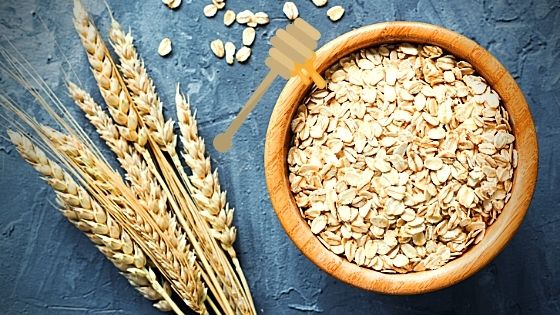
Oats absorb and hold water. When you mix ground oats with a liquid you get a thick, spreadable paste. Using finely ground oats gives a smoother paste that clings to the skin better and exfoliates more evenly.
To make a basic paste, slowly add water to ground oats until you get a butter-like consistency. You can also use milk or yogurt to add extra moisture and mild enzymes that may help loosen dead skin cells.
Why oatmeal is good for skin
Oats contain soluble fiber called beta-glucan and small amounts of fats and proteins that help hydrate and soothe the skin. Studies suggest colloidal oatmeal helps protect the skin barrier and reduce dryness and irritation. These effects make oat-based pastes a gentler option than harsh scrubs or chemical depilatories for sensitive skin.
How oatmeal can help remove hair
Oatmeal works primarily as a physical exfoliant. Exfoliation removes dead skin cells on the surface and can loosen very fine, short hairs, especially peach fuzz on the face.
When combined with slightly adhesive ingredients, like honey, the paste can grip and pull some hairs when rinsed or peeled gently. This method usually reduces the appearance of hair but does not remove hair from the root, so regrowth happens faster than waxing or epilation.
Simple oatmeal and honey paste for fine facial hair
This recipe is best for fine, short facial hair. Test on a small skin patch first to check for sensitivity.
- 1/2 tablespoon finely ground oatmeal
- 1 tablespoon honey
- 1 tablespoon water or milk
Mix into a smooth paste. Apply to clean, dry skin and let sit for 15 to 20 minutes. Either gently rub in circular motions to exfoliate and then rinse with warm water, or when partly dry, peel gently if the paste has become tacky. Repeat 2 to 3 times per week for best results.
Variations and tips
- Use plain yogurt instead of water for mild lactic acid exfoliation. Lactic acid helps loosen dead skin cells in a gentle way.
- Add a squeeze of lemon only if your skin is not sensitive. Lemon contains citric acid which can increase exfoliation, but it can also irritate or lighten skin when used repeatedly.
- Grind oats to a fine powder for a smoother paste that is less likely to scratch sensitive skin.
Safety precautions and realistic expectations
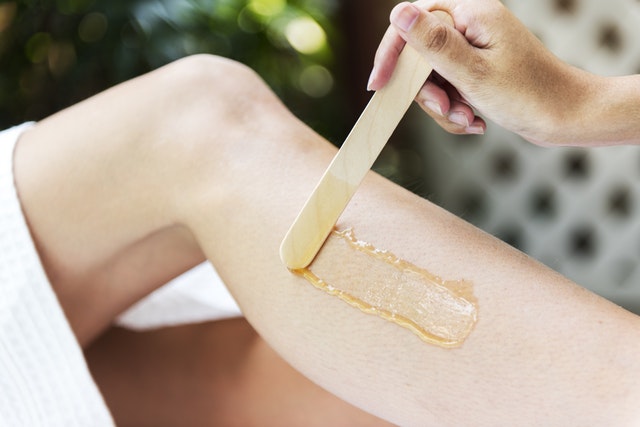
This method removes surface hairs and softens skin. It is not a substitute for waxing, threading, laser, or electrolysis when the goal is long-term or permanent hair removal.
Before trying any new mask, do a patch test on the inside of your wrist or behind the ear. Wait 24 hours to check for allergy or irritation.
Avoid using the paste on broken skin, open wounds, or active rashes. If you have a skin condition such as eczema or rosacea, consult a dermatologist before trying new topical treatments.
If you experience redness that lasts more than a day, swelling, burning, or blistering, stop use and seek medical advice.
Other uses for oatmeal paste
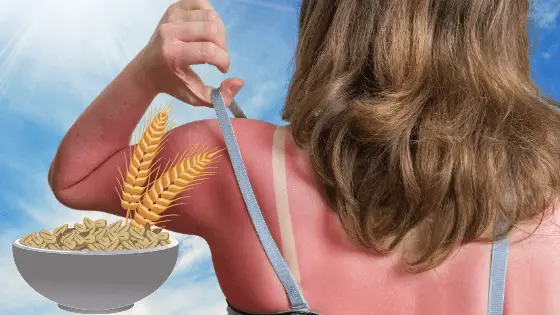
Oatmeal is a well-known home remedy for inflamed or itchy skin. Colloidal oatmeal baths are commonly recommended to soothe sunburn, insect bites, and mild dermatitis.
For localized irritation, a thick oat paste can provide a cooling, protective layer that helps calm the area while retaining moisture.
How often to use oatmeal paste
Use the paste 2 to 3 times per week if your goal is gentle exfoliation and temporary reduction of fine hairs. Over-exfoliating can cause irritation and damage the skin barrier, which may lead to more sensitivity and redness.
Evidence and sources
Research on colloidal oatmeal supports its soothing and barrier-protecting properties. Clinical studies show it can reduce dryness and irritation when applied to the skin. Evidence for oatmeal specifically removing hair is mostly anecdotal and comes from traditional practice. Expect modest, temporary results rather than permanent reduction.
Sources and further reading:
https://homeremediesforlife.com/honey-and-lemon-facial-hair-removal/
https://www.thehealthsite.com/beauty/oatmeal-pack-to-get-rid-of-facial-hair-forever-292724/
https://pubmed.ncbi.nlm.nih.gov/25607907/https://www.rapidhomeremedies.com/facial-hair-removal.html