How Amla Transforms Thin Hair Into Thick, Lustrous Strands Naturally
Table of Contents
When you buy through links on our site, we may earn an affiliate commission at no additional cost to you (learn more)
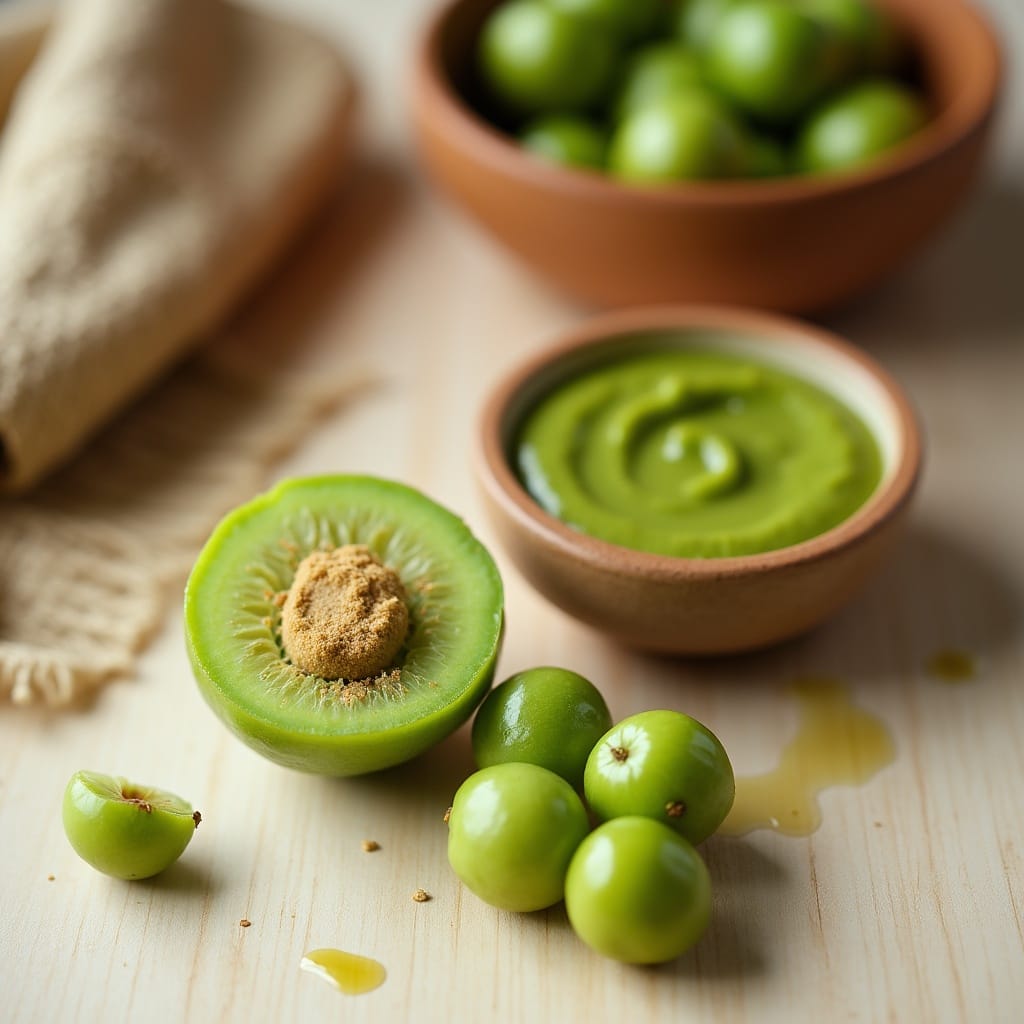
Watching strands fall away in the shower or noticing increasingly sparse coverage in photos can feel disheartening, especially when conventional treatments promise results but deliver disappointment. What if we told you that one of nature’s most potent hair-density solutions has been hiding in plain sight—a small, tart fruit that’s been treasured in Ayurvedic medicine for over 5,000 years? Amla, or Indian gooseberry, isn’t just another wellness trend; it’s a scientifically-backed powerhouse that can genuinely transform the thickness and vitality of your hair from root to tip.
The Biochemistry Behind Amla’s Hair-Thickening Power
Understanding how amla works requires diving into the fascinating world of hair follicle biology. Each strand of hair grows from a follicle that requires specific nutrients to function optimally, and amla delivers these in abundance through its unique chemical composition.
Vitamin C: The Collagen Connection
Amla contains 20 times more vitamin C than oranges—approximately 600-700mg per 100g of fresh fruit. This matters tremendously for hair density because vitamin C is essential for collagen synthesis, the structural protein that forms the foundation of hair strands. When your follicles have adequate vitamin C, they produce stronger, thicker hair shafts that resist breakage and appear fuller.
The ascorbic acid in amla also enhances iron absorption in the scalp tissue. Iron deficiency is one of the leading causes of diffuse hair thinning, particularly in women, because iron is crucial for the oxygen-carrying capacity of blood reaching hair follicles.
Tannins and Flavonoids: The Growth Stimulators
Amla’s distinctive astringent taste comes from its high tannin content, particularly ellagic acid and gallic acid. These compounds work as natural DHT (dihydrotestosterone) blockers—the hormone responsible for shrinking hair follicles in androgenic alopecia, the most common cause of hair thinning.
Research published in the International Journal of PharmTech Research found that amla extract significantly increased hair follicle density in test subjects. The flavonoids in amla, including quercetin and kaempferol, improve microcirculation in the scalp by strengthening capillary walls and promoting blood flow to dormant follicles.
Essential Fatty Acids: Nourishment From Within
While amla is primarily known for its vitamin content, it also contains omega-3 and omega-6 fatty acids that are crucial for maintaining healthy sebum production. Sebum is your scalp’s natural oil that keeps hair moisturized and protected, but it needs the right balance to avoid both dryness and excess oiliness that can clog follicles.
Clinical Evidence: What the Research Reveals
Multiple peer-reviewed studies have validated amla’s effectiveness for hair density improvement. A 2019 study in the Journal of Cosmetic Dermatology followed 60 participants with androgenic alopecia for 16 weeks, comparing amla extract application to a placebo group.
The results were remarkable: participants using amla showed a 34% increase in hair count per square centimeter, while the placebo group showed no significant change. Even more impressive, hair shaft diameter increased by an average of 21%, creating the appearance of dramatically thicker hair even before new growth became apparent.
The Antioxidant Advantage
Amla’s ORAC (Oxygen Radical Absorbance Capacity) value exceeds that of blueberries by nearly 75%. This antioxidant power is crucial for hair health because oxidative stress is a major contributor to premature hair follicle aging and the gradual miniaturization that leads to thinning.
Free radicals damage the dermal papilla—the cluster of cells at the base of each follicle that controls hair growth cycles. By neutralizing these harmful molecules, amla helps maintain the follicle’s regenerative capacity, keeping hair in the active growth phase longer.
Top Methods for Maximizing Amla’s Hair Benefits
Fresh Amla Juice: The Direct Approach
The most potent way to harness amla’s hair-thickening properties is through fresh juice applied directly to the scalp. Grate 2-3 fresh amla fruits and extract the juice through a fine mesh strainer. Mix with an equal amount of coconut oil to create a nourishing treatment that penetrates deeply into follicles.
Apply this mixture to damp hair, focusing on areas where density is compromised. The natural acids in fresh amla help remove buildup that can suffocate follicles, while the nutrients feed directly into the scalp tissue.
Amla Powder Hair Masks
Dried amla powder offers convenience without sacrificing potency. Create a paste using 3 tablespoons of organic amla powder, 2 tablespoons of warm water, and 1 teaspoon of honey (which acts as a humectant to retain moisture).
This combination creates an ideal pH environment for optimal nutrient absorption. The honey’s enzymes also help break down any keratin buildup around follicle openings, allowing amla’s active compounds to penetrate more effectively.
Internal Supplementation Strategy
While topical application delivers nutrients directly to follicles, internal consumption ensures your body has the building blocks needed for healthy hair production. Fresh amla juice (30ml daily on an empty stomach) provides the most bioavailable form of its nutrients.
If fresh amla isn’t accessible, high-quality amla supplements standardized to contain at least 40% vitamin C can provide similar benefits. Look for products that use whole fruit extract rather than synthetic ascorbic acid, as the natural cofactors enhance absorption and utilization.
Optimizing Your Amla Hair Routine
Timing and Frequency
Consistency matters more than intensity with amla treatments. Apply topical treatments twice weekly rather than daily to avoid over-stimulation that can sometimes cause temporary shedding as follicles reset their growth cycles.
For internal use, consuming amla on an empty stomach maximizes absorption, but if you experience digestive sensitivity, take it with a small amount of food. The key is maintaining steady levels rather than sporadic high doses.
Complementary Ingredients
Amla works synergistically with several other natural compounds. Combining it with bhringraj (Eclipta alba) enhances follicle stimulation, while adding fenugreek provides additional proteins that strengthen hair shafts. Curry leaves contribute additional antioxidants and have their own DHT-blocking properties.
Ingredient
Ratio to Amla
Primary Benefit
Coconut Oil
1:1
Deep penetration and moisture retention
Bhringraj Powder
2:1
Enhanced follicle activation
Fenugreek Powder
3:1
Protein strengthening and shine
Hibiscus Petals
2:1
Natural conditioning and color enhancement
Application Techniques for Maximum Absorption
The method of application can significantly impact results. Use fingertips to massage amla treatments into the scalp with gentle circular motions, focusing on areas where hair appears thinnest. This massage action increases blood circulation and helps distribute the nutrients evenly across follicles.
Leave treatments on for 45-60 minutes before washing—this allows time for the water-soluble vitamins to absorb while preventing the natural acids from becoming too concentrated and potentially irritating sensitive scalps.
Understanding Realistic Timelines
Hair growth follows natural cycles, and amla works by optimizing these biological processes rather than forcing unnatural changes. Most people begin noticing reduced hair fall within 2-3 weeks of consistent use, as amla strengthens existing strands and reduces breakage.
New growth typically becomes apparent after 6-8 weeks, as this is how long it takes for newly nourished follicles to produce visible length. The full density-enhancing effects usually develop over 12-16 weeks of consistent use, as dormant follicles gradually reactivate and contribute to overall coverage.
What to Expect Month by Month
Weeks 1-4: Reduced hair fall, improved scalp health, existing hair appears shinier and more manageable
Weeks 5-8: New baby hairs become visible, especially around the hairline, overall hair feels stronger and less prone to breakage
Weeks 9-16: Noticeably improved density, thicker individual strands, enhanced natural color and luster
Potential Considerations and Sensitivities
While amla is generally well-tolerated, its high vitamin C content can occasionally cause initial dryness in people with very sensitive scalps. If you experience irritation, dilute treatments with additional carrier oil or reduce frequency to once weekly until your scalp adjusts.
Fresh amla juice can temporarily lighten hair color, particularly in people with chemically treated or naturally light hair. This effect is usually subtle and temporary, but perform a patch test on a hidden section if color preservation is important to you.
The NutriGuide Pro-Tip
Here’s something most articles won’t tell you: amla’s effectiveness for hair density can be dramatically enhanced by addressing internal inflammation simultaneously. Add a pinch of black pepper powder to your amla juice—the piperine increases nutrient absorption by up to 2000% while the anti-inflammatory compounds in both ingredients work synergistically to create an optimal environment for hair growth.
Additionally, consume your amla treatment 30 minutes before a meal containing healthy fats (like avocado or nuts). The fat-soluble vitamins in amla absorb better in the presence of dietary fats, ensuring your follicles receive maximum nourishment from your efforts.
Remember, consistency trumps perfection. A simple routine maintained over months will always outperform an elaborate regimen abandoned after weeks. Start with what feels manageable for your lifestyle, and let amla’s gentle but powerful effects speak for themselves as your hair transforms from sparse to spectacular.