How to Use Castor Oil for Eczema
When you buy through links on our site, we may earn an affiliate commission at no additional cost to you (learn more)
There it is again: that dry, itchy patch of skin that shows up at the worst time. Most often this irritation is eczema, also called atopic dermatitis, which can appear for many reasons and at any age.
Eczema commonly causes red, itchy, and inflamed skin. Other symptoms include:
- Intense itching that can worsen at night
- Dry or cracked skin that may weep or bleed
- Rough, scaly patches or raised bumps
Managing eczema starts with avoiding triggers and calming inflammation. Many people look to natural remedies alongside medical treatments. Castor oil is one option people use for dry, irritated skin because of its chemistry and traditional use in skin care.
Why castor oil may help eczema
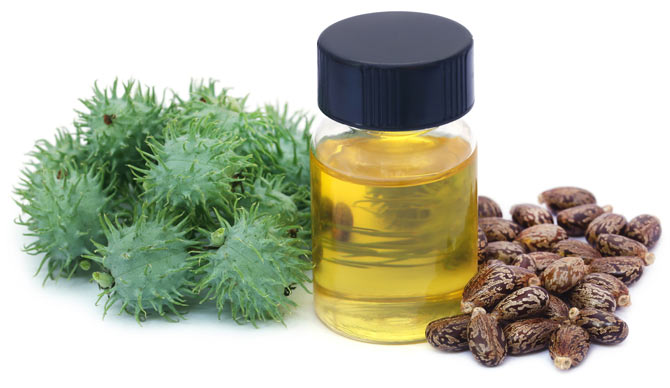
Castor oil is made mostly of a fatty acid called ricinoleic acid. Studies suggest ricinoleic acid has anti-inflammatory effects, which can help reduce redness and swelling in the skin.
The oil is also a very effective moisturizer. It helps trap water in the outer layer of the skin, which improves barrier function and reduces dryness and cracking.
- Anti-inflammatory: may calm immune-driven irritation
- Occlusive moisturizer: helps skin retain moisture
- Antimicrobial activity: can lower risk of infection in broken skin
These properties make castor oil a reasonable complementary option for mild eczema. However, strong scientific trials specifically on castor oil for eczema are limited. So it should be used thoughtfully, not as a guaranteed cure.
How to use castor oil safely for eczema
Follow these practical methods, which are gentle and easy to try at home.
- Patch test first: apply a small drop on the inner forearm and wait 24–48 hours to check for irritation or allergy.
- Dilute for sensitive skin: mix 1 part castor oil with 2–3 parts carrier oil (like jojoba or almond) if you have very reactive skin.
- Apply after bathing: pat skin dry, then massage a thin layer of oil into slightly damp skin to lock in moisture.
For a simple topical blend, try 1 tablespoon castor oil with 2–3 drops of a mild essential oil like sweet orange or lavender. Always do a patch test when using essential oils, and avoid citrus oils on skin that will be sun-exposed.
Castor oil packs and targeted use
Some people use castor oil packs for deeper penetration. A pack is a cloth soaked in oil and warmed gently over the area for about 20–30 minutes. The heat helps oil reach lower layers of the skin, which can be soothing for stubborn patches.
- Soak a clean flannel or cotton cloth in castor oil (not dripping).
- Place it over the affected area and cover with plastic wrap.
- Apply a heating pad or hot water bottle on top for 20–30 minutes.
- Remove and gently blot excess oil. Do not use very hot heat or leave a heated pack on unattended.
For daily moisturizing, simply rubbing a small amount of castor oil into problem areas after showering is sufficient for many people.
Safety precautions
Because eczema often involves a compromised skin barrier, safety is important. Follow these precautions:
- Do not apply castor oil to deep open wounds or heavily weeping skin without medical advice.
- Stop use if redness, burning, blistering, or increased itching occurs.
- If you have a history of allergies to castor bean or severe dermatitis, avoid castor oil unless cleared by a clinician.
- Talk to your doctor before using castor oil if you are pregnant, breastfeeding, or taking immunosuppressive medications.
- For moderate to severe eczema, continue prescribed treatments and use castor oil only as a complementary measure after checking with your healthcare provider.
Practical tips and troubleshooting
Small changes can make topical treatment more effective and less messy.
- Use a tiny amount at first to avoid oily stains on clothing and bedding.
- Apply to slightly damp skin to improve absorption and reduce a greasy feel.
- Combine with regular gentle skin-care: fragrance-free cleansers and short lukewarm showers.
- Keep a skin diary to track what helps and what causes flares, including weather, stress, and products.
Remember that natural does not always mean safe for every person. Results can take days to weeks of consistent use, and individual responses vary.
Quick summary
Castor oil has anti-inflammatory and moisturizing properties that may help mild eczema by reducing dryness and calming irritation. It can be applied diluted or as a pack and works best as a complementary approach alongside proven eczema care.
Always patch test, stop if reactions occur, and consult a clinician for moderate or severe eczema.
Video resource: For a short, practical demonstration on using castor oil for skin, see this explanatory video: https://www.youtube.com/watch?v=8n5O0XH2k0A