Best Homemade Juices For Gut Health : Easy Recipes to Support Your Digestive System

When you buy through links on our site, we may earn an affiliate commission at no additional cost to you (learn more)
Your gut plays a big role in how you feel each day. When your digestive system works well, you have more energy and feel better overall. Making fresh juices at home is a simple way to support your gut health.
The best juices for gut health include ingredients like ginger, leafy greens, apple cider vinegar, and fruits that are high in fiber and natural enzymes. These ingredients help feed the good bacteria in your gut and reduce inflammation. Fresh homemade juices also skip the added sugars and preservatives found in store-bought options.
You don’t need fancy equipment or hard-to-find ingredients to make gut-friendly juices. With a basic blender or juicer and some fresh produce, you can create drinks that taste good and help your digestion. This guide will show you which ingredients work best and how to combine them for maximum benefit.
Homemade Juices That Support Gut Health
Fresh juices made at home can provide your digestive system with the nutrients it needs to function properly. The right mix of ingredients can help reduce inflammation, support your gut lining, and add beneficial bacteria.
Top Ingredients for Digestive Wellness
Your gut needs specific vitamins, minerals, and compounds to stay healthy. Ginger is one of the best ingredients you can add because it reduces bloating and helps food move through your system.
Leafy greens like spinach and kale contain fiber and chlorophyll that feed good bacteria in your gut. Apples provide pectin, a type of fiber that feeds beneficial microbes.
Celery has natural compounds that protect your stomach lining. Carrots provide beta-carotene that supports the mucus layer in your intestines.
Cucumber helps keep you hydrated and contains nutrients that help calm inflammation. Lemon stimulates digestive juices and helps your body absorb nutrients better.
Beets support liver function, which affects how well your gut works. Fresh turmeric contains curcumin that fights inflammation throughout your digestive tract.
Easy Green Juice Recipes for Gut Support
A basic green juice combines 2 cups spinach, 2 celery stalks, 1 cucumber, 1 green apple, and a small piece of ginger. This blend gives you fiber, vitamins, and anti-inflammatory compounds.
For a sweeter option, mix 2 cups kale, 1 pear, half a lemon (peeled), and 1 cucumber. The pear adds natural sweetness while the lemon helps with digestion.
Try a tropical version with 1 cup spinach, 1 cup pineapple, half a cucumber, and fresh mint leaves. Pineapple contains bromelain, an enzyme that breaks down proteins.
Make a carrot-based juice using 3 large carrots, 1 apple, 1-inch ginger root, and half a lemon. This combination is gentle on your stomach and rich in nutrients.
Fermented Juices and Their Benefits
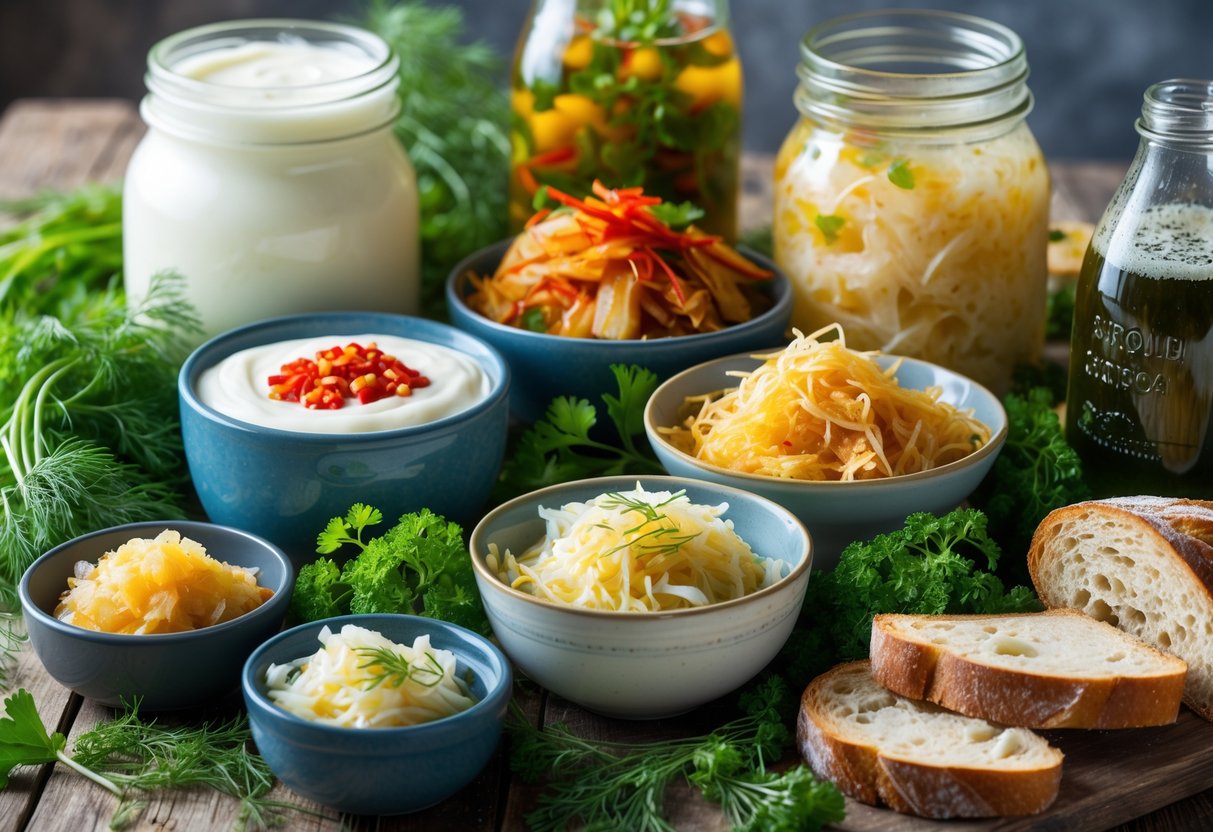
Fermented juices contain live bacteria called probiotics that add healthy microbes to your gut. These drinks differ from regular juices because they undergo a fermentation process.
Kombucha is made from sweetened tea that ferments for 7-10 days. It contains billions of beneficial bacteria that can improve your gut balance.
You can make fermented vegetable juice by mixing fresh veggie juice with a starter culture or salt. Let it sit at room temperature for 2-5 days until it develops a tangy taste.
Water kefir is another option that uses kefir grains in sugar water with fruit juice. It ferments in 24-48 hours, creating a fizzy drink full of probiotics.
These fermented options provide your gut with direct sources of beneficial bacteria. Start with small amounts like 2-4 ounces per day to let your system adjust.
How to Make the Best Gut-Boosting Juices at Home
Making gut-friendly juices at home requires the right equipment and techniques to preserve beneficial nutrients.
Choosing the Right Juicer and Tools
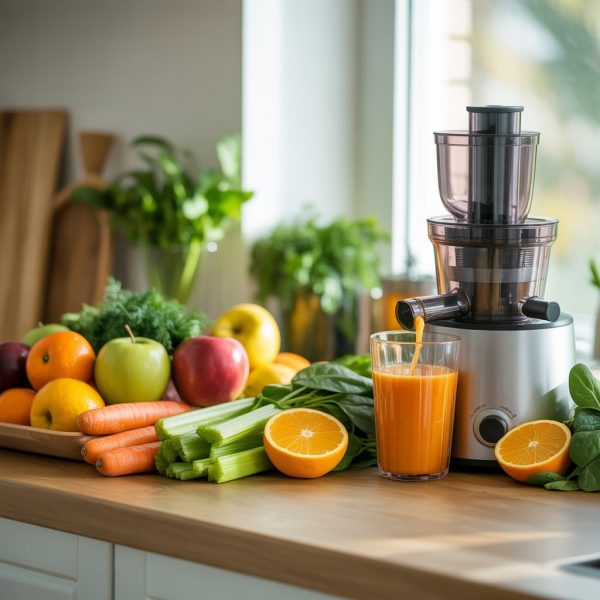
A masticating juicer is best for gut-health juices because it operates at low speeds and preserves more enzymes than centrifugal models. These juicers crush and press ingredients rather than shredding them with high-speed blades.
Centrifugal juicers are cheaper and faster but create heat that can damage some nutrients. If you already own one, it still works fine for most recipes.
You’ll also need a few basic tools. A sharp knife and cutting board help you prep ingredients quickly. Glass storage containers keep your juice fresh without adding chemicals from plastic. A fine-mesh strainer lets you control pulp levels in your finished juice.
Tips for Preserving Nutrients in Homemade Juices
Drink your juice within 15 minutes of making it for maximum nutrient content. Enzymes and vitamins start breaking down as soon as ingredients are juiced.
If you need to store juice, fill an airtight glass container to the very top to reduce oxygen exposure. Keep it in the fridge for no more than 24 hours.
Add a squeeze of lemon juice to slow down oxidation and nutrient loss. Vitamin C acts as a natural preservative. Keep produce in your refrigerator’s crisper drawer and wash it right before juicing, not days in advance.
Don’t peel ingredients like cucumbers, apples, or carrots unless necessary, since many gut-friendly nutrients live in the skin.
Creative Flavor Combinations for Gut Health

Green Digestive Blend: Mix 2 celery stalks, 1 cucumber, 1 green apple, fresh ginger root, and a handful of spinach. This combination provides fiber and anti-inflammatory compounds.
Tropical Probiotic Base: Combine pineapple with papaya for digestive enzymes, then add coconut water for natural electrolytes.
Beet and Berry Mix: Juice 1 small beet, 1 cup blueberries, 1 carrot, and fresh mint.
Add fermented elements by stirring in a tablespoon of kefir or kombucha after juicing. Start with small amounts of strong ingredients like ginger or turmeric and adjust to your taste preferences.