Alkaline Diet Breakfast Ideas For A Fresh, Energizing Morning
When you buy through links on our site, we may earn an affiliate commission at no additional cost to you (learn more)
Starting the day with the right meal can make a big difference in how someone feels and functions. An alkaline diet breakfast focuses on simple foods that help balance the body’s pH levels. It keeps energy steady and supports overall well-being without feeling heavy or tired after eating.
Many people find that including more fruits, vegetables, and plant-based ingredients in the morning gives them a calm, steady start. This kind of meal is not about restriction but about choosing foods that help the body stay balanced. Small changes, like swapping coffee for lemon water or toast for avocado, can help sustain energy throughout the day.
Creating Alkaline Diet Breakfasts
An alkaline breakfast focuses on plant-based foods that may support energy and help maintain balance in the body. It centers on fresh ingredients, simple recipes, and proper nutrient combinations for sustained morning fuel.
Best Ingredients for Alkaline Breakfasts
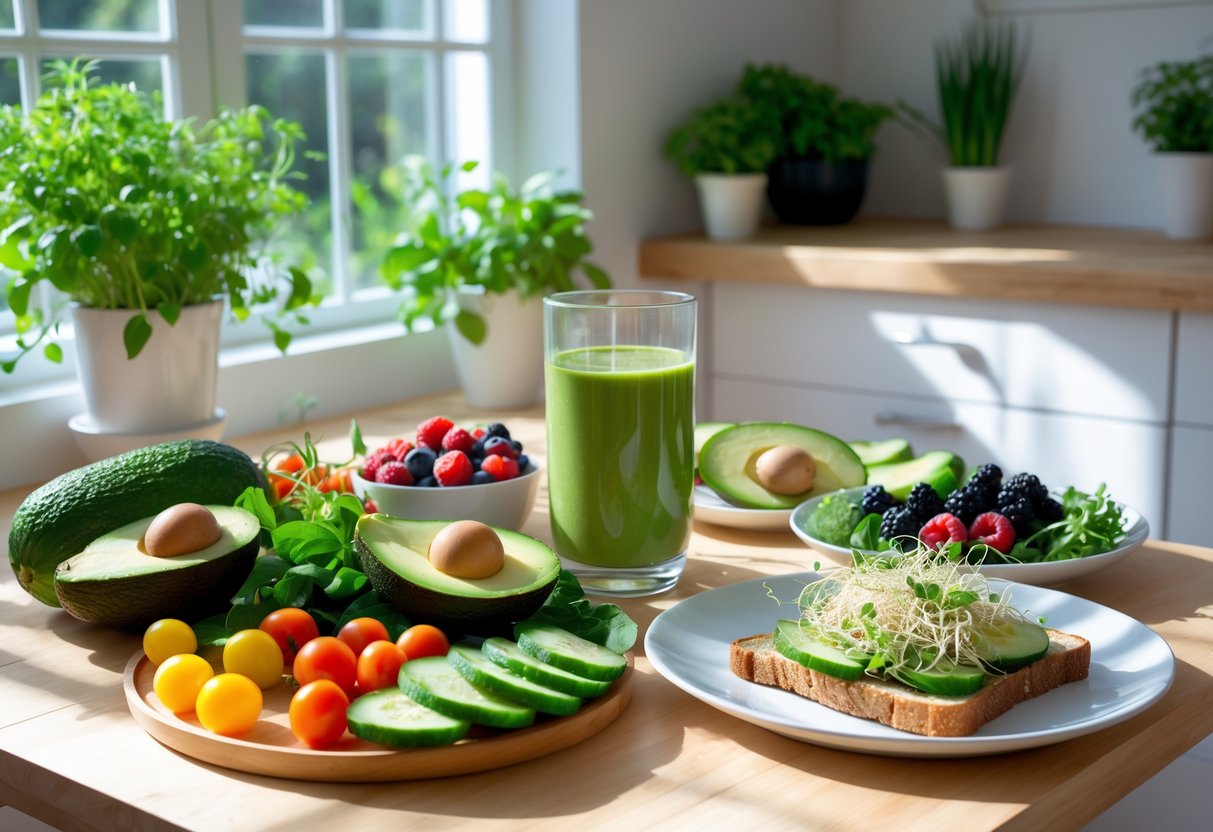
A well-planned alkaline breakfast starts with fresh fruits and vegetables. Choices like spinach, kale, cucumber, avocado, lemon, and berries help create a more alkaline environment in the body. These foods are rich in fiber, vitamins, and minerals that support healthy digestion.
Whole grains such as quinoa and millet can replace traditional acidic grains. They provide steady energy without the sharp spikes in blood sugar often linked to processed cereals or bread.
Healthy fats and plant-based proteins round out the meal. Chia seeds, flaxseeds, almonds, and walnuts supply nutrients that help with satiety. Using plant-based milks like almond or soy milk keeps the meal dairy-free while maintaining creaminess.
A sample shopping list could look like this:
| Category | Alkaline-Friendly Foods |
|---|---|
| Fruits | Bananas, apples, blueberries, lemons |
| Vegetables | Spinach, kale, broccoli, cucumber |
| Grains | Quinoa, millet, buckwheat |
| Extras | Almonds, chia seeds, avocado, plant milk |
Easy Alkaline Recipe Ideas
Simple recipes make it easier to follow an alkaline diet in the morning. One option is a green smoothie made with spinach, cucumber, avocado, lemon juice, and almond milk. This drink blends quickly and offers an easy way to increase vegetables early in the day.
Another choice is quinoa porridge topped with fruit and nuts. Cooking quinoa in almond milk gives a mild flavor and soft texture. Adding cinnamon or a touch of maple syrup keeps it naturally sweet.
For a savory idea, try veggie wraps using collard greens filled with hummus, shredded carrots, and sprouts. These wraps are high in fiber and don’t require cooking.
They can mix and match ingredients to suit taste and availability, keeping meals practical yet nutritious.
Balancing Nutrients in Your Morning Meal
An alkaline breakfast works best when balanced with the right mix of carbohydrates, fats, and proteins. Carbohydrates from fruits and grains provide energy, while plant-based fats support fullness and brain health.
Protein is key for muscle repair and consistent energy through the morning. Options include tofu, nuts, seeds, and plant yogurt. Balancing these nutrients promotes steady blood sugar and prevents mid-morning fatigue.
They can follow a simple rule of thumb:
- ½ plate fruit or vegetables
- ¼ plate grains or seeds
- ¼ plate protein or healthy fat
Portion control and variety matter as much as food choice. Keeping meals colorful and nutrient-dense helps ensure a well-rounded start to the day.
Tips for Enjoying Alkaline Breakfasts
A balanced alkaline breakfast works best when it’s planned ahead and rich in natural flavors. Simple preparation methods and mindful ingredient choices help keep meals nutritious, satisfying, and easy to enjoy every day.
Meal Prep for Busy Mornings
Preparing ingredients ahead of time helps save minutes when mornings feel rushed. Many start by chopping fresh fruits and vegetables the night before. Keeping containers of washed spinach, cucumber, and berries in the fridge encourages quick meal assembly.
Cooking quinoa, millet, or amaranth in advance provides ready bases for porridge or smoothie bowls. A table like this can help with weekly organization:
| Food Type | Prep Tip | Storage Time |
|---|---|---|
| Cooked grains | Cool before sealing in airtight boxes | Up to 4 days |
| Fresh greens | Wash, dry, and wrap in paper towel | Up to 3 days |
| Nut milk | Store in sealed glass bottles | 3–5 days |
They can combine these items in the morning without cooking. Making a simple rotation plan—such as alternating between grain bowls, smoothies, and soups—adds variety while keeping preparation simple.
Flavorful Additions and Substitutions
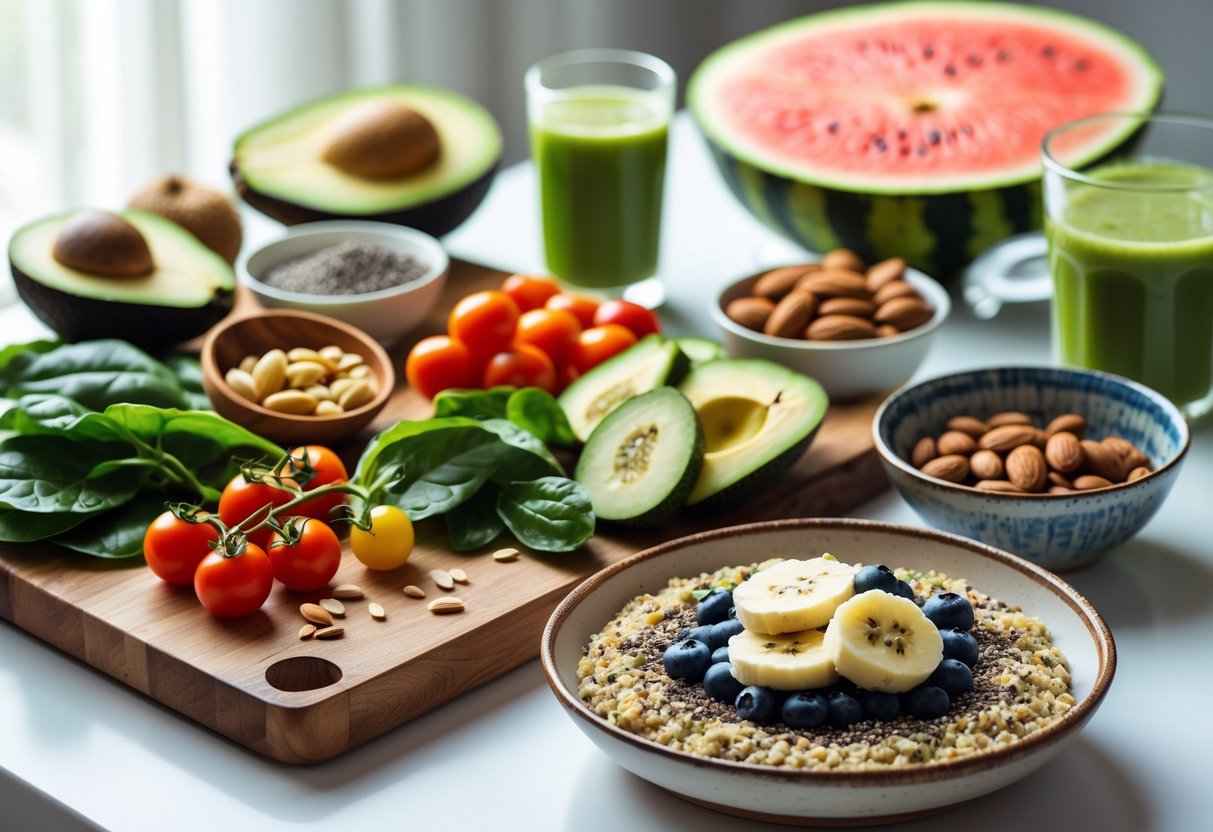
Alkaline breakfasts stay interesting with smart use of herbs and seasoning. Using lemon juice, cilantro, or parsley brightens smoothies and grain dishes. A pinch of sea salt or a drizzle of cold-pressed olive oil can enhance taste while keeping meals healthy.
Those who prefer a creamy texture can replace dairy with almond, hemp, or oat milk. To sweeten naturally, they might use dates, ripe bananas, or a touch of maple syrup instead of refined sugar.
Chopped nuts, chia seeds, or coconut flakes add crunch and extra nutrition. These small changes let each person adjust flavor and texture while maintaining the alkaline balance of the meal.