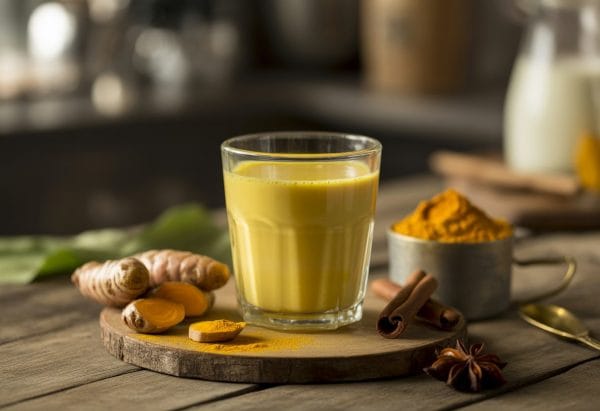
Turmeric Milk Benefits: Health Advantages of Golden Milk
Table of Contents
When you buy through links on our site, we may earn an affiliate commission at no additional cost to you (learn more)
Turmeric milk, often called “golden milk,” combines warm milk with turmeric and other spices to create a beverage that has been used in traditional wellness practices for centuries.
Turmeric milk may support your immune system, reduce inflammation in your body, and improve your sleep quality when consumed regularly. These benefits come primarily from curcumin, the active compound in turmeric that gives the spice its distinctive color and properties.
Understanding how turmeric milk works, what nutrients it contains, and how to safely incorporate it into your routine can help you decide if this traditional drink belongs in your daily habits.
Key Health Benefits of Turmeric Milk
Turmeric milk delivers concentrated curcumin compounds that reduce inflammation markers, strengthen immune defenses, and neutralize harmful free radicals in your body. These benefits stem from turmeric’s active ingredient, curcumin, which becomes more bioavailable when combined with milk’s fats and black pepper.
Anti-Inflammatory Effects
Curcumin in turmeric milk inhibits inflammatory enzymes and cytokines in your body, particularly COX-2 and TNF-alpha. When you consume turmeric milk regularly, you may experience reduced joint pain and stiffness associated with conditions like arthritis.
The anti-inflammatory properties work at the cellular level to block NF-kB, a molecule that activates inflammatory genes. Studies show that curcumin’s effectiveness matches that of some anti-inflammatory medications for managing chronic inflammation.
Your body absorbs curcumin more efficiently when paired with piperine from black pepper, which increases bioavailability by up to 2,000%. The fat content of milk further enhances absorption, as curcumin is fat-soluble.
Immune System Support
Turmeric milk strengthens your immune response by enhancing antibody production and supporting white blood cell function. The curcumin content modulates your immune system, helping it respond appropriately to threats without overreacting.
You gain protection against common infections when drinking turmeric milk because it has antimicrobial properties against bacteria, viruses, and fungi. Your body’s natural killer cells become more active with regular curcumin intake.
The combination of warm milk and turmeric provides additional immune benefits through vitamins and minerals like calcium, vitamin D, and protein. These nutrients work together to maintain your body’s defense mechanisms.
Antioxidant Properties
Curcumin functions as a potent antioxidant that neutralizes free radicals and prevents oxidative damage to your cells. Your body produces fewer reactive oxygen species when you consume turmeric milk regularly.
The antioxidant capacity of curcumin also stimulates your body’s own antioxidant enzymes, including glutathione and superoxide dismutase. This dual action provides comprehensive protection against oxidative stress.
You benefit from reduced cellular aging and DNA damage when antioxidants neutralize unstable molecules. Turmeric’s antioxidant strength measures significantly higher than vitamins C and E in laboratory tests.
Nutritional Value and Consumption Insights
Turmeric milk combines curcumin with fats and other nutrients that affect absorption and efficacy. Preparation methods and timing influence how your body processes these compounds.
Active Compounds in Turmeric Milk
Curcumin serves as the primary bioactive compound in turmeric, typically comprising 2-5% of the spice by weight. A standard teaspoon of turmeric powder contains approximately 200 mg of curcumin.
Your body absorbs curcumin poorly on its own. Black pepper contains piperine, which increases curcumin absorption by up to 2,000%. Most turmeric milk recipes include black pepper for this reason.
The milk fat in your beverage also enhances absorption since curcumin is fat-soluble. Whole milk, coconut milk, or added oils provide the necessary lipids for optimal uptake.
Additional ingredients like honey, cinnamon, or ginger contribute their own nutrients and compounds. Honey adds simple sugars and trace minerals. Cinnamon provides cinnamaldehyde and manganese.
Heat one cup of your preferred milk in a saucepan over medium heat. Add 1/2 to 1 teaspoon of turmeric powder, 1/4 teaspoon of black pepper, and optional sweetener.
Whisk the ingredients together as the milk warms. Avoid boiling, as excessive heat may degrade some beneficial compounds.
Basic Recipe Proportions:
1 cup milk (dairy or plant-based)
1/2-1 tsp turmeric powder
1/4 tsp black pepper
1/2 tsp cinnamon (optional)
Sweetener to taste
You can prepare a paste with turmeric, black pepper, coconut oil, and water to store for future use. Mix 1-2 teaspoons of this paste into warm milk for quicker preparation.
Best Times to Consume
Many people drink turmeric milk before bed due to its warming properties. The beverage may support relaxation, though effects vary by individual.
Consuming turmeric milk with meals that contain fat optimizes absorption. Morning consumption provides benefits throughout your day.
You can drink turmeric milk once or twice daily. Space doses at least 8-12 hours apart if consuming twice daily. Start with smaller amounts to assess your tolerance and gradually increase if desired.
Potential Side Effects and Considerations
Turmeric milk is generally safe for most people, but certain individuals may experience allergic reactions, digestive issues, or complications when taking specific medications. Understanding proper dosage and recognizing potential sensitivities helps you consume turmeric milk safely.
Allergic Reactions and Sensitivities
You may experience allergic reactions to turmeric if you have sensitivities to plants in the ginger family. Common symptoms include skin rashes, hives, or itching after consumption.
Some people develop contact dermatitis when turmeric touches their skin directly. If you notice swelling, difficulty breathing, or severe digestive distress after drinking turmeric milk, you should discontinue use immediately and consult a healthcare provider.
Individuals with gallbladder disease or bile duct obstruction should avoid turmeric milk, as curcumin can stimulate bile production and worsen these conditions.
Interactions With Medications
Turmeric contains compounds that can interact with blood-thinning medications like warfarin, aspirin, and clopidogrel. The curcumin in turmeric has natural anticoagulant properties that may increase your risk of bleeding when combined with these drugs.
If you take diabetes medications, turmeric milk might lower your blood sugar too much, potentially causing hypoglycemia. You should monitor your blood sugar levels closely if you consume turmeric regularly while on diabetes treatment.
Turmeric can also interfere with stomach acid reducers and antacids by increasing stomach acid production. It may reduce the effectiveness of these medications or cause additional digestive discomfort.
Always inform your doctor about your turmeric milk consumption before surgery, as it should typically be discontinued at least two weeks prior to any procedure.
Recommended Dosage and Safety
A typical serving of turmeric milk contains 1/2 to 1 teaspoon of turmeric powder, which provides approximately 200-500 mg of curcumin. This amount is considered safe for daily consumption by most adults.
You should limit your intake to no more than 2-3 cups of turmeric milk per day. Excessive consumption beyond 8 grams of turmeric daily may cause digestive problems, headaches, or nausea.
Pregnant and breastfeeding women should limit turmeric to culinary amounts found in food rather than medicinal doses. High doses during pregnancy may stimulate the uterus or promote menstrual flow.
Adding black pepper to your turmeric milk increases curcumin absorption by up to 2,000%. Start with smaller amounts and gradually increase to assess your tolerance.