When you buy through links on our site, we may earn an affiliate commission at no additional cost to you (learn more)
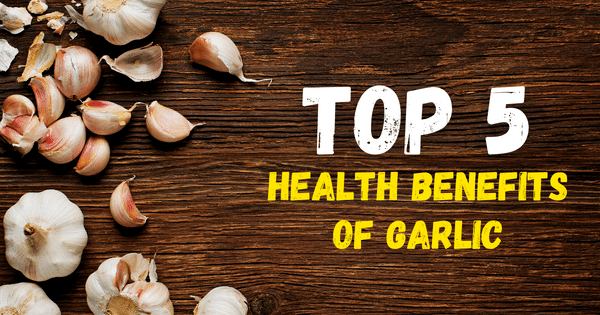
If youre looking for a simple, low-cost food that adds flavor and may support health, garlic is a smart choice. Used for centuries in cooking and traditional medicine, garlic contains plant compounds that studies suggest influence infection, heart health, and inflammation.
Introduction to Garlic
Garlic is the bulb of Allium sativum and contains sulfur-containing compounds, most notably allicin. Allicin forms when garlic is crushed or chopped and is known for properties such as antimicrobial and antioxidant activity. Explained simply, allicin is a chemical the plant makes when its cells are damaged; it helps defend the plant and can affect microbes and inflammation in people.
Beyond allicin, garlic also supplies small amounts of vitamins and minerals including vitamin B6, vitamin C, manganese, and selenium. These nutrients add to garlics overall nutritional value while keeping calories very low.
Top 5 Benefits
1. Antimicrobial protection
Garlic has long been used to help fight infections. Laboratory studies and some human research suggest allicin and related compounds can inhibit bacteria, viruses, fungi, and certain parasites. This does not mean garlic replaces antibiotics, but it may offer mild supportive effects for everyday infections such as colds and minor bacterial illnesses.
How it works: allicin disrupts microbe cell processes and can reduce growth. Studies suggest garlic extracts can reduce the growth of common pathogens in test-tube and animal models, and small clinical trials show modest benefits for respiratory infections.
2. Blood pressure and cholesterol support
Several trials indicate garlic can lower systolic and diastolic blood pressure in people with hypertension. The effect is usually modest and appears after several weeks of consistent use. Garlic may also reduce total and LDL cholesterol, again with small-to-moderate effects in trials.
Why it matters: lower blood pressure and improved cholesterol profiles reduce long-term risk for heart disease and stroke. Garlic is an adjunct to healthy diet and lifestyle, not a replacement for prescribed medication when needed.
3. Reduced risk factors for heart disease
Beyond BP and cholesterol, garlic may reduce arterial stiffness and platelet aggregation, two factors linked with cardiovascular events. Its antioxidant compounds can protect blood vessel linings from oxidative stress, which is a contributor to atherosclerosis.
4. Associations with lower cancer risk
Observational studies suggest higher intake of raw or cooked garlic correlates with lower risk of certain cancers, including stomach and colorectal cancers, and some reports link raw garlic to reduced lung cancer risk. These are associations, so they do not prove cause and effect. Still, compounds in garlic have been shown in lab studies to limit cancer cell growth and reduce inflammation, which may help explain the epidemiological findings.
5. Nutrient-dense with low calories
Garlic is low in calories but contains useful micronutrients. One clove provides vitamin B6, vitamin C, manganese, and trace minerals. Regularly adding garlic to meals is an easy way to boost flavor and micronutrient variety without adding many calories.
Practical Ways to Use Garlic
To get the most allicin, crush or chop fresh garlic and allow it to sit for 5 to 10 minutes before cooking. Heat reduces allicin, so when possible add crushed garlic near the end of cooking to preserve some of its active compounds.
Raw: add to dressings, salsas, or dips for stronger effects.
Lightly cooked: add near the end of saute9ing to retain flavor and some active compounds.
Garlic powder or aged garlic extract: convenient if fresh garlic causes digestive upset, though effects may differ from fresh garlic.
Typical amounts used in studies vary. Food amounts of one to three cloves daily are common in observational research. Standardized garlic supplements (aged garlic extract or garlic oil) follow product dosing instructions. Speak with your healthcare provider before using supplements as therapy.
Safety Precautions
Garlic is safe for most people when eaten as food. However, there are important cautions to know.
Blood thinning: garlic can increase bleeding risk, especially in large amounts or with supplements. Avoid high-dose garlic supplements before surgery and tell your provider if you take blood thinners.
Digestive upset: raw garlic can cause heartburn, gas, or nausea in some people. Cooked garlic is often easier to tolerate.
Allergy: a small number of people have garlic allergy, which can cause skin or respiratory symptoms.
Medication interactions: garlic supplements can interact with certain drugs, including anticoagulants and some HIV medications. Check with a clinician if you take prescription medicines.
Quick Tips
Crush garlic and wait 510 minutes before heating to maximize allicin formation.
Add minced garlic late in cooking to preserve flavor and some active compounds.
Start with small amounts if you have a sensitive stomach.
Keep the original video below for further listening. It provides a concise overview but avoid relying on any single source for medical decisions.
Conclusion
Garlic is a flavorful, nutrient-light food with compounds that studies suggest can support antimicrobial defense, lower blood pressure and cholesterol modestly, and contribute to lower risk factors for heart disease and some cancers. It is best used as part of an overall healthy diet and lifestyle. For therapeutic use or high-dose supplements, seek advice from a healthcare professional to avoid interactions and side effects.